
Democrats Target Elon Musk After Election Victory

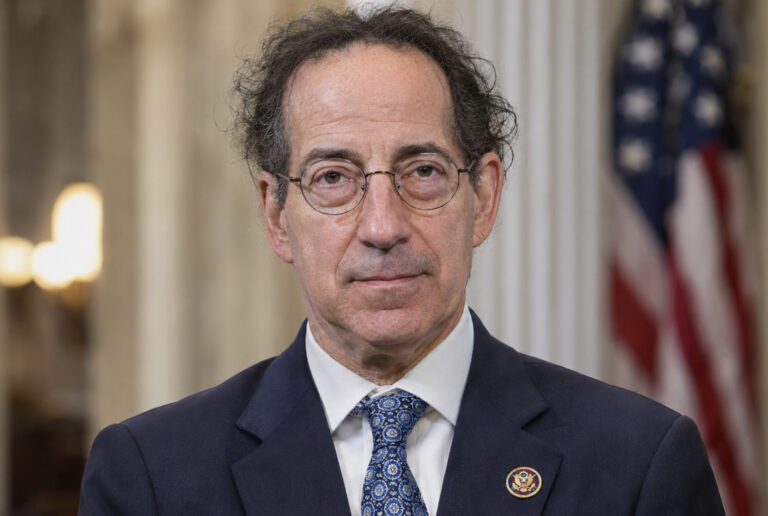
Democrats preparing to assume control of congressional committees have identified Elon Musk and the former Department of Government Efficiency as early targets for oversight. Rep. Jamie Raskin stated that at least one committee is likely to examine DOGE’s actions, describing the effort as a catastrophe for the country.
Musk led the initiative during its active phase before departing the administration. The group pursued workforce reductions, contract cancellations, and other measures aimed at lowering federal spending. Estimates of the personnel reductions have varied, with some figures placing the total near a quarter-million positions.
No single professional-outlet YouTube video provided sufficiently direct and current coverage to embed here.
Raskin told reporters he had no pre-written list of investigations but expected DOGE to draw scrutiny. Illinois Governor JB Pritzker also indicated support for examining what the initiative did while drawing a distinction on whether Musk personally should be the primary focus. The comments reflect a broader discussion among Democrats about how to allocate limited investigative resources.
DOGE’s work included access to certain agency data systems and the termination of various programs. Critics have raised questions about the scope of that access and the process used to identify cuts. Supporters have argued that the effort exposed waste that had accumulated over years.
Musk has previously responded to talk of investigations by stating that those who initiate conflicts should expect responses in kind. He has noted the volume of political spending he directed toward Republican candidates during the midterm cycle. Those contributions made him one of the largest individual donors in the cycle.
Incoming Democratic committee chairs have not yet published formal agendas. Several have signaled that oversight of the prior administration’s domestic policy actions will rank high once the new Congress organizes. DOGE sits among a longer list of potential subjects that also includes spending decisions and personnel practices.
The midterm results gave Democrats majorities in both the House and Senate. That shift provides subpoena power that was unavailable while Republicans held the chambers. Lawmakers have said they intend to use the authority to examine actions taken between early 2025 and the present.
Musk’s companies hold substantial federal contracts in areas such as space launch and satellite communications. Those relationships have drawn separate questions about potential conflicts during the period he worked inside the administration. Democratic members have indicated those contracts may also receive attention.
The Department of Government Efficiency operated for a limited window. Musk has described the results as only partially successful and has said that, in hindsight, he might have focused more on his private companies. The statement has been cited by both critics and defenders of the effort.
Workforce reductions occurred through a combination of firings, voluntary separations, and early retirements. Agencies reported varying impacts on service delivery. Some programs were consolidated or transferred rather than eliminated entirely.
Democrats have also discussed restoring certain funding streams that were reduced or paused. Medicaid and other domestic accounts have been mentioned in that context. The investigative focus and the policy restoration focus are expected to run in parallel once committees begin work.
Pritzker’s comments suggested a preference for examining institutional actions over personal targeting in some cases. Other Democrats have been more direct in naming Musk. The range of views indicates that the precise scope of any hearings remains under discussion.
Musk has continued to comment publicly on government efficiency and political developments. His posts have addressed both the midterm outcomes and the prospect of congressional scrutiny. Those statements have kept the topic visible in the days since the election.
The new Congress will not formally organize until January. In the interim, staff-level planning for potential inquiries is already underway in Democratic offices. The volume of topics under consideration means DOGE will compete with other priorities for early attention.
Committee chairs will ultimately decide the order and depth of any examinations. Public hearings, document requests, and witness appearances are all possible tools. The process will unfold over months rather than weeks once it begins.
Join the Conversation
Keep Reading

Armed Man Arrested Near White House After Trump Threat

Trump Names New Chief of Staff

ICE Launches Major Operation in NYC
Kamala Harris Issues Chilling Demand
Major Democrat DEAD at 89

Meghan Markle’s Father ARRESTED

Top Trump Official Faces Impeachment
Share your perspective and reply to other readers.
Free account required. You will stay on this page.