
Major Democrat DEAD at 89
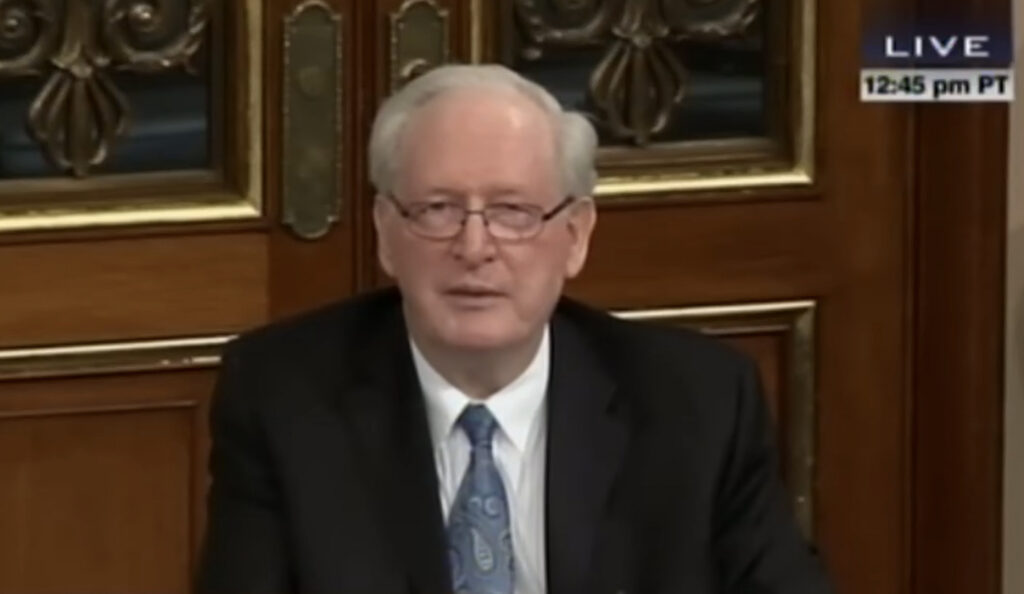
John D. “Jay” Rockefeller IV, the former governor of West Virginia and five-term U.S. senator, died at the age of 89. He passed away at his home in Washington. No cause was immediately released by the family.
Rockefeller was the great-grandson of Standard Oil founder John D. Rockefeller and the last member of the family’s political dynasty to hold major office. Unlike most of his relatives, he was a Democrat. He moved to West Virginia in the 1960s to work in an anti-poverty program and remained there for the rest of his career.
He served two terms as governor before winning election to the Senate in 1984. Over three decades he focused on health care access, children’s insurance, tax policy, and national security issues. He chaired the Commerce, Science, and Transportation Committee and the Veterans’ Affairs Committee during portions of his tenure.
Rockefeller was a lead author of the Children’s Health Insurance Program, which expanded coverage for low-income children. He also supported the 2010 health care law. Colleagues from both parties described him as a consistent advocate for the state’s rural and working-class residents.
West Virginia Senator Shelley Moore Capito, a Republican, called him a true gentleman who treated her with respect across party lines. Former Senator Joe Manchin, who succeeded him, referred to Rockefeller as a mentor who helped him learn the Senate. Other West Virginia figures issued similar statements.
Rockefeller retired in 2015 after deciding not to seek a sixth term. At the time he said he could not imagine a more rewarding career. He had spent roughly fifty years in public service in one of the nation’s poorest states after arriving as a young volunteer.
He was born in New York City in 1937, weeks after the death of his great-grandfather. His father was a noted philanthropist. Uncles included Republican governors of New York and Arkansas. Rockefeller chose a different political path after his early years in West Virginia.
During his Senate years he also worked on issues affecting the coal industry and veterans. He maintained a relatively low public profile compared with some contemporaries while focusing on committee work. Staff members and colleagues noted his attention to detail on complex legislation.
Rockefeller is survived by his wife, Sharon Percy Rockefeller, who has long been involved with public broadcasting. They have four children and nine grandchildren. The family has not yet announced funeral arrangements.
His death removes one of the last links to an earlier generation of Senate Democrats who prioritized health policy and rural development. The Children’s Health Insurance Program remains one of the more durable results of that period. Later expansions built on the framework he helped establish.
West Virginia’s political landscape shifted during and after his time in office. The state moved from competitive to reliably Republican in federal races. Rockefeller’s personal popularity in the state endured longer than the broader party trend.
He served on the Finance Committee for much of his career and participated in major tax debates. Those roles gave him influence over both spending and revenue measures that affected his constituents. The combination of committee assignments shaped much of his legislative record.
Rockefeller also engaged with intelligence and national security matters later in his tenure. He offered public criticism of certain foreign policy decisions during the George W. Bush administration. Those statements were consistent with his overall approach of detailed oversight.
The family has requested privacy in the immediate aftermath of the announcement. Public tributes have focused on his decades of service and his decision to build a career far from the circumstances of his birth. The contrast between his background and his adopted state remained a defining element of his biography.
Rockefeller’s papers and records from his time in office are expected to be preserved through existing archival arrangements. Researchers interested in health policy and Appalachian politics will likely continue to consult them. The practical work of those collections will proceed on its own timeline.
The news of his death arrived during a week already filled with political developments. Coverage has treated the passing as a separate story focused on a long public career rather than on current legislative battles. Obituaries have emphasized the span of service from the 1960s through 2015.
Join the Conversation
Keep Reading

Armed Man Arrested Near White House After Trump Threat
Trump Names New Chief of Staff


ICE Launches Major Operation in NYC
Kamala Harris Issues Chilling Demand

Meghan Markle’s Father ARRESTED
Top Trump Official Faces Impeachment
Share your perspective and reply to other readers.
Free account required. You will stay on this page.