Democrats Reveal Who They Are Going After First
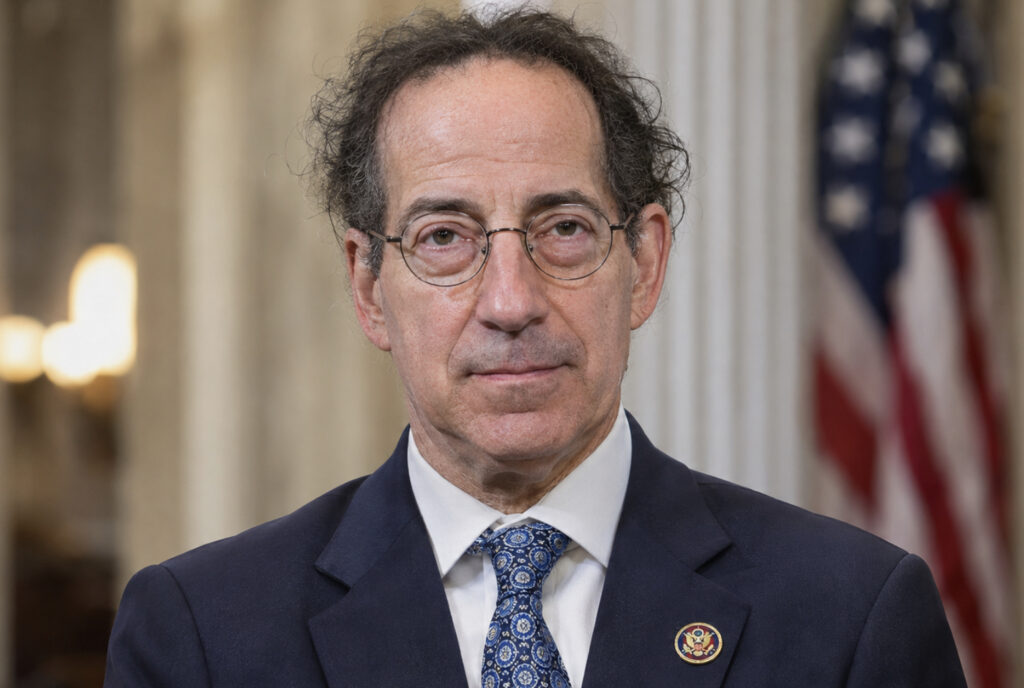
Rep. Jamie Raskin is preparing a sweeping series of congressional investigations targeting private businesses, major law firms, and organizations that reached agreements with President Donald Trump’s administration. The Maryland Democrat, who is positioned to become chairman of the powerful House Judiciary Committee in January, has made clear that companies cooperating with the White House could face subpoenas, demands for internal documents, and testimony before Congress.
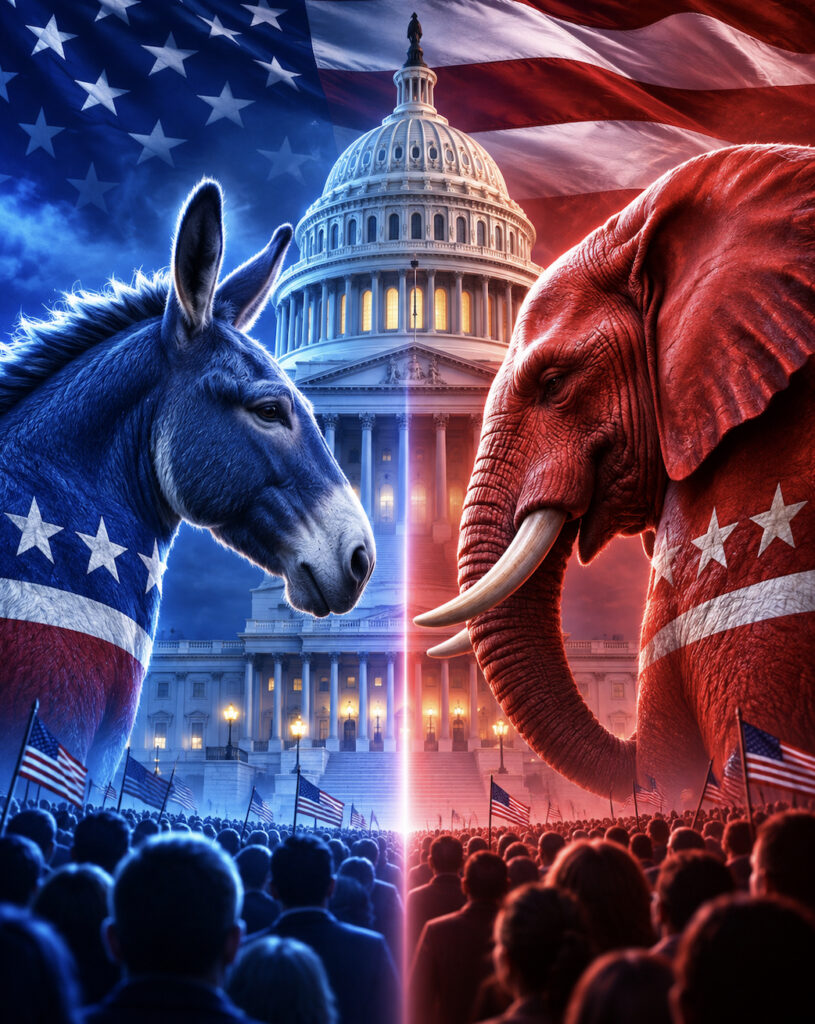
The announcement comes just days after Democrats secured control of the House of Representatives in the 2026 midterm elections, giving the party new investigative authority over the Trump administration and its relationships with the private sector. Raskin’s plans represent a significant escalation from the oversight efforts Democrats pursued while Republicans controlled the chamber. Once Democrats assume the majority, the Judiciary Committee will have substantially greater authority to compel cooperation from businesses, attorneys, and administration officials who previously declined voluntary requests for information.
- 🔥 Top Story: Ilhan Omar Sends Chilling Arabic Message
- Most Viewed: Elon Musk Turns Heads With Election Response
- Most Commented: Dems Reveal Their First Act in Power
- New Photos: Conservative CHICK of the Day
Raskin has indicated that his investigations will extend beyond traditional government oversight to examine private corporations and law firms that he believes assisted the administration in carrying out improper policies. The approach could place some of the nation’s most prominent legal institutions under congressional scrutiny, particularly those that negotiated agreements with the White House rather than pursuing prolonged legal battles. Critics of such investigations may question whether congressional oversight is being used to pressure private organizations over their political or business decisions, while Raskin maintains that examining potentially unlawful conduct is a legitimate responsibility of Congress.
The controversy centers partly on agreements reached between the Trump administration and several major law firms following executive orders that threatened federal contracts, security clearances, and access to government facilities. Some firms challenged the orders in federal court, while others negotiated settlements that included commitments to provide substantial amounts of free legal services and modifications to certain internal diversity policies. Collectively, nine firms reportedly pledged approximately $940 million in pro bono legal work under the arrangements, making the agreements a major point of contention between the administration and congressional Democrats.
The prospective investigations could have consequences extending throughout Washington’s legal and corporate communities. Congressional subpoenas can require organizations to produce records and provide testimony, potentially exposing communications concerning negotiations with federal officials. Although the precise scope of Raskin’s planned inquiries remains to be determined, his statements suggest that Democrats intend to closely examine how the agreements were reached, what concessions were offered, and whether any improper government pressure influenced the decisions of private companies.
Speaking after the election, Raskin emphasized that Democrats intend to use their newly acquired congressional authority to investigate organizations they believe cooperated in unlawful administration activities. He warned that the party would not hesitate to pursue private corporations, declaring, “We’ve done it before, and we will absolutely do it again.”
Among the firms attracting particular attention is Paul, Weiss, Rifkind, Wharton & Garrison, commonly known as Paul Weiss. The prominent law firm negotiated an agreement with the Trump administration after facing an executive order that threatened significant restrictions on its operations and relationships with the federal government.
Raskin criticized Paul Weiss and other firms that accepted negotiated terms rather than challenging the administration in court. He contrasted those decisions with the actions of firms that resisted the executive orders, arguing that major legal institutions have a responsibility to defend the rule of law when confronted with what he considers improper government pressure.
The dispute highlights the difficult position faced by law firms whose clients depend on access to federal agencies and government contracts. Firms that negotiated agreements could argue that their decisions protected employees, clients, and ongoing business operations. Raskin, however, has suggested that such considerations do not eliminate questions about whether the agreements facilitated improper administration conduct.
House Judiciary Committee Democrats had already begun examining the issue before the midterm elections. While serving in the minority, lawmakers sent letters seeking information from several prominent firms, including Kirkland & Ellis and Skadden, Arps, Slate, Meagher & Flom. Those requests sought greater transparency surrounding the agreements and the circumstances under which they were negotiated.
The distinction between minority and majority control is particularly important for the committee’s investigative authority. During Republican control of the House, Democrats generally lacked the ability to independently compel compliance with their document requests. With the committee chairmanship changing hands, Raskin will be positioned to pursue compulsory subpoenas, subject to applicable House rules and legal requirements.
A congressional subpoena carries legal obligations, although recipients retain the ability to challenge demands they believe are improper or exceed congressional authority. Disputes over subpoena enforcement can result in negotiations, court proceedings, and potentially lengthy legal battles. As a result, the anticipated investigations could generate significant confrontation between Democratic lawmakers and the organizations they seek to question.
Raskin’s oversight plans also extend directly to the Justice Department and Attorney General Todd Blanche, who previously served as Trump’s personal attorney. The Maryland Democrat has repeatedly accused Blanche of allowing the department to advance the president’s personal and political interests rather than maintaining the independence traditionally expected of federal law enforcement.
Democratic lawmakers have raised concerns about the Justice Department’s handling of politically sensitive investigations, settlements, and decisions involving individuals associated with the president. Raskin has pursued information about several such matters, arguing that congressional scrutiny is necessary to determine whether federal authority has been used appropriately. The administration and its supporters have disputed accusations that its enforcement priorities are unlawful or politically improper.
The possibility of impeachment proceedings has also emerged as Democrats prepare to regain control of the House. Raskin, who served as lead impeachment manager during Trump’s second impeachment trial in 2021, has refused to rule out using the constitutional process against the president or senior administration officials if lawmakers determine that the circumstances warrant such action.
Discussing that possibility, Raskin stated, “We’re not afraid to impeach Donald Trump,” pointing to the two impeachment proceedings brought against the president during his first term. He further emphasized, “Impeachment is not a taboo with us. It is a tool in the toolbox.” His comments demonstrate that Democratic leaders are considering a range of oversight and accountability measures, although no new impeachment of Trump has been approved.
Any impeachment effort would face substantial political and constitutional hurdles. The House can approve articles of impeachment by a simple majority, but removing a president or other federal official requires conviction by a two-thirds majority of senators present. Consequently, even with Democratic control of Congress, the outcome of impeachment proceedings would depend on the specific allegations, the evidence presented, and the willingness of senators to support conviction.
For now, Raskin’s statements signal that Democrats intend to make aggressive congressional oversight a central feature of their return to power in January. From major law firms and private corporations to the Justice Department and senior White House officials, the incoming Judiciary Committee chairman is preparing to examine a broad range of relationships and decisions associated with the Trump administration. Whether those investigations uncover misconduct, result in legislative changes, or develop into prolonged political confrontations will become clearer when the new Congress convenes.
Join the Conversation
Keep Reading

Meghan Markle’s Father ARRESTED
Top Trump Official Faces Impeachment

Top Democrat Faces Revolt From Own Party
Dems Reveal Their First Act in Power — It’s BAD

JD Vance Makes Major Political Move


Country Music Star Dead at 35


Stock Market Takes New Turn After Decisive Midterm

Share your perspective and reply to other readers.
Free account required. You will stay on this page.