
President Trump Sounds Alarm on Election Scandal
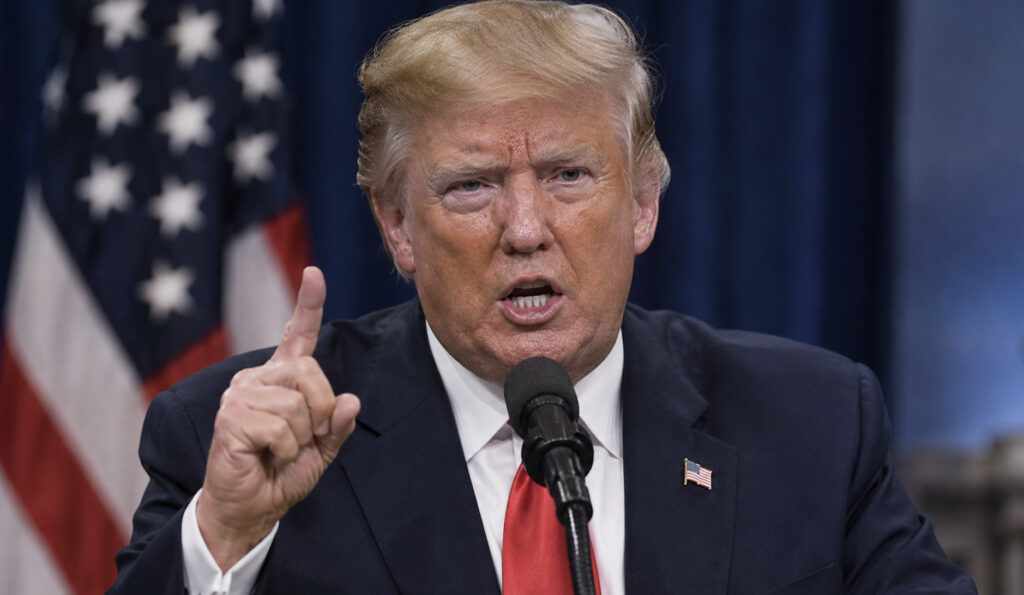
President Donald Trump raised serious concerns about a controversy surrounding Alaska’s U.S. Senate election on Tuesday, accusing Democrats of attempting to manipulate voters through the candidacy of a man whose name closely resembles that of the Republican incumbent. The dispute has attracted national attention as Americans head to the polls in an election that could determine which party controls Congress.
- 🔥 Top Story: Election Day Poll Reveals Stunning Lead
- Most Viewed: Dead People Found on Voter Rolls
- Most Commented: Top Democrat Betrays Own Party Before Midterms
During an Election Day appearance on Fox News, Trump condemned the circumstances surrounding independent candidate Daniel J. Sullivan Jr., whose name is remarkably similar to that of Republican Sen. Dan S. Sullivan. The president argued that the candidacy was designed to confuse voters and potentially draw support away from the incumbent in a closely watched Senate contest.
Trump characterized the situation as deliberate election interference, calling it “a total fraud.” His accusations followed reporting that Democratic operatives had explored recruiting the similarly named candidate to participate in the race. However, the president’s allegations of criminal wrongdoing have not been established by a court, and the candidate’s participation does not itself demonstrate an election-law violation.
The controversy centers on Alaska’s competitive Senate race between Sullivan and former Democratic Rep. Mary Peltola. Republicans are seeking to defend the seat as Democrats attempt to gain enough victories nationwide to capture control of the Senate. With the chamber’s balance of power at stake, even relatively small shifts in voter support could influence the outcome.
According to reporting highlighted by Fox News, the controversy intensified after a New York Times investigation described efforts by individuals associated with Democrats to recruit Daniel J. Sullivan Jr. as an independent candidate.
The similarity between the candidates’ names has raised questions about whether some voters might mistakenly select the independent candidate when intending to support the Republican senator.
Alaska’s ranked-choice voting system adds another dimension to the dispute. Rather than selecting only one candidate, voters can rank multiple candidates according to their preferences.
If no candidate receives a majority of first-choice votes, the last-place candidate is eliminated and eligible ballots are transferred according to voters’ subsequent rankings. The process continues until a candidate secures a majority of the remaining votes.
Supporters of ranked-choice voting argue that the system gives voters greater flexibility and reduces the influence of candidates who attract only limited support. Critics contend that the additional complexity can create confusion, particularly when candidates have similar names.
In Alaska, the inclusion of two candidates named Sullivan has become a central point of controversy because one is the incumbent Republican senator and the other is an independent challenger.
Trump argued that the situation reflects broader problems with Democratic election strategies. He also used his Fox News appearance to criticize Democratic immigration policies, connecting those concerns to his longstanding warnings about election integrity.
Those broader allegations remain separate from the specific dispute in Alaska. Claims involving noncitizen voting, voter registration practices and candidate recruitment require distinct evidence and should not be treated as proof of one another.
The controversy has already influenced at least one voter’s publicly stated decision. Fox News interviewed an Alaska resident who said he had considered supporting Peltola before learning more about the independent candidate’s entry into the race.
The voter described the reported recruitment effort as “so sleazy” and said the controversy persuaded him to support the Republican incumbent instead.
That reaction illustrates how an election strategy intended to affect one candidate’s support could potentially produce the opposite result if voters view the circumstances as deceptive.
Alaska has become an increasingly important political battleground in recent years. Its statewide elections have demonstrated that Republican advantages do not necessarily guarantee victory, particularly when independent voters and ranked-choice preferences influence the final count.
The broader stakes extend beyond Alaska. Republicans entered Election Day defending their congressional majorities, while Democrats targeted several competitive Senate seats in hopes of changing the balance of power in Washington.
As voting continues, the Alaska controversy underscores the importance of clear ballot information and public confidence in election procedures. Whether the similarly named independent candidate ultimately affects the result remains uncertain, but the dispute has become another flashpoint in an intensely contested midterm election.
Join the Conversation
Keep Reading

Nearly 10,000 Dead People Found on Active Registered Voter Rolls
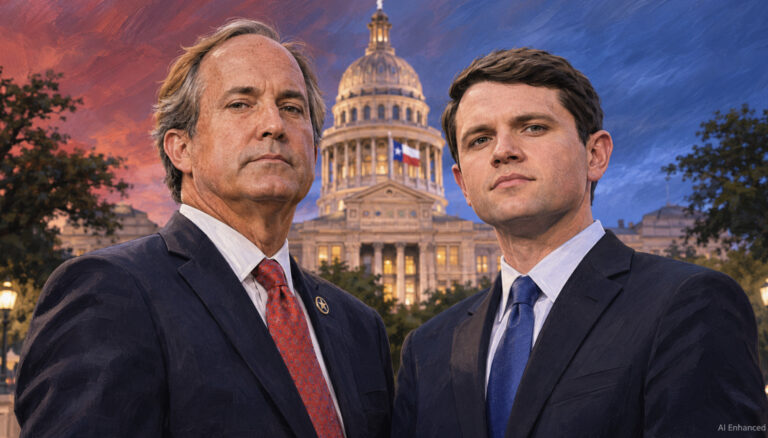
New Poll Stuns Democrats: Paxton Holds Narrow Edge Over Talarico

Top Democrat Turns on Own Party Just Before Midterm Elections
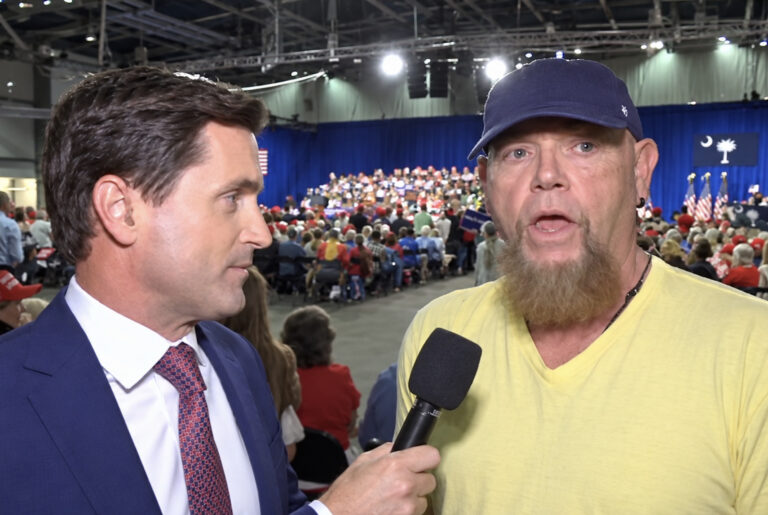
Anti-Trump Plant Allegedly Threatens Mass Violence
Democrat Arrested 12 Days Before Midterms




Share your perspective and reply to other readers.
Free account required. You will stay on this page.