
Trump Names New Chief of Staff
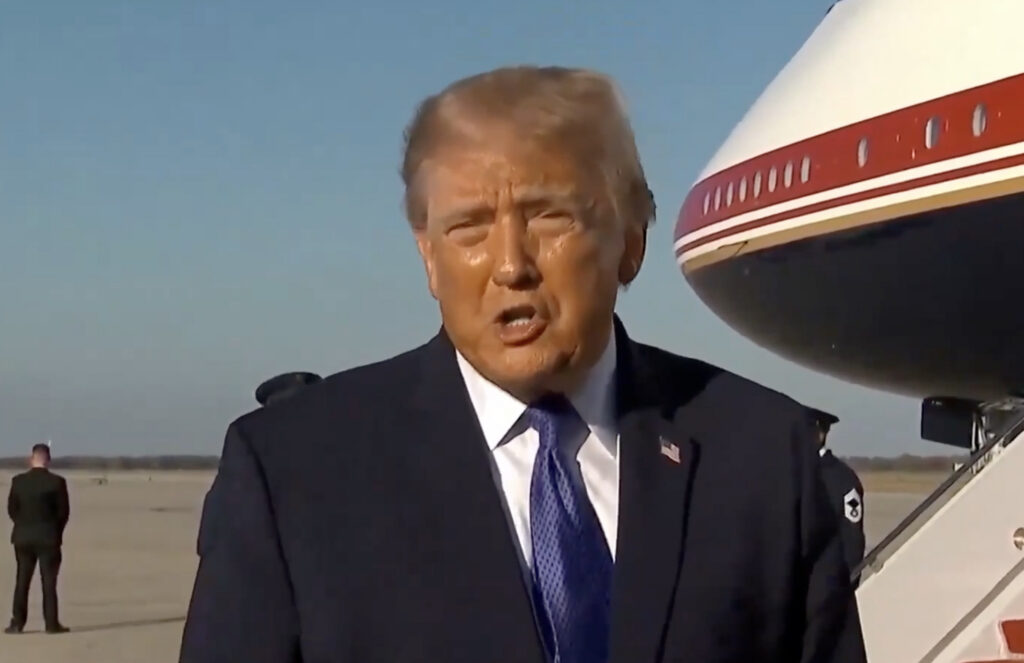
President Donald Trump announced that longtime aide Stephen Miller will replace Susie Wiles as White House chief of staff, effective Monday. The change follows significant Republican losses in the midterm elections and comes as the administration prepares to confront Democratic majorities in both chambers of Congress.
Trump described Miller as one of his most trusted advisors and said Wiles had done an outstanding job before moving to the political operation. Miller, previously deputy chief of staff, has been central to the administration’s immigration enforcement efforts and broader domestic policy agenda.
Miller addressed supporters at Mar-a-Lago shortly after the announcement. He pledged absolute loyalty to the president and stated that the country would not exist in its current form without Trump’s leadership. The remarks emphasized continuity on core priorities.
The elevation of Miller signals an intent to maintain aggressive use of executive authority. Allies noted that he has helped identify actions that do not require new legislation on issues ranging from immigration to federal spending. Democrats have already signaled plans for extensive oversight.
Miller first joined Trump’s orbit during the 2016 campaign as a speechwriter. He has remained one of the longest-serving figures in the president’s inner circle across both terms. His portfolio expanded significantly after Trump returned to office in 2025.
Wiles, the first woman to hold the chief of staff role, submitted her resignation Thursday evening. Trump publicly thanked her for her service while confirming the transition. The timing places the staff change just days after the midterm results became clear.
Republican lawmakers and outside observers offered mixed reactions. Some viewed the move as a logical reinforcement of existing policy direction. Others questioned whether the hardline approach contributed to losses in key states.
Democratic members of Congress described the appointment as a further shift toward confrontation. One lawmaker stated that the selection moved the administration from a difficult position to something considerably more challenging for bipartisan negotiation. Immigration legislation is among the areas expected to face additional obstacles.
Miller’s influence has extended beyond immigration. He has worked alongside other senior officials on identifying executive measures related to tariffs, housing, and agency operations. The planning has been underway for months as the midterms approached.
The White House has indicated that further personnel adjustments remain possible. Trump has suggested he may make additional changes in the weeks ahead. The chief of staff transition is the most prominent step so far.
Public statements from Miller have consistently framed the administration’s actions as essential to national security and border integrity. He has argued that reversing large-scale migration represents a defining challenge of the moment. Supporters echo that assessment.
Critics point to polling data showing erosion among certain voter groups after sustained enforcement campaigns. Latino voters in particular shifted in several states during the midterms. The appointment is likely to keep those debates active.
Miller is scheduled to assume the full chief of staff responsibilities on Monday. Until then, transition planning continues inside the West Wing. Wiles is expected to focus on political operations outside the formal White House structure.
The decision arrives at a moment when executive tools may become more central to advancing the agenda. With divided government approaching, the ability to act without new statutes takes on added importance. Miller’s background positions him to manage that environment.
Observers will watch how the new structure handles incoming congressional requests for information. Subpoenas and hearings are widely anticipated once the new Congress convenes. The staff change sets an early tone for those interactions.
The full implications will become clearer once the new Congress is seated in January. Until then, the administration continues operating under current leadership while preparing for the transition. Miller’s first days in the role will draw close attention.
Join the Conversation
Keep Reading

Armed Man Arrested Near White House After Trump Threat




ICE Launches Major Operation in NYC
Kamala Harris Issues Chilling Demand
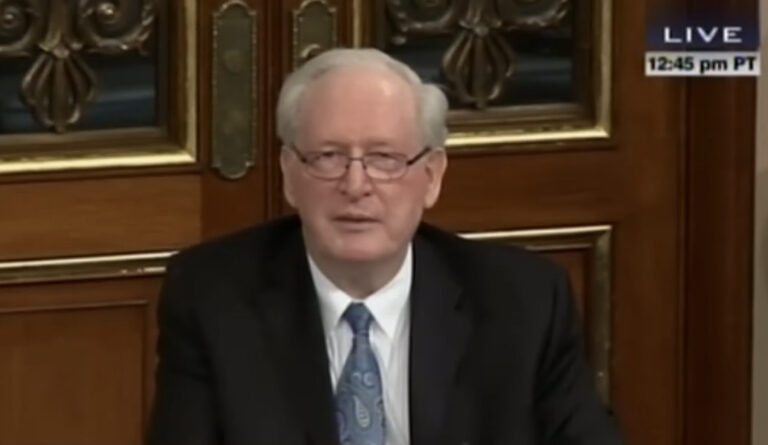
Major Democrat DEAD at 89

Meghan Markle’s Father ARRESTED
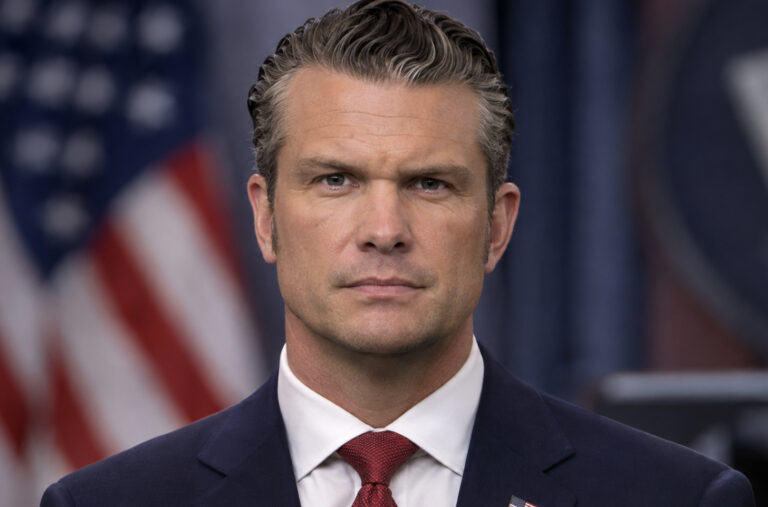
Top Trump Official Faces Impeachment
Share your perspective and reply to other readers.
Free account required. You will stay on this page.