‘Woke’ Nike Hit with Islamic Fatwa
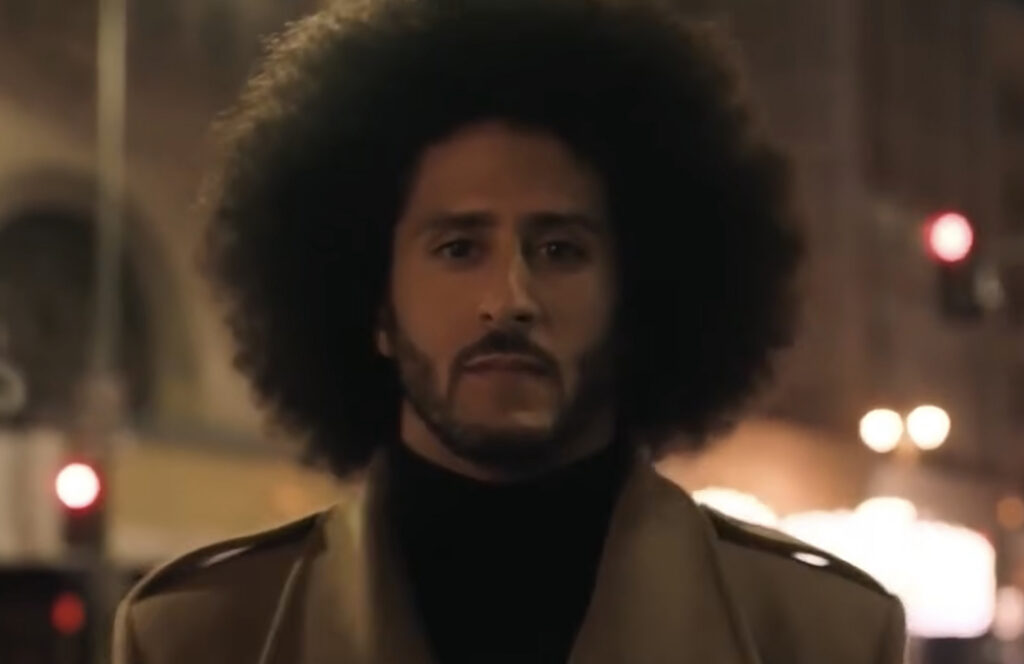
Libya’s supreme Islamic authority has banned Muslims from wearing Nike products because the brand name derives from an ancient Greek goddess and its swoosh logo was inspired by her wings.
The fatwa from the Tripoli-based Dar al-Ifta takes effect immediately after approval by Grand Mufti Sadiq al-Gharyani.
- 🔥 Top Story: Major Democrat DEAD at 89
- Most Viewed: Trump Names New Chief of Staff
- Most Commented: Kamala Harris Issues Chilling Demand
- New Photos: ‘Pretty Republican’ of the Day
The objection centers on the history of the brand name and imagery rather than on any change to the physical design of Nike’s products. The name Nike comes from the figure associated with victory in ancient Greek mythology.
The ruling holds that displaying the logo promotes symbols associated with polytheism, the worship of more than one god.
Islam recognizes only one supreme God, Allah, and rejects polytheism.
Religious authorities can issue interpretations of whether particular symbols, products or practices are compatible with Islamic teaching. The reach and practical effect of an opinion can vary by country, institution and community.
The statement references a prior 2023 ruling from the Council for Research and Sharia Studies urging a boycott of Western companies viewed as supportive of Israel during the Gaza conflict.
Polytheism is a major theological distinction in the ruling as described. The authority argues that using or displaying imagery connected to an ancient deity conflicts with its interpretation of monotheistic practice.
A fatwa is a religious opinion on a matter of Islamic law.
This is not the first such ruling from the body.
The earlier boycott guidance concerned corporate conduct and the conflict in Gaza, while the latest objection concerns the perceived religious meaning of a name and logo. Those are different rationales, even though both address consumer choices.
In 2025, Dar al-Ifta banned jewelry and watches bearing the Van Cleef & Arpels logo, arguing its four-leaf clover design linked to Christian beliefs and good-luck practices contrary to Islamic teachings.
Nike and Adidas remain popular across North Africa, though counterfeit versions are common in local markets.
A company’s historical references and the way consumers understand its branding are not always the same. Many buyers encounter the swoosh simply as an athletic-apparel trademark without attaching religious meaning to it.
Nike, headquartered near Beaverton, Oregon, is the world’s largest supplier of athletic shoes and apparel but has faced global sales challenges.
The decision may also prompt questions for retailers and consumers who own the products already. The supplied account does not establish how local authorities intend to enforce or monitor compliance with the opinion.
One of the most notorious fatwas targeted British author Salman Rushdie in 1989; he went into hiding, and an attacker later cited the decree in a 2022 assault.
The broader dispute illustrates how global consumer brands can become subjects of local religious and cultural debate. A symbol familiar in one market can be interpreted very differently in another.
Join the Conversation
Keep Reading

Armed Man Arrested Near White House After Trump Threat



Trump Names New Chief of Staff


ICE Launches Major Operation in NYC

Kamala Harris Issues Chilling Demand

Major Democrat DEAD at 89
Meghan Markle’s Father ARRESTED
Top Trump Official Faces Impeachment
Share your perspective and reply to other readers.
Free account required. You will stay on this page.