
Alaska Senate race separated by just hundreds of votes as ‘Decoy Dan’ draws 3,583
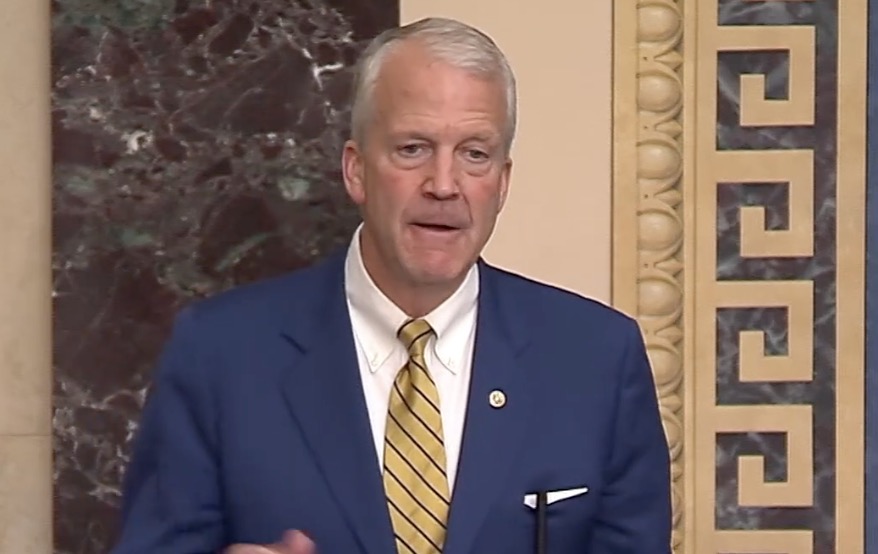
The Alaska U.S. Senate race between Republican incumbent Dan S. Sullivan and Democratic former congresswoman Mary Peltola remained too close to call after polls closed nationwide. Fox News Decision Desk reported that it was too early to project a winner in the contest.
The ballot also included Dan J. Sullivan, an undeclared candidate referred to as “Decoy Dan.” Early returns showed the two leading candidates separated by a narrow margin while the undeclared Sullivan drew thousands of votes.
With most precincts reporting, Peltola held a slight edge in one set of figures, though the margin stayed within hundreds of votes. The undeclared candidate’s total exceeded 3,500, enough to influence the final certified outcome in a tight contest.
The presence of two candidates with nearly identical names had drawn scrutiny before Election Day. Reporting indicated that Democratic operatives and aides connected to Peltola’s campaign worked to recruit a candidate sharing the Republican incumbent’s name, raising questions about voter confusion.
The Justice Department opened an investigation into the matter. Alaska U.S. Attorney Michael Heyman stated that authorities were examining whether the undeclared candidate’s placement on the ballot involved coordination intended to siphon votes. The probe included subpoenas and coordination with the FBI and state troopers.
Republican Sen. Dan Sullivan had warned that the dual names could confuse voters. Critics described the arrangement as an attempt to dilute support for the incumbent in a state where small vote shifts can decide close races.
Peltola, a former member of Congress, sought the seat in a state that has long favored Republicans in federal contests. Sullivan, the sitting senator, campaigned on his record while highlighting the ballot issue.
Results from Anchorage and other population centers arrived alongside returns from more remote areas. Alaska’s geography and voting patterns often produce late shifts once rural precincts report.
The undeclared candidate’s share, while small as a percentage, represented a meaningful number of ballots in a race decided by hundreds. Officials had not yet certified totals, and additional counting continued after initial projections were withheld.
The contest drew national attention because of both the closeness and the pre-election allegations. Democratic gains elsewhere in the country made Alaska one of the remaining unsettled Senate races as results rolled in overnight.
Sullivan’s campaign maintained that voters deserved clarity on the ballot. Peltola’s side focused on her record and the broader national environment favoring Democrats in several other states.
Certification timelines in Alaska allow for absentee and questioned ballots to be processed after Election Day. The narrow margin meant those later ballots could still alter the outcome.
The “Decoy Dan” votes remained a focal point in early analysis. Commentators noted that even a few thousand ballots could determine control of the seat if the margin between the two major-party candidates stayed tight.
The race stayed uncalled as national attention shifted to other contests that had already been projected. Alaska’s results were among the last major Senate races without a clear winner on election night.
Join the Conversation
Keep Reading

Country Music Star Dead at 35


Stock Market Takes New Turn After Decisive Midterm
Trump Breaks Silence After Election Disaster
MLB Legend Wins House Race
Democrat Mocks Trump in Victory Speech


Share your perspective and reply to other readers.
Free account required. You will stay on this page.