
Top Democrat Faces Revolt From Own Party
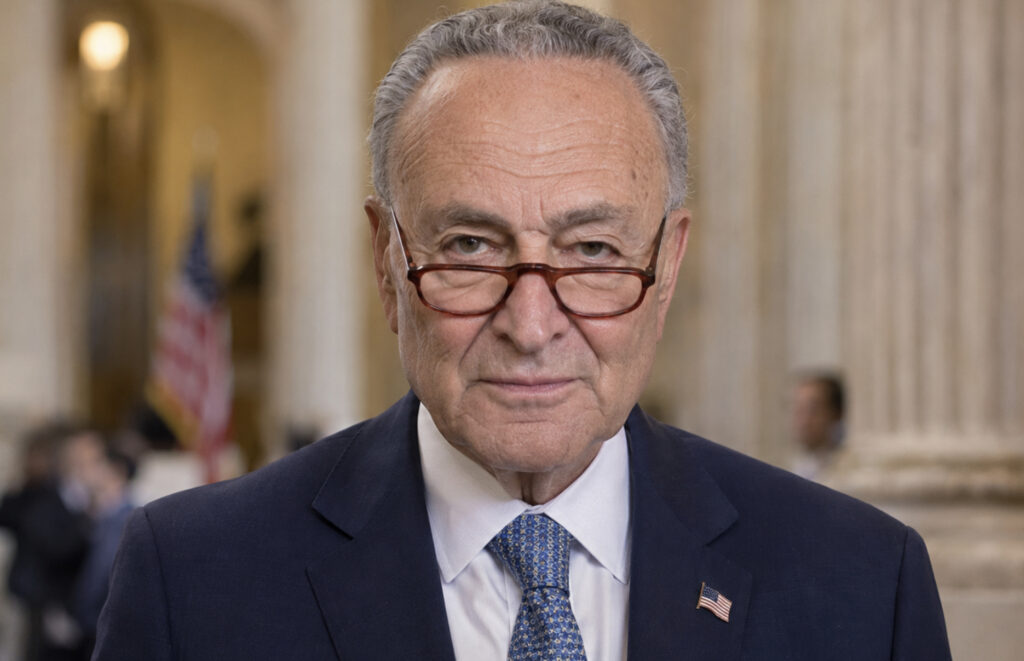
Senate Minority Leader Chuck Schumer is facing growing resistance from within his own party as newly elected Democratic senators openly question whether he should remain their leader when Democrats take control of the Senate in January. Despite the party’s sweeping victories in the 2026 midterm elections, several incoming lawmakers have refused to support Schumer’s expected bid for majority leader, setting up an internal leadership dispute just days after Democrats celebrated their return to power.
The opposition represents an unexpected challenge for Schumer, who has led Senate Democrats since 2017 and previously served as majority leader from 2021 through 2025. Although the New York Democrat remains confident that he has enough support to retain his position, the public resistance highlights an emerging divide between established party leadership and a younger generation of Democrats seeking a different direction. Some incoming senators argue that the party’s electoral success should be accompanied by changes in leadership, priorities, and its approach to Washington politics.
- 🔥 Top Story: Ilhan Omar Sends Chilling Arabic Message
- Most Viewed: Elon Musk Turns Heads With Election Response
- Most Commented: Dems Reveal Their First Act in Power
- New Photos: Conservative CHICK of the Day
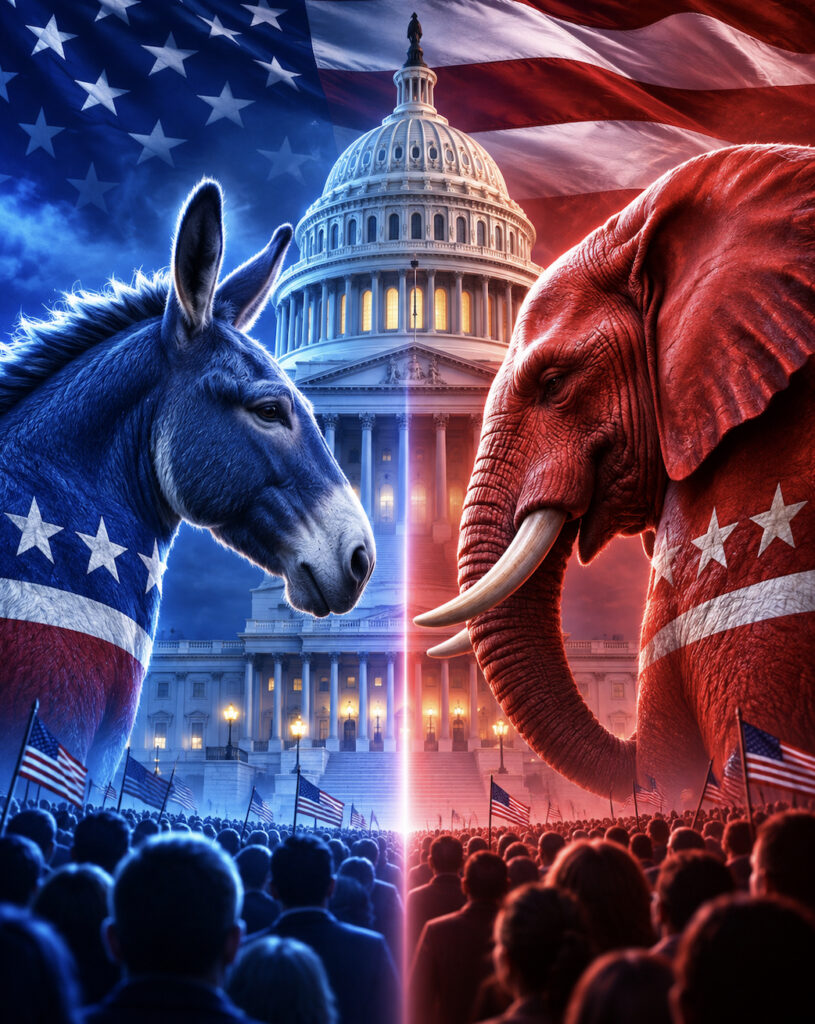
The controversy comes as Democrats prepare to exercise substantial influence over President Donald Trump’s remaining two years in office. With control of both chambers of Congress secured in the midterms, Democratic leaders will have significant opportunities to challenge Republican policies, shape federal spending negotiations, and scrutinize the administration. However, the question of who should lead Senate Democrats has already exposed disagreements over whether the party should pursue confrontation, bipartisan compromise, or a broader political realignment designed to appeal to working-class voters.
One of Schumer’s most outspoken critics is Sen.-elect Adam Hamilton, whose victory in Kansas represented a historic Democratic breakthrough in a state where Republicans had controlled the contested Senate seat for nearly a century. Hamilton campaigned on an approach emphasizing cooperation across party lines and addressing concerns shared by voters regardless of political affiliation. His refusal to support Schumer illustrates the challenges facing national Democratic leaders as the party welcomes senators who won elections in traditionally Republican territory and may have different political priorities from their colleagues in reliably Democratic states.
Hamilton made his position clear in September, telling CNN, “I mean no disrespect for Chuck Schumer, but we need new leadership. We need new younger leadership, young blood.” His remarks reflected a broader argument that Democrats should reconsider who represents the party nationally, particularly in states where its established leadership may struggle to connect with independent and Republican-leaning voters. Hamilton has suggested that political leaders should concentrate on bringing Americans together to address practical problems, rather than allowing partisan divisions to dominate the national conversation.
Hamilton has also argued that Schumer’s political reputation can be a liability for Democrats attempting to compete in states such as Kansas. His criticism reflects the complicated electoral calculations facing the party after its midterm victories, with lawmakers from competitive states potentially taking different positions from those representing heavily Democratic constituencies.
Other incoming Democratic senators have expressed similar concerns, including Troy Jackson of Maine, Juliana Stratton of Illinois, Abdul El-Sayed of Michigan, and Peggy Flanagan of Minnesota. Their opposition suggests that dissatisfaction with Schumer extends beyond any single region or ideological faction of the Democratic Party.
Jackson stated before Election Day that he had personally informed Schumer of his intention to support another candidate for Democratic leader. Following his election, Jackson maintained that position, signaling that his opposition was not simply a campaign-season statement intended to appeal to voters.
Flanagan has also called for a change in leadership, while expressing interest in a more progressive direction for Senate Democrats. Her position underscores pressure from the party’s left flank to select leaders willing to aggressively challenge the Trump administration while pursuing ambitious domestic policy goals.
El-Sayed has emerged as another prominent voice seeking a leadership change. The Michigan senator-elect has expressed support for Sen. Chris Van Hollen of Maryland, presenting him as an alternative to Schumer. El-Sayed’s position reflects a desire among some progressives for Democratic leaders who will take a more confrontational approach toward the administration.
The opposition has also extended to other incoming lawmakers. New Hampshire Sen.-elect Chris Pappas has discussed the importance of a new generation of leadership, while Texas Sen.-elect James Talarico has indicated that he wants to hear Schumer’s vision for the chamber before deciding whether to support him.
Van Hollen has attracted attention from progressives who believe he could represent a different direction for Senate Democrats. However, the Maryland senator has indicated that he does not plan to seek the leadership position, despite discussion of his potential candidacy. He has also emphasized the importance of debating the party’s economic agenda and determining how Democrats can respond to the priorities expressed by voters.
Van Hollen has additionally been discussed as a potential presidential contender in 2028, raising questions about his long-term political plans. His reluctance to enter the Senate leadership contest leaves Schumer’s critics without an obvious consensus candidate capable of uniting the various factions seeking a change.
Schumer, meanwhile, has attempted to minimize the significance of the opposition. Speaking with reporters after the midterm elections, he emphasized that the party’s immediate priority should be responding to voters and delivering results. He has expressed confidence that his colleagues will reelect him as Democratic leader when the caucus holds its internal leadership elections.
The New York Democrat also enters the leadership contest with considerable institutional advantages. After nearly a decade leading Senate Democrats, Schumer has established relationships throughout the caucus and played a major role in the party’s legislative strategy, fundraising operations, and electoral efforts. Those connections could prove decisive in a contest determined by the votes of Democratic senators rather than the broader electorate.
Democrats have secured at least 54 seats in the incoming Senate, including independents who caucus with the party, with the possibility of expanding their majority depending on outstanding election results. The victories represent a major shift in Washington’s balance of power and will give Democrats the ability to control Senate committees, oversee confirmation proceedings, and establish much of the chamber’s legislative agenda.
Despite the public criticism from several senators-elect, Schumer needs only a majority of the Democratic caucus to retain his leadership position. No incumbent Democratic senator has publicly committed to opposing him, leaving the incoming lawmakers facing an uphill battle if they hope to prevent his return as majority leader. Even without enough votes to replace him, however, their opposition could influence the party’s priorities and expectations for its leadership.
The leadership dispute is expected to remain a significant issue as Democrats prepare for the next Congress and the 2028 presidential election cycle. Whether Schumer ultimately retains his position or faces a more substantial challenge, the disagreement illustrates a larger debate over the Democratic Party’s future, the role of its longtime political establishment, and the direction lawmakers believe voters want the party to take.
Join the Conversation
Keep Reading

Meghan Markle’s Father ARRESTED
Top Trump Official Faces Impeachment
Dems Reveal Their First Act in Power — It’s BAD
JD Vance Makes Major Political Move


Country Music Star Dead at 35

Stock Market Takes New Turn After Decisive Midterm
Share your perspective and reply to other readers.
Free account required. You will stay on this page.