
Ex-FBI official weeps as she appears to face charges of lying about Hunter Biden laptop
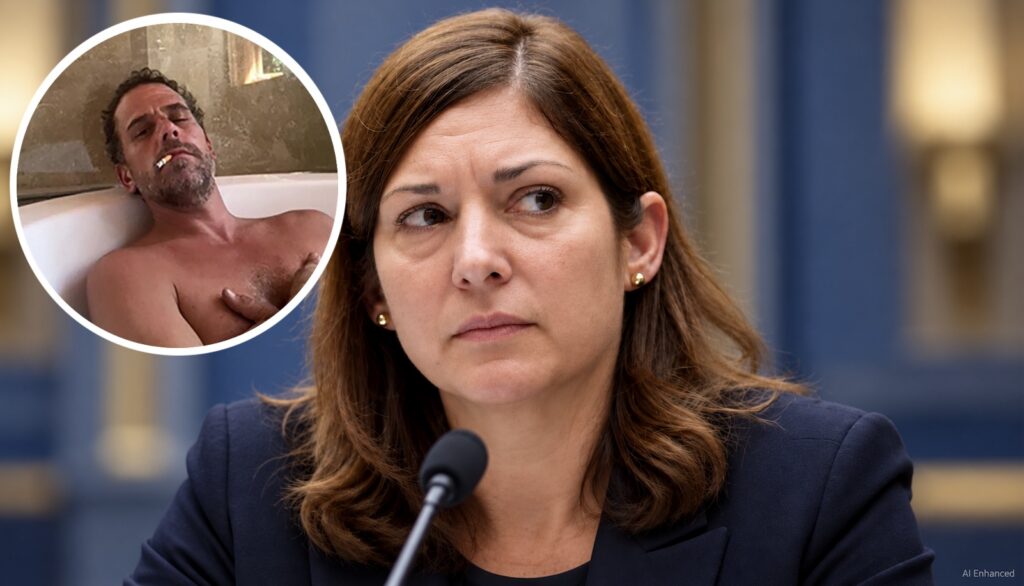
Former FBI official Nikki Floris reportedly broke down in tears outside a Washington, D.C., courtroom Tuesday as federal prosecutors presented allegations that she and another former bureau official misled Congress about their involvement in the Hunter Biden laptop controversy. The hearing focused on whether authorities have sufficient evidence to prosecute the two former officials over statements they made to congressional investigators in 2023.
Floris and former FBI official Bradley Benavides surrendered to federal authorities last week after being accused of lying to the House Judiciary Committee about their knowledge of Hunter Biden’s laptop. Prosecutors allege that both officials had access to information about the laptop before the 2020 presidential election but subsequently provided accounts to Congress that contradicted internal FBI records. Each could face up to five years in prison if convicted.
According to the New York Post, Floris became visibly emotional during a break in Tuesday’s proceedings and was seen crying in a hallway outside the courtroom. The hearing also featured tense exchanges between the presiding judge and Justice Department prosecutors over the government’s handling of the case.
U.S. Magistrate Judge Zia Faruqui oversaw the proceedings, which were intended to establish whether the Justice Department had demonstrated probable cause to continue its prosecution. After a full day of testimony, the judge postponed a final determination.
Both defendants previously worked within the FBI’s Foreign Influence Task Force, a division involved in addressing foreign interference concerns. Their responsibilities placed them in positions where communications surrounding the laptop controversy could have been relevant to their official duties.
Federal prosecutors contend that internal FBI communications contradict statements Floris and Benavides made to lawmakers. Investigators have cited electronic messages, emails, and testimony from bureau personnel as evidence that the defendants discussed the laptop before the 2020 election.
The controversy dates back to October 2020, when the New York Post published information obtained from a laptop reportedly belonging to Hunter Biden. Questions about the laptop’s authenticity and possible foreign involvement quickly became a major political issue during the presidential campaign.
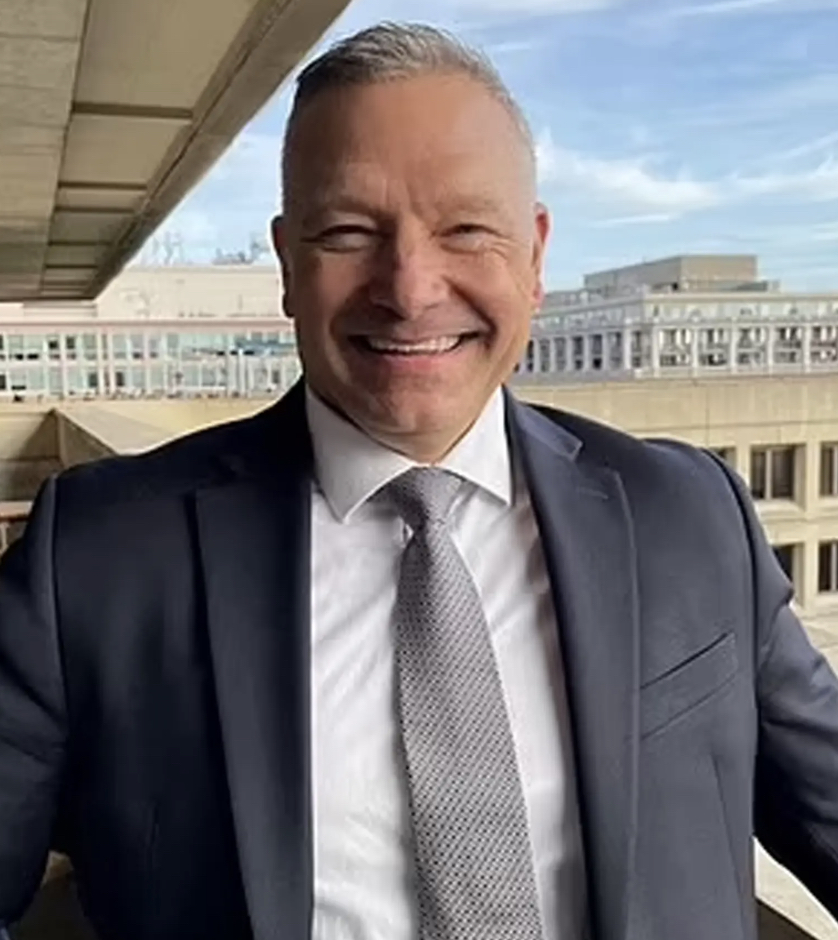
According to prosecutors, Floris and Benavides participated in communications concerning the laptop and helped address media inquiries following the original reporting. Authorities allege that those exchanges conflict with the defendants’ subsequent congressional testimony.
During her 2023 appearance before the House Judiciary Committee, Floris reportedly maintained that she had no knowledge of the laptop. Benavides separately claimed that he first encountered information about the device through “Wikipedia.”
FBI Special Agent Bryan Witt testified Tuesday about the evidence gathered during the investigation. He expressed skepticism that Benavides could have forgotten earlier communications concerning such a politically significant matter.
“It’d be common sense to remember that stuff,” Witt testified while being questioned by defense attorney Ron Safer.
Witt pointed to electronic conversations and other documented exchanges that he said were inconsistent with Benavides’ congressional account. However, he acknowledged that investigators lacked direct evidence establishing that Benavides deliberately provided false information.
Floris’ attorney, Margaret Donovan, also challenged the investigation’s origins, suggesting that political considerations may have influenced the decision to pursue the former officials.
Donovan highlighted President Donald Trump’s involvement, noting that he had referenced the officials publicly and subsequently directed the FBI to examine the matter. Witt acknowledged concerns that the investigation could be perceived as politically motivated.
The FBI agent also agreed that the assignment he received from Director Kash Patel was unusual. Nevertheless, he maintained that investigators were directed to examine possible criminal conduct rather than assume that wrongdoing had already been established.
Meanwhile, Judge Faruqui rejected an amended complaint submitted by the Justice Department shortly before the hearing. Prosecutors had attempted to introduce an additional obstruction charge without obtaining the required judicial authorization.
The judge criticized the unusual filing procedure and questioned whether prosecutors were attempting to avoid an unfavorable probable cause determination. The dispute introduced another complication for the government as it sought to advance its case.
Tuesday’s hearing concluded without a final ruling, with proceedings scheduled to resume Wednesday. Floris and Benavides remain accused, not convicted, of wrongdoing, and the next stage of the case will determine whether prosecutors have presented sufficient evidence to move the charges forward.
Join the Conversation
Keep Reading


Smoking Gun Found in Ilhan Omar’s Own Memoir


Share your perspective and reply to other readers.
Free account required. You will stay on this page.