Disgraced Ex-FBI Director James Comey Hit With New Federal Charges
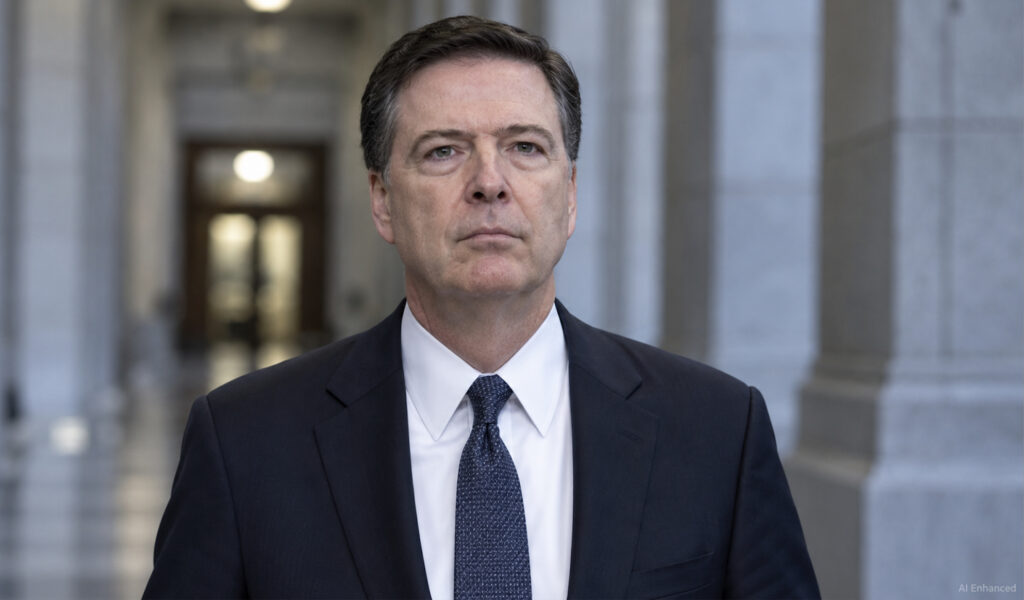
Former FBI Director James Comey is facing a new federal criminal case after the Justice Department accused him of improperly disclosing sensitive national defense information to a journalist in 2016. The charges, made public Monday, October 26, mark the third attempt by federal prosecutors to pursue criminal charges against the longtime critic of President Donald Trump.
The latest case centers on allegations that Comey directed another individual to share classified information with a New York Times reporter while he was leading the FBI. Prosecutors allege the disclosure occurred in October 2016, during the final weeks of that year’s presidential election, and involved national security information that was not authorized for public release.
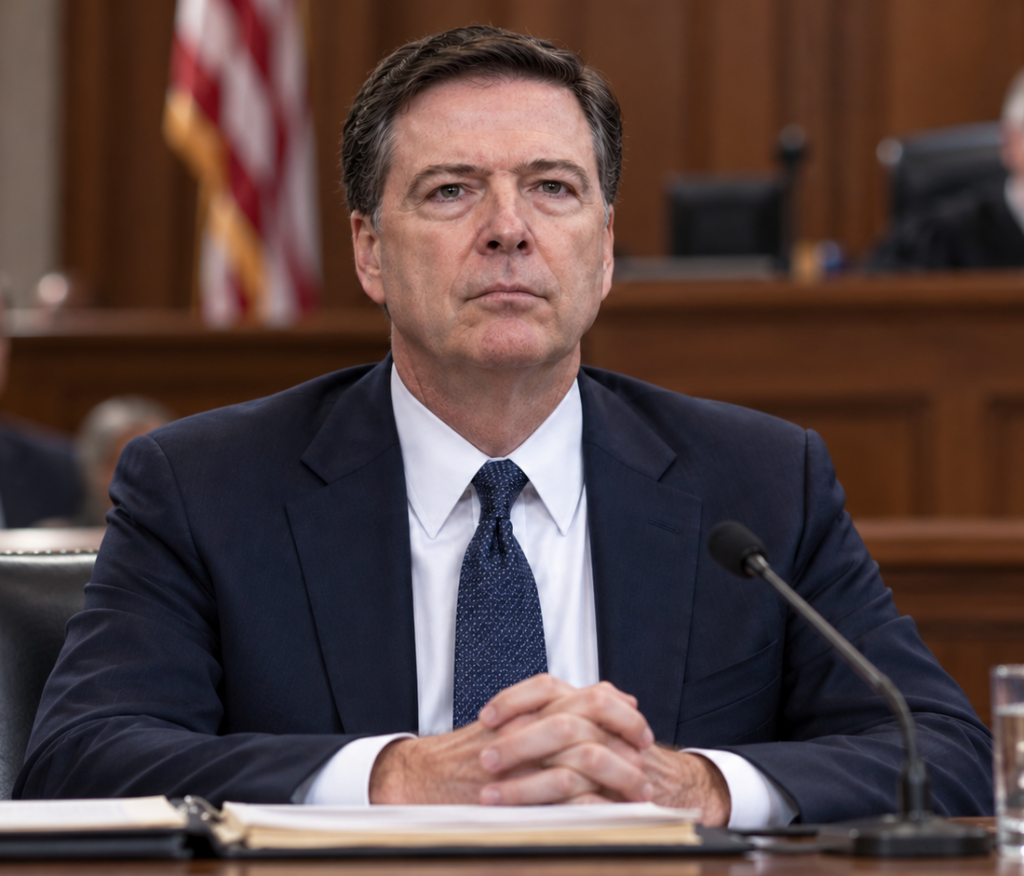
According to newly unsealed court documents, Comey faces two counts involving the transmission of national defense information and conspiracy to transmit that information. Prosecutors filed the charges under seal on October 5, shortly before the expiration of a 10-year statute of limitations. The filing was a criminal information rather than an indictment approved by a grand jury.
Comey quickly rejected the allegations and criticized the Justice Department in a video posted to Instagram. Referring to the latest prosecution, the former FBI director declared, “they’re back again,” while maintaining, “I’m still innocent.” He has consistently denied criminal wrongdoing in the cases brought against him.
The government’s allegations involve information reportedly provided to New York Times journalist Charlie Savage. Prosecutors contend that Comey directed an individual to contact the newspaper to address inaccuracies in an earlier Reuters report concerning government surveillance activities.
The disputed disclosure allegedly contributed to an October 5, 2016, New York Times article about Yahoo’s involvement in government email surveillance. Investigators are examining whether classified national defense information was unlawfully communicated during those exchanges.
Comey’s defense attorney, Patrick Fitzgerald, has challenged the prosecution, arguing that his client committed no crime. His legal team maintains that the government is attempting to revive allegations that federal authorities previously examined without bringing charges.
The defense also disputes the government’s use of a criminal information to initiate the case. Comey’s attorneys argue that prosecutors failed to bring legally sufficient charges before the applicable deadline expired.
The Justice Department has defended its procedure as an established method for preserving a prosecution before a statute of limitations deadline. Officials have declined to discuss additional details, citing the continuing criminal investigation.
The newest allegations follow Comey’s September 2025 indictment on charges of making false statements to Congress and obstructing a congressional proceeding. That case stemmed from his September 2020 testimony before the Senate Judiciary Committee.
Prosecutors in the earlier case accused Comey of misleading lawmakers about whether he had authorized an FBI official to provide information anonymously to journalists. Comey pleaded not guilty and disputed the government’s accusations.
A federal judge subsequently dismissed that prosecution after determining that the prosecutor responsible for obtaining the indictment had been improperly appointed. The dismissal concerned the prosecutor’s legal authority rather than a determination that Comey was innocent of the underlying allegations.
Comey encountered additional legal trouble in April 2026 when federal prosecutors charged him over a controversial Instagram photograph showing seashells arranged to display the numbers “8647.”
Authorities interpreted the photograph as a threat against Trump, the nation’s 47th president. Comey disputed that interpretation and maintained that he had not intended to encourage violence. That prosecution remains pending.
Questions surrounding Comey’s handling of sensitive FBI information also predate the current administration’s criminal cases. A 2019 Justice Department inspector general investigation found that he violated bureau policies by sharing internal investigative memoranda with an individual outside the FBI.
However, investigators did not establish that Comey knowingly provided classified information to the media in that episode. Federal prosecutors ultimately declined to bring criminal charges over those disclosures.
Comey’s relationship with Trump has been contentious since the president dismissed him as FBI director in May 2017. The former bureau chief subsequently became an outspoken critic of Trump, while the president repeatedly questioned Comey’s conduct and leadership.
The latest prosecution renews a high-profile legal confrontation involving one of Washington’s most controversial former law enforcement officials. Comey continues to maintain his innocence, and the new allegations remain unproven as his attorneys seek to have the case dismissed.
Join the Conversation
Keep Reading

Smoking Gun Found in Ilhan Omar’s Own Memoir


CNN Issues Major Warning to Democrats Ahead of Midterms

FBI Arrests Georgia Man Accused of Terror Attack on ICE Facility

Ilhan Omar Deletes Old Tweet — But We Caught It
Trump Slams Judge in Charlie Kirk Murder Case

Share your perspective and reply to other readers.
Free account required. You will stay on this page.