
Trump Hits Canada With Sweeping 50% Duties Targeting Auto Discrimination
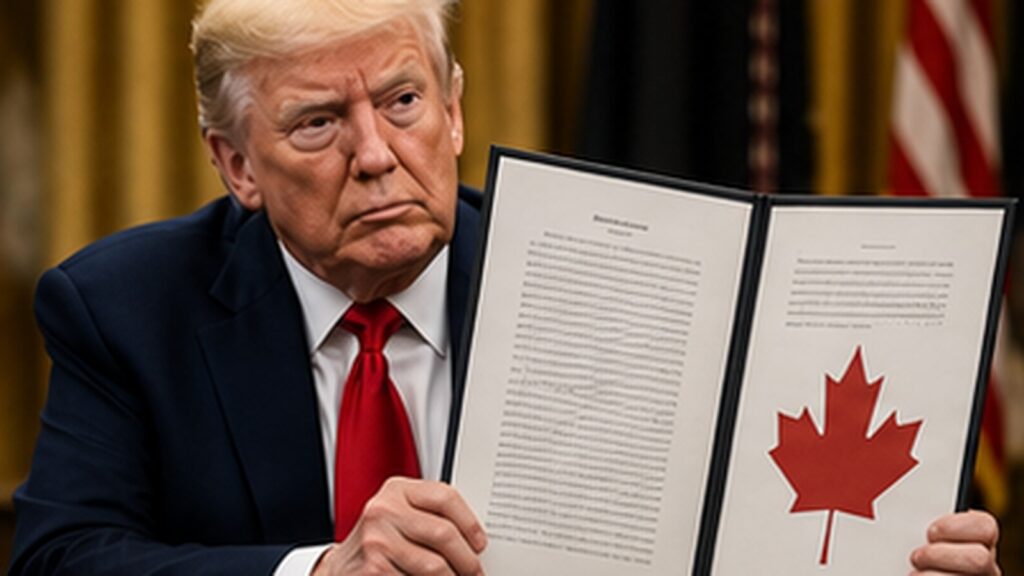
President Donald Trump signed a series of proclamations on Monday imposing a 50 percent tariff on a wide range of Canadian goods, citing what the White House described as longstanding discrimination against American motor vehicles and auto parts.
The duties, enacted under Section 338 of the Tariff Act of 1930, cover products including wine, dairy items, hockey sticks, cement, and alcoholic beverages. Officials stressed that the measures apply even to goods that would otherwise qualify under the U.S.-Mexico-Canada Agreement.
A White House fact sheet explained that the tariffs “will not apply to energy, potash, products subject to tariffs under Section 232, and certain other goods, such as fish or critical minerals.” The levies are scheduled to take effect 30 days after signing, giving both sides a window for potential negotiations.
The proclamation itself states that Canada “imposed a tariff system on only U.S. motor vehicles and treats the commerce of foreign countries more favorably than commerce of the United States with respect to motor vehicles.” Trump determined that the additional duties were needed “to address the burden or disadvantage from this discrimination.”
The move came one day after Trump appeared alongside Canadian Prime Minister Mark Carney at the World Cup final in New Jersey. Earlier comments from the president had also referenced costs tied to Canadian wildfire smoke drifting into the United States, though the formal action centered on the auto sector dispute.
Canadian leaders pushed back. Prime Minister Carney said his country “believes in the benefits of free and fair trade” and pledged to “work relentlessly” to protect Canadian workers and businesses. Ontario Premier Doug Ford called for immediate retaliation “tariff for tariff, dollar for dollar.”
Industry groups warned of broader disruption. The Canadian Trucking Alliance said the tariffs could spike freight costs and create severe border bottlenecks across one of the world’s most integrated supply chains.
The administration estimated the affected goods represent roughly $20 billion in annual Canadian imports, though analysts noted that only a modest share of total bilateral trade would be hit. The action marks a fresh test of presidential trade authority after earlier court rulings limited other tariff tools.
Join the Conversation
Keep Reading

Impeachment Articles Introduced Against Key Trump Official

Gavin Newsom Makes Major 2028 Announcement

New Space Weapons Revealed for First Time

Leaked X-Rated BDSM Photos Put Democrat Under Fire

Charlie Kirk Statue Vandalized, Smeared With Red Paint

DHS Chief Makes Explosive Ilhan Omar Marriage Claim



Emotional Moment on ‘The Five’ After Tragic News


Trump Declassifies Bombshell 9/11 Documents

Share your perspective and reply to other readers.
Free account required. You will stay on this page.