
Top Dem Faces Calls to Resign
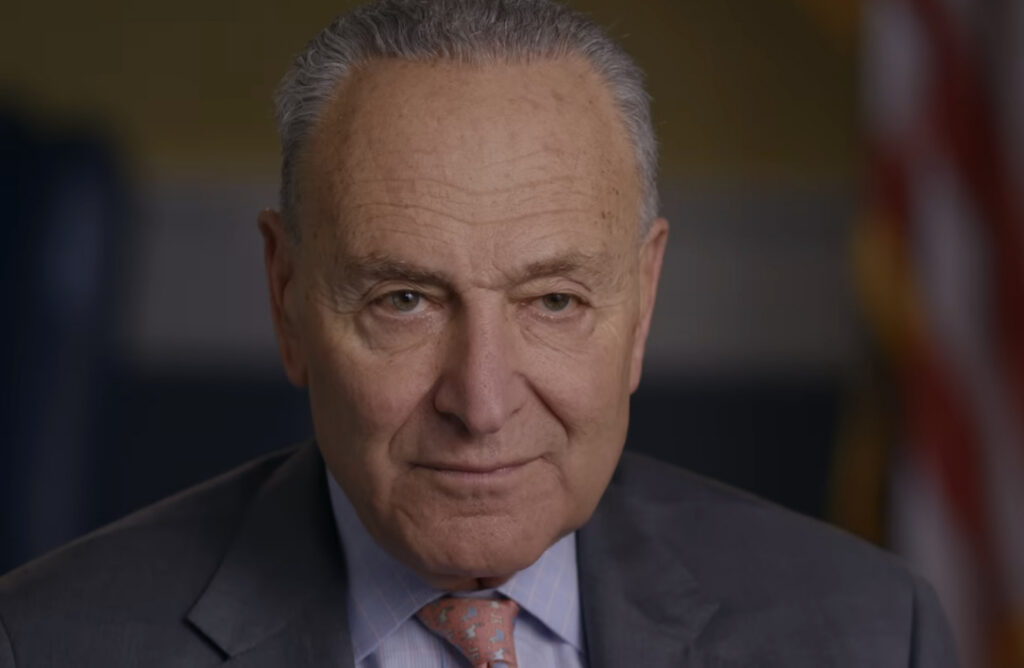
Jon Stewart used his podcast to argue that Democrats must dismantle internal barriers after their midterm gains that returned control of both chambers of Congress. The comedian and “Daily Show” host said the results create a chance to govern, but only if longstanding practices change.
Stewart stated that the first task is to “tear down the obstacles and old way of thinking that got us into this mess.” He rejected the idea that the moment is simply about impeaching officials, saying “f*** that.” He urged the party to focus on actual governance instead.
- 🔥 Top Story: Democrats Target Elon Musk After Election Victory
- Most Viewed: Newsom’s Death Row Decision Sparks OUTRAGE
- Most Commented: ICE Launches Major Operation in NYC
- New Photos: Sexy Conservative Chick of the Day
He specifically criticized the seniority system inside Democratic politics. “It is a bulls*** system and it needs to go,” Stewart said. He argued that the structure prevents the party from responding to current demands.
Stewart singled out Senate leader Chuck Schumer. He said claims that Schumer deserves major credit ignore how the senator “fought tooth and nail against half of these f***ing people.” Stewart added that Schumer does not grasp “the urgency of the moment and what the future demands.”
Several newly elected Democratic senators have already indicated they will not support Schumer for majority leader when the new Congress organizes. Those include Adam Hamilton of Kansas, Troy Jackson of Maine, Julianna Stratton of Illinois, Abdul El-Sayed of Michigan, and Peggy Flanagan of Minnesota.
Schumer has pushed back on the criticism. He told reporters, “The issue is not me. I’ll be re-elected as majority leader, but the issue is focusing on the American people and what they want.” He has led Senate Democrats for nearly a decade.
Stewart had previously questioned whether Schumer and House leader Hakeem Jeffries are equipped to deliver economic results if Democrats regained power. In September he said opposition to Trump alone would not be enough and that a concrete plan to rebalance the economy was required. He expressed hope that Schumer would not remain in the leadership role.
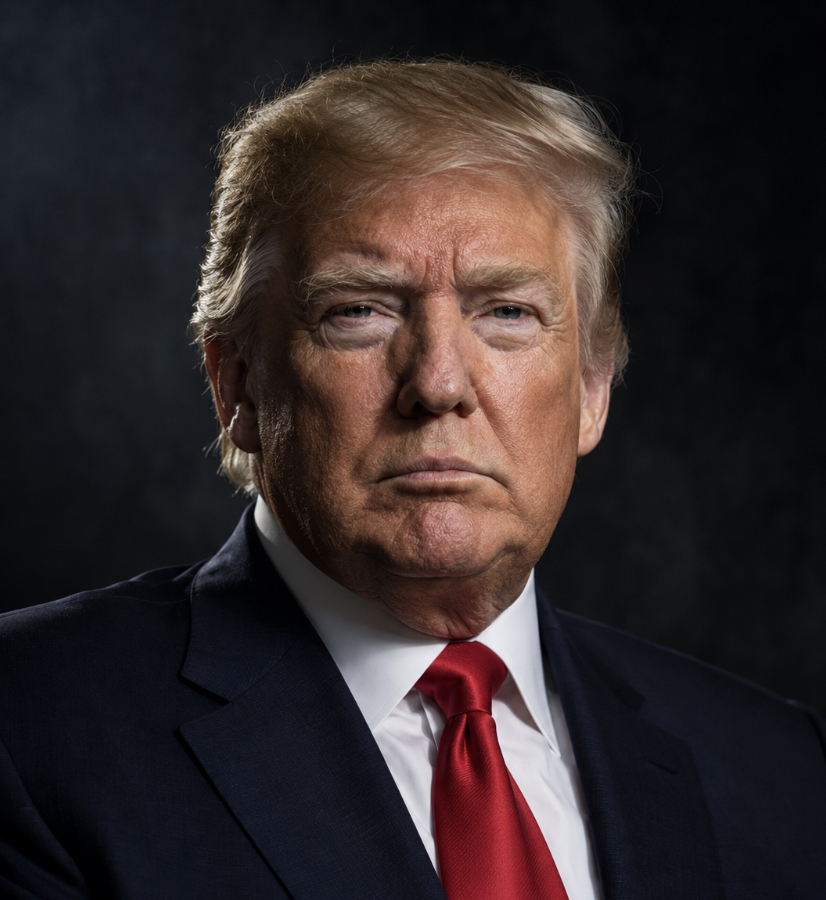
The midterm outcome produced large Democratic majorities. Stewart’s comments reflect a view among some party voices that the victory should prompt structural changes rather than continuation of existing leadership arrangements. The seniority critique centers on how long-serving members retain influence over committee posts and strategy.
Incoming senators who have withheld support for Schumer represent a range of states and backgrounds. Their public statements have focused on the need for different priorities or styles. None has outlined a formal alternative leadership slate at this stage.
Schumer’s confidence rests on his existing relationships within the current Democratic caucus. The addition of new members who have already signaled opposition creates an open question about the leadership vote that will occur in January. Party rules give the caucus the power to choose its leader.
Stewart’s podcast remarks emphasize competence in governing over continued confrontation. He framed the election result as an opportunity that could be lost if internal habits remain unchanged. The “bulls*** system” phrasing targets the mechanics of advancement by length of service.
The comedian has used his platform to critique both parties in the past. In this instance the focus stayed on Democratic internal practices after the party’s gains. He did not propose a specific replacement for Schumer.
Economic messaging has been a recurring theme in Stewart’s recent comments on Democratic strategy. He has argued that voters expect tangible steps on costs and opportunity. Leadership that cannot deliver those steps, in his view, risks wasting the majority.
The group of senators-elect declining to back Schumer includes both progressive and more moderate figures. Their shared reluctance suggests the issue is not confined to one wing of the party. How many additional members join them remains unknown until the caucus meets.
Schumer’s response separates his personal position from the broader agenda. He has pointed to the need to address voter concerns on the economy and other domestic issues. Whether that distinction holds with the new members will be tested in the leadership election.

Stewart’s earlier September remarks already anticipated a post-election debate over direction. The latest podcast comments intensify that debate by naming the seniority system and Schumer directly. The timing places the critique immediately after the results.
No formal challenge to Schumer has been organized yet. The public statements from incoming senators and Stewart’s commentary have made the leadership question visible. The January vote will determine whether the current arrangement continues.
The episode highlights tension between continuity and change inside the Democratic Party after a significant electoral win. Stewart’s argument is that the win itself does not guarantee effective use of power. The next several weeks will show how widely that view is shared among the senators who will cast the leadership ballots.
Join the Conversation
Keep Reading
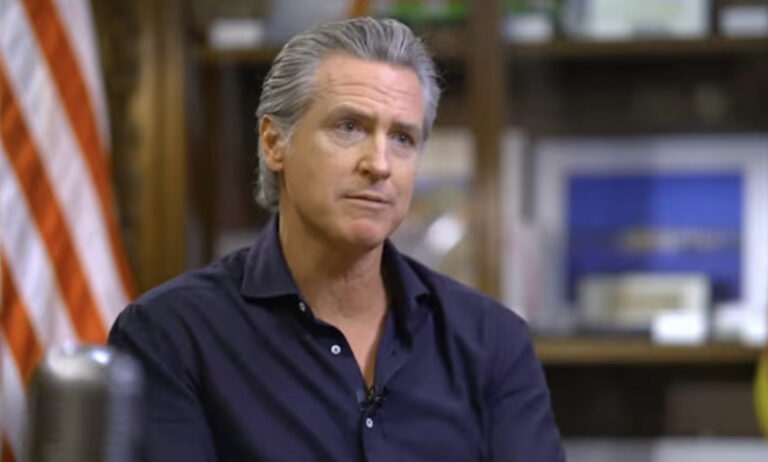

El-Sayed Supporters Yell Disturbing Islamic Chant for Palestine

Armed Man Arrested Near White House After Trump Threat
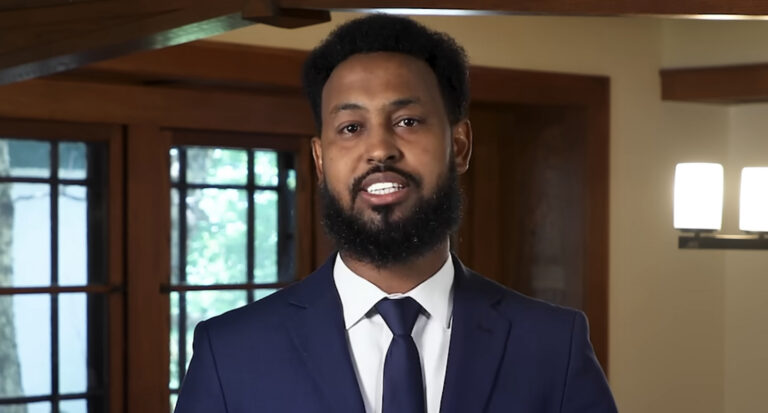
Trump Names New Chief of Staff


ICE Launches Major Operation in NYC
Kamala Harris Issues Chilling Demand
Share your perspective and reply to other readers.
Free account required. You will stay on this page.