Stock Market Takes New Turn After Decisive Midterm
Wall Street rebounded sharply Wednesday after Democrats took control of both the House and Senate in the midterm elections. The Dow Jones Industrial Average rose more than 1,000 points as investors responded to President Donald Trump’s acceptance of the results and the prospect of divided government.
The Dow gained 1,024 points, or about 2 percent. The S&P 500 climbed 1.5 percent and the Nasdaq Composite rose 2 percent. The gains followed a night of Republican losses that included several governorships, among them a Democratic win in Texas.
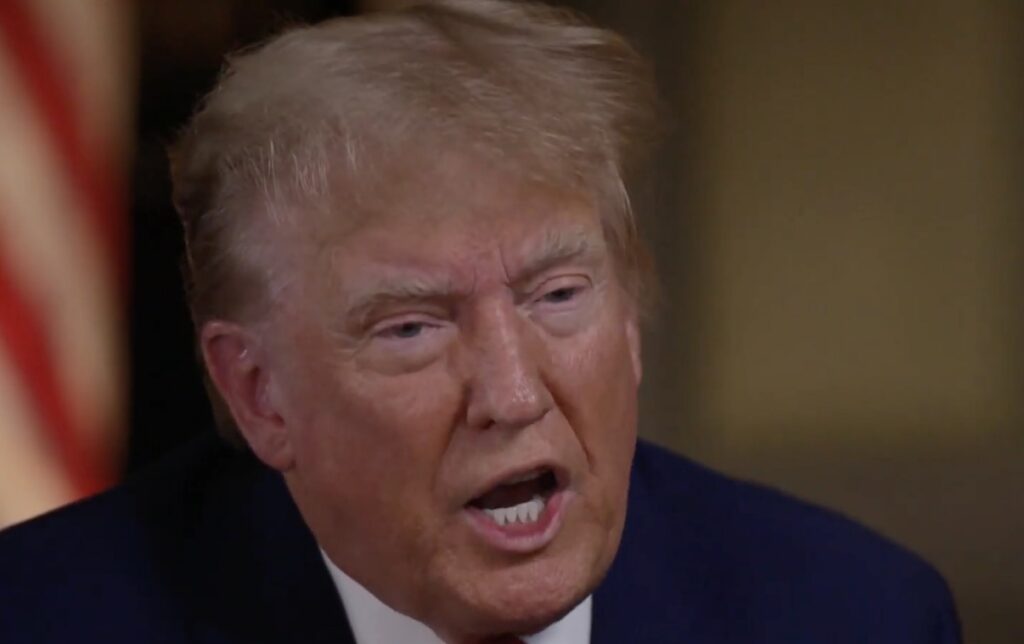
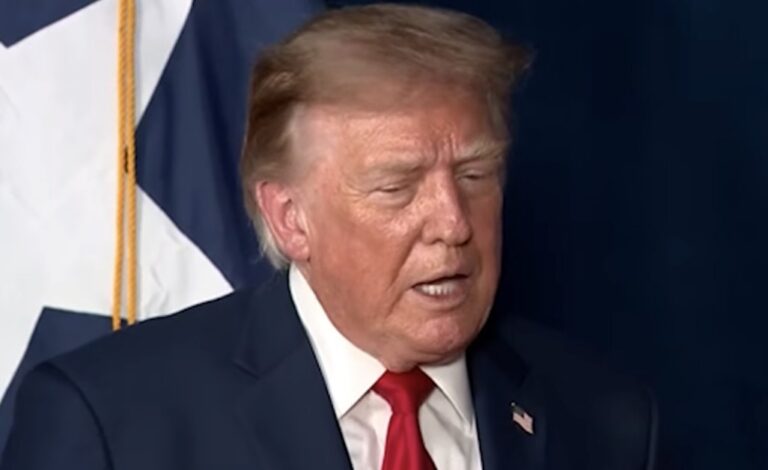
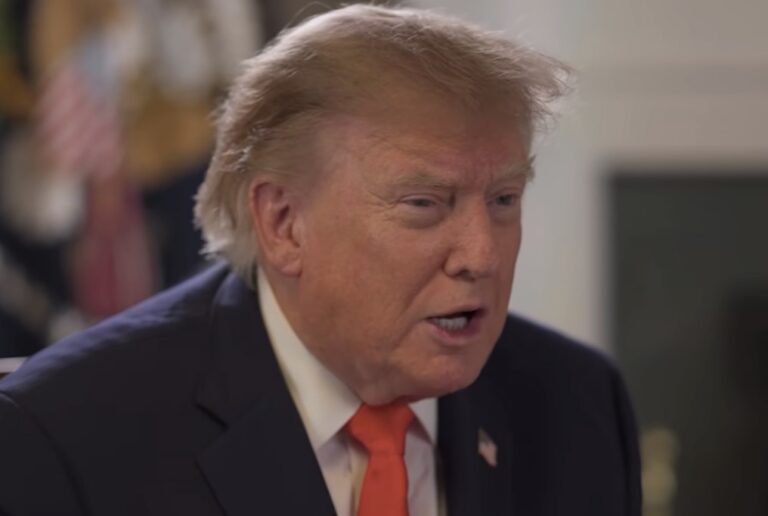
Trump told The New York Times he was “absolutely willing” to accept the outcome. He separately indicated to The Wall Street Journal that Republicans would work with Democrats. Jay Woods, chief market strategist at Freedom Capital Markets, said the rebound “was in part due to the president’s initial tone and reaction to the results.”
Woods added, “Still more uncertainty looms, but one thing is certain, there will be gridlock and historically this is good for the market.” Andrew Slimmon of Morgan Stanley Investment Management noted on CNBC that markets “like gridlock — they don’t like a party with too much power.”
Trump retains veto power, limiting Democrats’ ability to enact priorities even with majorities in both chambers. That structure can increase predictability for businesses by making sweeping policy shifts more difficult.
Several sectors advanced. Walmart shares rose about 3 percent and Bank of America gained 2.5 percent. Health-care stocks climbed, with Molina Healthcare up 5 percent and both Centene and HCA Healthcare gaining roughly 7 percent. The Invesco Solar ETF surged 8 percent on expectations of more favorable Democratic policies for renewables.
Not all areas benefited. Shares tied to artificial-intelligence infrastructure faced pressure over potential restrictions on data centers. Democrat Gina Hinojosa’s victory in the Texas gubernatorial race, where she has proposed a moratorium on new data-center development, added to those concerns. CoreWeave declined, as did SpaceX.
U.S. West Texas Intermediate crude futures fell about 2 percent, trading near $94 per barrel amid attention to possible progress in negotiations to end the war with Iran. Slimmon observed that elevated oil prices “been an issue for the Fed, and inflation, and part of the reason that rates are higher.”
The rally does not indicate investor preference for one party. Strategists pointed to reduced election uncertainty, expectations of gridlock, and lower oil prices as the main drivers.
Democratic majorities could complicate further Republican legislation, yet the president retains executive authority. The immediate market reaction reflected relief that a prolonged dispute over results appeared unlikely.
Investors moved into companies linked to the broader economy while assessing policy implications in health care and energy. The solar ETF’s gain stood out among sector moves.
Oil’s decline provided additional support. The conflict with Iran has contributed to inflationary pressures throughout the year, and any easing of those pressures could aid the Federal Reserve’s path on interest rates.
The contrast between Democratic election gains and a market rally around potential resistance from the White House highlighted the appeal of divided control. Gridlock has historically correlated with positive equity performance.
Trump’s economic agenda has included tax cuts, deregulation, and domestic energy production, though tariffs and the Iran conflict have introduced separate uncertainties. Wednesday’s session focused more on the post-election political setup than on any single policy.
As Washington prepares for two years of split government, the market’s response was clear in the size of the gains across major indexes.
Join the Conversation
Keep Reading

Country Music Star Dead at 35

Trump Breaks Silence After Election Disaster

MLB Legend Wins House Race

Democrat Mocks Trump in Victory Speech


Share your perspective and reply to other readers.
Free account required. You will stay on this page.