
Trump Calls for Ukraine to Replace Zelensky as Peace Talks Falter
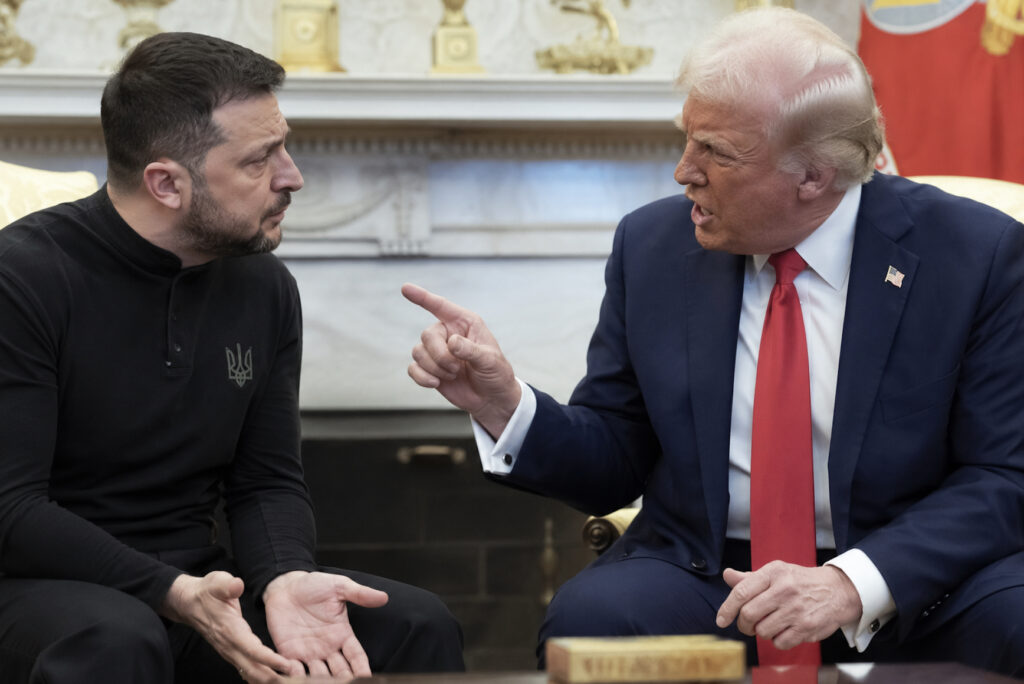
President Donald Trump has suggested that Ukraine should replace President Volodymyr Zelensky with a leader willing to negotiate an agreement with Russia, escalating tensions between Washington and Kyiv as efforts to end the prolonged war continue to encounter major obstacles.
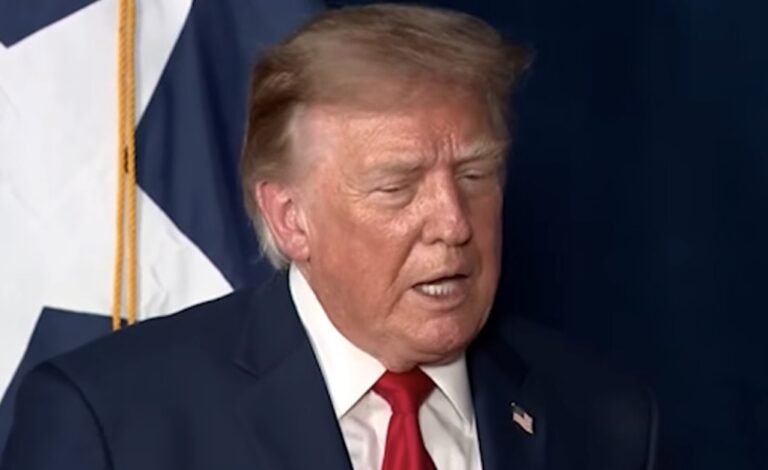
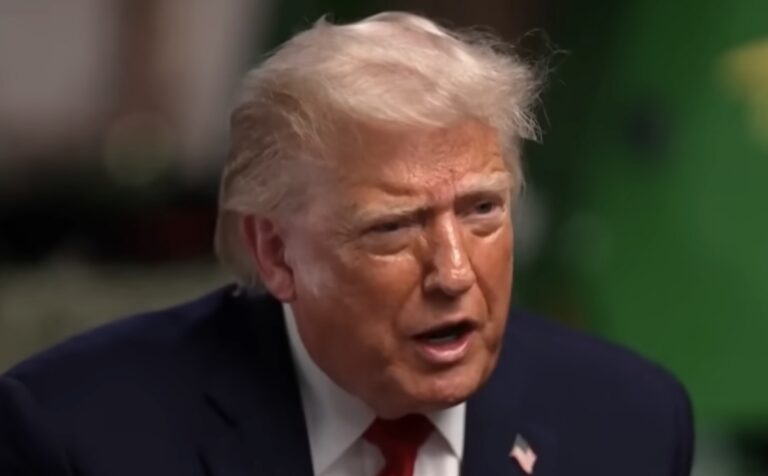
Speaking to reporters outside the White House on Saturday, October 10, Trump expressed frustration with Zelensky’s handling of peace negotiations and questioned whether the Ukrainian president was capable of reaching an agreement that would bring the fighting to an end.

Trump said Ukraine should consider finding a different president who could successfully negotiate a settlement. He argued that Zelensky has repeatedly failed to reach an agreement despite ongoing diplomatic efforts involving the United States, Ukraine, and Russia.
The president also renewed his criticism of former President Joe Biden, maintaining that Russia’s invasion of Ukraine would never have occurred under his leadership. Trump blamed the previous administration’s foreign policy decisions for allowing the conflict to begin.
Trump pointed to the devastating consequences of the war, including widespread casualties, destroyed communities, and substantial territorial losses. He argued that Ukraine’s leadership must recognize the enormous costs of continuing the conflict without reaching a negotiated settlement.
The president’s remarks represented another public challenge to Zelensky, whose relationship with Trump has faced repeated tensions over military assistance, territorial concessions, and competing approaches to negotiating with Russian President Vladimir Putin.
Zelensky, a former television actor who won Ukraine’s presidency in 2019, has also faced criticism over the country’s postponed presidential election. Ukraine was originally expected to conduct another presidential vote in 2024, but the election did not take place because the country remains under martial law.
Trump has previously questioned Zelensky’s democratic legitimacy because of the delayed election. Ukrainian officials, however, have defended the postponement, citing security threats, legal restrictions, the displacement of millions of citizens, and the difficulties of organizing voting during an active war.
The latest disagreement came shortly after Trump announced an arrangement with Putin involving substantial shipments of Russian diesel fuel to international markets. The agreement reportedly includes an initial delivery of approximately 300,000 metric tons, followed by additional supplies in November.
Under the announced arrangement, another 500,000 metric tons would become available the following month, with further shipments planned afterward. The broader objective involves eventually supplying at least three million metric tons to global markets.
Zelensky strongly criticized the energy agreement, arguing that additional Russian export revenue would provide Moscow with more resources to finance its military operations. He warned that international purchases of Russian energy could undermine efforts to pressure Putin into ending the invasion.
The Ukrainian president maintained that Moscow could direct additional revenue toward weapons manufacturing, missile production, drone development, and the recruitment of additional troops. He argued that financial pressure remains an essential part of limiting Russia’s ability to sustain the conflict.
Zelensky also called for stronger action from the United States and European governments, emphasizing that international pressure should discourage further Russian military operations rather than create additional economic opportunities for Moscow.
His objections highlighted a fundamental disagreement between the two presidents. Trump has emphasized negotiating an end to the conflict and pursuing arrangements with Russia, while Zelensky has maintained that Ukraine must receive adequate security guarantees and avoid agreements that would leave it vulnerable to future attacks.
Meanwhile, diplomatic discussions involving American, Ukrainian, and European representatives in Miami concluded earlier than anticipated. Negotiators had begun meetings Friday, with additional discussions expected Saturday, before Ukrainian officials announced that their delegation was returning home.
The American negotiating team reportedly included special envoy Steve Witkoff, who has participated in the administration’s efforts to facilitate discussions surrounding the war. The shortened diplomatic meetings raised further questions about the prospects for an agreement between the opposing sides.
One of the largest obstacles remains Russia’s demand for control over the entire Donbas region in eastern Ukraine. Russian forces occupy portions of the territory, but Moscow has insisted on concessions involving areas that Ukraine continues to control. Zelensky has resisted surrendering additional territory, warning that Russia could use any settlement to rebuild its military capabilities before launching another offensive.
With neither side showing a willingness to compromise on major territorial disputes, the path toward a lasting agreement remains uncertain. Trump’s latest criticism of Zelensky adds another dimension to the diplomatic standoff, potentially increasing pressure on Ukraine’s leadership as Washington continues pursuing a negotiated end to the war.
Join the Conversation
Keep Reading
Trump Snubbed for Nobel Peace Prize — Winner Revealed



ICE Arrests Illegal Alien Campaigning in Swing State
Fox News Power Couple Sets Wedding Date
Share your perspective and reply to other readers.
Free account required. You will stay on this page.