
Trump Snubbed for Nobel Peace Prize — Winner Revealed
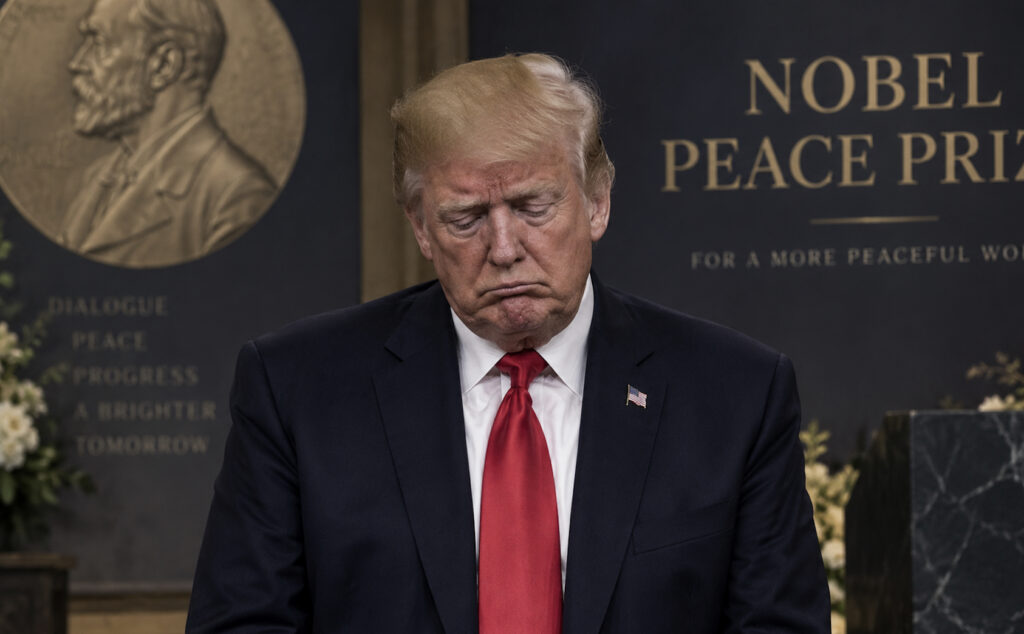
President Donald Trump has been passed over for the 2026 Nobel Peace Prize despite repeatedly arguing that his efforts to resolve international conflicts deserve recognition. Trump had openly expressed his desire to receive the prestigious award, pointing to his administration’s diplomatic initiatives and claiming credit for ending multiple wars. However, the Norwegian Nobel Committee selected a different recipient, prompting an angry response from the president.
The 2026 Nobel Peace Prize was awarded to Navanethem “Navi” Pillay, an 85-year-old South African jurist and former United Nations human rights chief. The committee announced its decision Friday, October 9, recognizing Pillay for her efforts to promote international law, defend human rights, and hold governments accountable for serious international crimes. The selection came after months of speculation about whether Trump could become the latest American president to receive the honor.

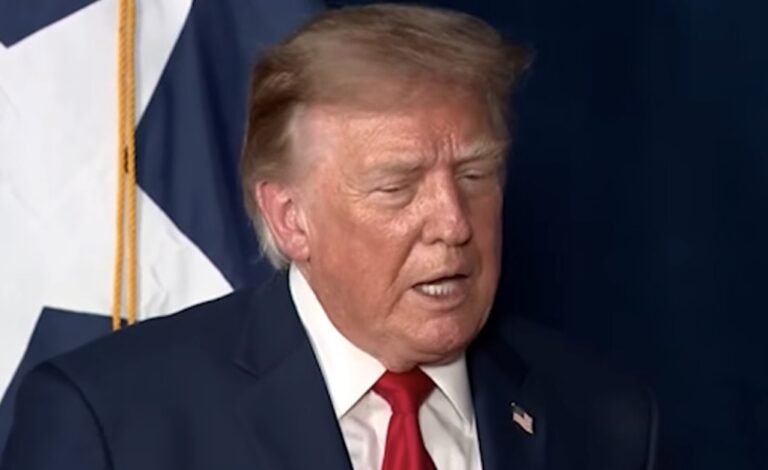
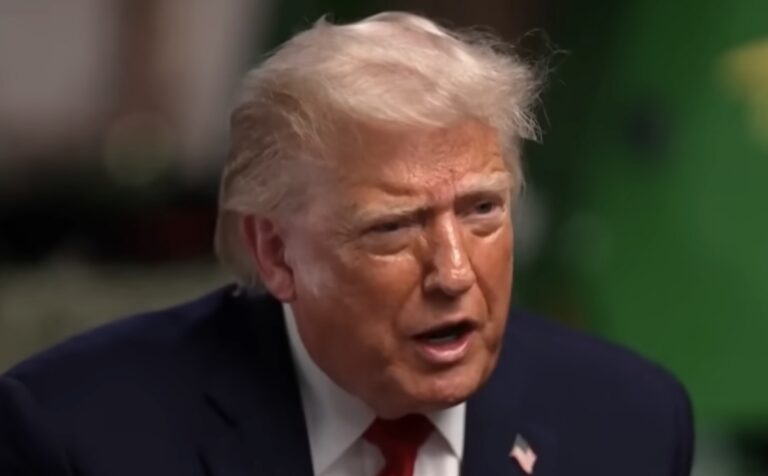
Trump reacted strongly to the announcement, criticizing the Nobel Committee during a political rally in Syracuse, New York. He argued that his foreign policy accomplishments had been overlooked and described the decision as an embarrassment for Norway. The president said the failure to recognize his achievements would not be forgotten.
During his remarks, Trump declared that he “should have received the Nobel Peace Prize, but didn’t.” He went further, calling the decision an “indelible stain” on Norway and accusing those responsible for the selection of making a disgraceful judgment. His comments reflected years of frustration over his unsuccessful pursuit of the award.
Trump has repeatedly maintained that his administration deserves international recognition for its diplomatic efforts. He has claimed responsibility for resolving eight wars and has pointed to negotiations involving countries across the Middle East, Asia, and Europe. Some governments have credited his involvement in peace initiatives, although independent assessments have disputed his characterization of several conflicts as permanently resolved.
The president also addressed the matter on Truth Social, claiming that he deserved multiple Nobel Peace Prizes because of his work on international disputes. He specifically referenced the conflicts involving Iran and Russia’s war against Ukraine, suggesting that his administration was pursuing additional agreements that could strengthen his record as a peacemaker. Both conflicts, however, remained unresolved when the committee announced its decision.
Trump’s interest in the award extends back several years. During a February 2025 meeting with Israeli Prime Minister Benjamin Netanyahu, Trump predicted that he would never receive the prize despite believing he deserved it. He said, “It’s too bad. I deserve it, but they will never give it to me.” His remarks underscored his longstanding belief that the Nobel Committee would not recognize his achievements.
Several foreign leaders have publicly supported Trump’s Nobel ambitions. Leaders from Israel, Pakistan, and Cambodia were among those reported to have nominated him for the award, citing diplomatic or conflict-resolution efforts involving their countries. Nevertheless, the Norwegian Nobel Committee does not publicly disclose its official nominee lists for 50 years, making it impossible to independently confirm every nomination.
Trump’s pursuit of the honor received additional attention earlier this year when Venezuelan opposition leader María Corina Machado, who won the 2025 Nobel Peace Prize, presented her medal to him in January. The symbolic gesture followed the American military operation that removed Venezuelan leader Nicolás Maduro from power. Trump welcomed Machado’s decision, describing it as a meaningful expression of mutual respect.
However, the Nobel Committee clarified that the award itself cannot be transferred to another person. Although a recipient can give away the physical medal, the official recognition remains permanently associated with the original laureate. Consequently, Machado’s gesture did not make Trump a Nobel Peace Prize winner.
The committee’s decision to honor Pillay instead placed renewed attention on the differences between Trump’s foreign policy approach and the institution’s emphasis on international law. Pillay has spent decades working in human rights litigation, international criminal justice, and efforts to prosecute crimes against humanity. Her legal career began under South Africa’s apartheid system, where she defended political activists and challenged discriminatory laws.
Pillay subsequently served on the International Criminal Tribunal for Rwanda, helping establish important legal precedents involving sexual violence and genocide. She also served as a judge at the International Criminal Court before becoming the United Nations high commissioner for human rights. The Nobel Committee highlighted her commitment to ensuring that powerful individuals and governments can be held accountable under international law.
One of Pillay’s more controversial assignments involved chairing a United Nations commission investigating Israel’s military operations in Gaza. The commission concluded in 2025 that Israel had committed genocide against Palestinians in Gaza, an accusation strongly rejected by the Israeli government. Her involvement in that investigation became a major point of controversy surrounding the Nobel announcement.
Trump criticized Pillay personally following the announcement, questioning her qualifications for the prize and suggesting he was unfamiliar with her accomplishments. In response to applause during a public appearance in Germany, Pillay jokingly suggested that she might share the award with Trump if the audience applauded more enthusiastically. The remark drew laughter as international attention focused on the president’s reaction.
The controversy intensified as the Trump administration announced additional sanctions targeting the International Criminal Court on the same day Pillay received the honor. The administration has accused the court of threatening American sovereignty through investigations and prosecutions involving U.S. officials and allies. Supporters of the court argue that such measures undermine international accountability and the institutions that Pillay has spent much of her career defending.
The Nobel Committee has maintained that its decisions are made independently of the Norwegian government. Although committee members are appointed by Norway’s parliament, Norwegian officials do not directly select the recipients. Committee chairman Jørgen Watne Frydnes emphasized the importance of defending international law and recognizing individuals who demonstrate courage and integrity in advancing global justice.
Trump’s disappointment also revived comparisons with former President Barack Obama, who received the Nobel Peace Prize in 2009 during the first year of his presidency. Trump has questioned Obama’s selection in the past, arguing that his own diplomatic achievements have received insufficient recognition. Obama’s award generated controversy because it came relatively early in his presidency, with critics questioning whether his administration had accomplished enough to justify the distinction.
The 2026 Nobel Peace Prize carries a monetary award of 12 million Swedish kronor, approximately $1.2 million, and will be formally presented in Oslo on December 10. Pillay has dedicated the honor to survivors of international crimes and individuals working to defend justice. For Trump, the announcement represents another unsuccessful attempt to secure an international distinction he has openly pursued for years. Despite his objections, the committee’s decision is final, leaving the president without the Nobel Peace Prize he believes his record deserves.
Join the Conversation
Keep Reading



ICE Arrests Illegal Alien Campaigning in Swing State
Fox News Power Couple Sets Wedding Date
Share your perspective and reply to other readers.
Free account required. You will stay on this page.