Abdul El-Sayed’s Ties to Muslim Brotherhood Draw Scrutiny from NBC
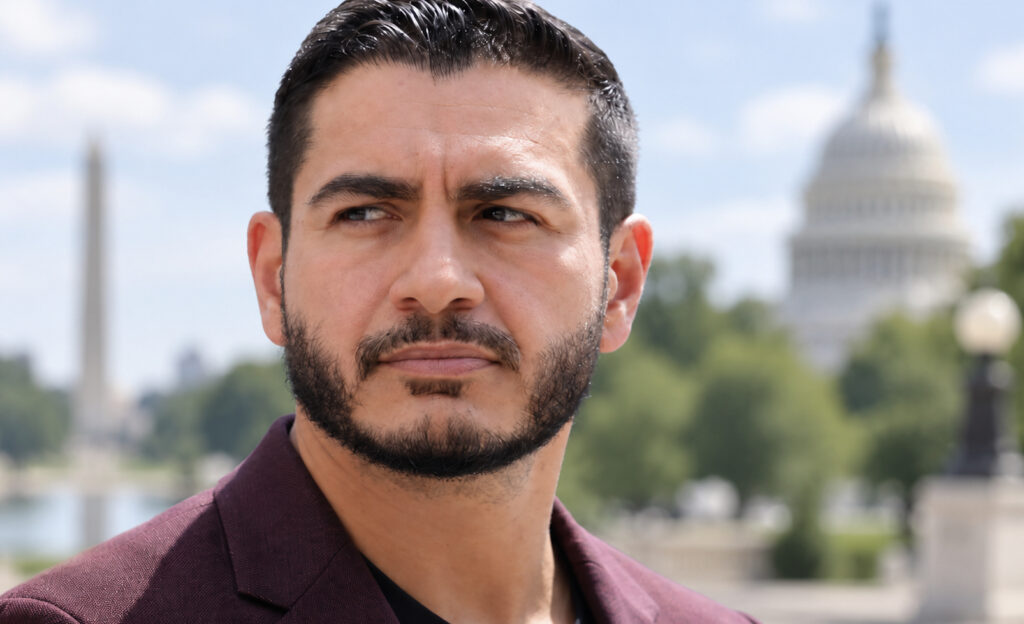
Michigan Democratic Senate candidate Abdul El-Sayed faced pointed questions from NBC News anchor Tom Llamas over allegations involving his family’s historical connections to the Muslim Brotherhood. The exchange followed a previous interview in which El-Sayed denied that either he or his family had ties to the Islamist movement, despite resurfaced social media posts from his half-sister suggesting otherwise.
The controversy emerged during El-Sayed’s closely watched Senate campaign against Republican Mike Rogers. During an earlier appearance with NBC’s Kristen Welker, the Democrat rejected questions about potential family connections to the organization. However, statements attributed to his half-sister, Eman Abdelhadi, subsequently prompted questions about the accuracy of his response.
During the October 14 broadcast of NBC Nightly News, Llamas confronted El-Sayed with the older social media posts. One described a conversation Abdelhadi reportedly had with their mother about her participation in Muslim Brotherhood activities while attending college in Egypt during the early 1970s.
Other posts referenced additional relatives who allegedly supported the organization. Llamas questioned how those statements could be reconciled with El-Sayed’s earlier denial of family involvement.
El-Sayed rejected the suggestion that the posts established any meaningful connection between himself and the Muslim Brotherhood. He emphasized that he was born in Michigan in 1984, years after the activities described by his half-sister.
HOLD THE PRESS: NBC holds Abdul El-Sayed’s feet to the fire on his family’s ties to the Muslim Brotherhood.
He CLEARLY panicked and lashed out at the reporter.
NBC: “When people ask you a question, they do expect the truth.”
EL-SAYED (flustered): “Are you insinuating that somehow I was lying?!”
This is so good. He’s panicking and his lies are catching up to him.
A rare act of journalism from NBC News.
— Townhall.com (@townhallcom) October 14, 2026
The Democrat also pointed to his education at the University of Michigan and his previous leadership positions in public health, arguing that events involving relatives in Egypt decades earlier had little relevance to his qualifications for federal office.
Llamas continued pressing the candidate, noting that his original response had addressed not only his personal background but also his family’s alleged connections.
El-Sayed reiterated his denial while acknowledging that he had never directly discussed the subject with his mother.
“I have never had these conversations with my mother,” El-Sayed said, adding that she did not raise him.
He also challenged the reliability of the social media posts, arguing that they represented secondhand claims rather than conclusive evidence.
The allegations have become a point of contention in the Senate race, with Rogers and other Republicans questioning whether El-Sayed’s public statements accurately reflect his family’s reported history.
El-Sayed’s campaign has pushed back against the criticism, characterizing the allegations as misleading and Islamophobic attacks intended to damage his candidacy.
Importantly, the reported family history does not establish that El-Sayed personally joined the Muslim Brotherhood, supported its activities or participated in the organization.
Founded in Egypt in 1928, the Muslim Brotherhood developed into an influential Islamist political movement whose ideology, political activities and relationships with other organizations have generated decades of international controversy.
The NBC interview also addressed El-Sayed’s foreign policy positions, including his previous reluctance to identify whether Israel or Iran represents the greater threat to American interests.
That position has drawn criticism from Republicans, who emphasize Israel’s longstanding alliance with the United States and Iran’s support for armed organizations hostile to American interests. El-Sayed has instead stressed his opposition to unnecessary U.S. involvement in overseas conflicts.
The scrutiny comes as Michigan’s Senate race attracts substantial national attention. El-Sayed and Rogers are competing in one of the country’s most closely watched contests, with approximately $181 million in advertising expenditures reported as of October 15.
With Election Day approaching, the controversy adds another issue to an already contentious campaign. El-Sayed faces continued questions about his earlier statements, while Republicans seek to make national security and foreign policy central issues in the race.
Join the Conversation
Keep Reading

Jack Smith Caught Collecting Data on 639,000 Republicans
Ilhan Omar’s Family Subpoenaed by DOJ Amid Federal Investigation

Gunman Opens Fire On News Station

Ilhan Omar’s Explosive Wealth Scandal Exposed

Woke’ Judge Screams at Trump Lawyers in Courtroom Meltdown
Share your perspective and reply to other readers.
Free account required. You will stay on this page.