
Impeachment Articles Officially Filed Against President Trump
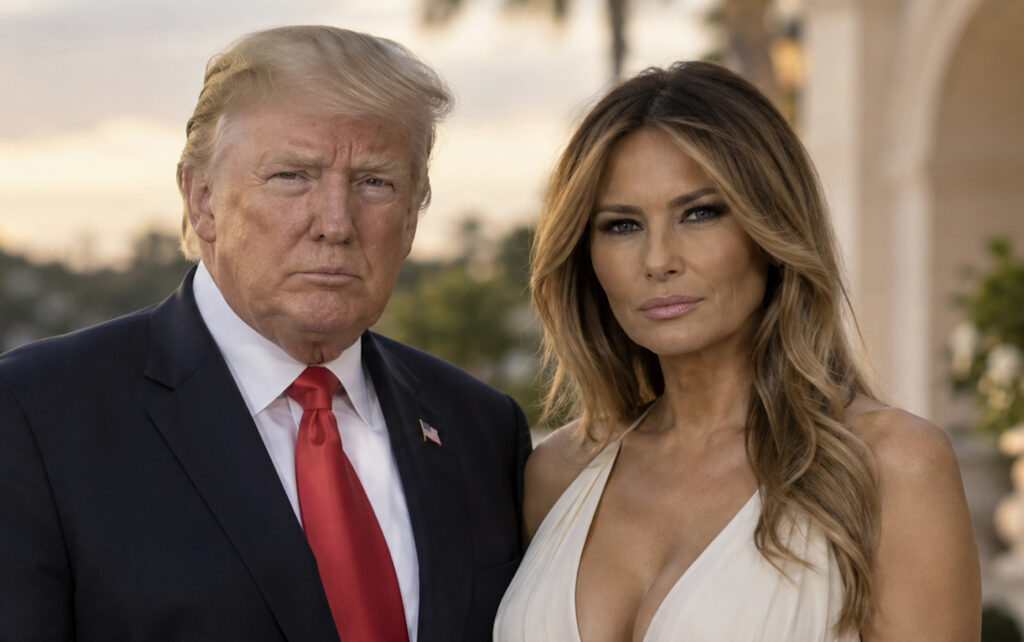
Rep. Steve Cohen of Tennessee has introduced a sweeping impeachment resolution against President Donald Trump, laying out 26 separate articles covering issues ranging from immigration and military action to executive authority and alleged conflicts of interest.
Cohen, a Democrat who serves on the House Judiciary Committee, announced the resolution as the 2026 midterm elections approach and control of Congress remains a major focus for both parties.
The proposal is unlikely to advance in the Republican-controlled House. Still, Cohen has made clear that he views the measure as something that could be revisited if Democrats gain control of the chamber.
See Melania’s Stunning Looks ➔
“Trump is clearly the most impeachable President our country has ever endured,” Cohen said while announcing the resolution.
He also accused Republicans in Congress of failing to adequately challenge the president, adding that his own oath of office required him to act.
“I took an independent oath to support and defend the Constitution,” Cohen said. “That commitment compels me to introduce this resolution today.”
The 26 articles cover an unusually broad range of disputes involving the Trump administration.
Several focus on military and foreign-policy decisions. Cohen alleges that Trump improperly used presidential authority in connection with military operations involving Iran and Venezuela and the deployment of military forces within U.S. cities.
Another group of articles addresses immigration policy.
Those allegations involve Trump’s executive order concerning birthright citizenship, immigration enforcement practices, the treatment of detainees and disputes between the administration and federal courts.
Cohen also challenges several actions involving the federal government itself, including the withholding of congressionally approved money, changes affecting federal employees, the removal of inspectors general and efforts involving the Department of Education.
Economic policy is included as well.
One article challenges Trump’s use of emergency authority to impose tariffs, while another concerns federal funds and what Cohen describes as improper use of the government’s Judgment Fund.
Other articles focus on the Justice Department and presidential pardon authority.
Cohen alleges politically motivated prosecutions involving James Comey, Letitia James and Adam Schiff. He separately accuses Trump of misusing the presidential pardon power.
The resolution also raises disputes involving the news media, universities and major law firms.
Among the allegations are claims that the administration retaliated against reporters because of unfavorable coverage, pressured television networks over editorial decisions and improperly used federal authority against universities and law firms.
Additional articles concern changes to public institutions, federal property and alleged violations of the Constitution’s emoluments provisions.
Cohen has described the package as a potential foundation for future congressional action rather than simply a response to one controversy.
“I sincerely believe that the 120th Congress will better live up to its duties as co-equal branch of government and a check on the executive,” Cohen said.
He added, “I hope this resolution paves the way to accountability.”
The move follows another unsuccessful impeachment effort earlier in September. The House voted 232-147 on September 15 to table impeachment motions brought by Democratic Rep. Al Green of Texas.
Cohen’s resolution takes a much broader approach, grouping allegations under areas including elections, immigration, military authority, federal spending, freedom of the press, executive power and ethics.
Cohen’s own congressional office describes the resolution as alleging abuses of power, violations of Trump’s oath of office, misuse of the pardon power and emoluments violations. Those remain Cohen’s allegations unless and until Congress investigates or acts on them.
With Republicans currently controlling the House, the resolution faces significant procedural obstacles.
Its longer-term importance could therefore depend on the composition of Congress after the midterm elections and whether future House leaders choose to pursue any of Cohen’s allegations.
Cohen himself has framed the resolution as a detailed record that lawmakers could use later rather than having to develop an impeachment case from the beginning.
For now, however, the filing represents an extensive set of accusations from one Democratic member of Congress rather than an impeachment approved by the House.
Join the Conversation
Keep Reading





Dolly Parton’s Sisters Respond as Legal Battle Erupts

Ex-Miss Universe Contestant Files Bombshell Lawsuit
New Poll on Key Senate Race in Texas
Share your perspective and reply to other readers.
Free account required. You will stay on this page.