
Madness: Voting Machines Spark Outrage — Election Results Coming In
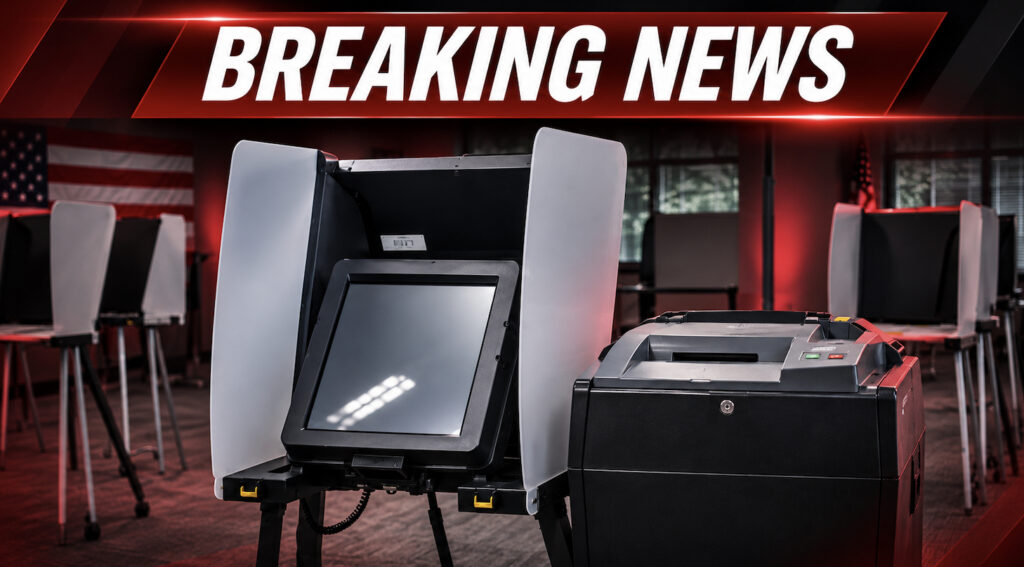
Voting machine malfunctions disrupted polling locations in multiple states during Tuesday’s midterm elections, prompting complaints from voters, emergency ballot procedures, and demands for an investigation. The most extensive reported disruption occurred in Westchester County, New York, where ballot scanners rejected completed ballots across numerous polling locations. Officials attributed the problem to a programming mismatch involving updated ballots, while county leadership announced plans for a bipartisan investigation into the failures.
- 🔥 Top Story: Trump Sounds Alarm on Election Scandal
- Most Viewed: Dead People Found on Voter Rolls
- Most Commented: Top Democrat Betrays Own Party Before Midterms
The controversy unfolded as Republicans and Democrats battled through unexpectedly competitive elections nationwide. In Florida, Republican Congressman Byron Donalds was projected to defeat Democrat David Jolly in the race to replace term-limited Governor Ron DeSantis. Donalds, endorsed by President Donald Trump, secured a historic victory to become Florida’s first Black governor. However, the contest was considerably closer than DeSantis’ nearly 20-point reelection victory in 2022, raising questions about the state’s political direction.
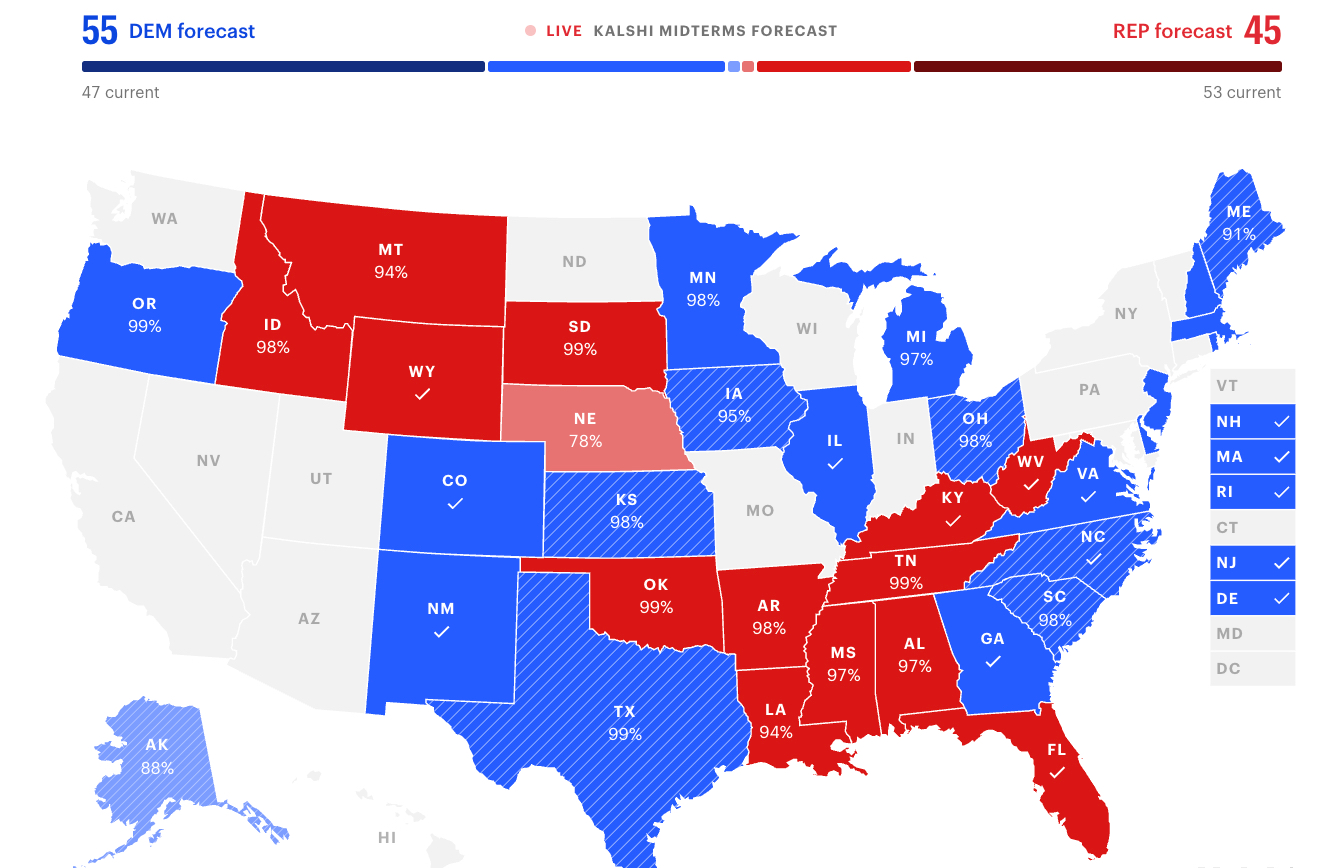
Meanwhile, Democrats reported a substantial early advantage in Texas, where state Representative James Talarico challenged Republican Attorney General Ken Paxton for a U.S. Senate seat. An early election-night snapshot showed Talarico leading with approximately 58.4% of the vote against Paxton’s 40.1%, although only about 30% of the expected vote had been counted. The figures were preliminary and did not establish a winner. A Democratic victory would represent a major political breakthrough in a state that last elected a Democrat to the U.S. Senate in 1988.
Back in New York, election officials confronted widespread scanner problems shortly after polling locations opened Tuesday morning. Machines were rejecting paper ballots, preventing voters from completing the usual electronic scanning process. The disruption affected polling sites throughout Westchester County, including areas involved in a competitive congressional election.
Republican Congressman Mike Lawler, whose district includes portions of the county, publicly raised concerns about the scale of the malfunction. Lawler reported problems involving every ballot scanner in Westchester County, drawing attention to the breakdown as officials worked to determine its cause.
The New York State Board of Elections subsequently identified a programming issue connected to a late change involving a municipal contest. Updated election software had been installed on certain equipment, but scanners elsewhere in the county continued operating with an earlier version that was incompatible with the ballots being distributed.
Consequently, the affected scanners could not recognize the completed ballots. State officials emphasized that the equipment rejected those ballots instead of improperly recording their contents, an important distinction in determining whether votes were accurately handled.
Westchester County Executive Ken Jenkins criticized the situation and characterized the disruption as an unacceptable failure. He announced that a bipartisan team would examine the decisions and circumstances responsible for the problems, including whether additional safeguards could have prevented them.
Jenkins described the incident as a “debacle” and called for accountability. His proposed review would focus on identifying the breakdowns that allowed the incompatible ballots and scanner programming to reach polling locations on Election Day.
As technicians addressed the problem, election workers implemented emergency procedures allowing voters to continue submitting paper ballots. Completed ballots were placed into secure containers under bipartisan supervision for counting once appropriate equipment or procedures became available.
State election authorities maintained that the affected ballots would remain eligible for counting. They also indicated that scanners were being restored or replaced as officials worked to resume normal tabulation procedures throughout the county.
The malfunction generated additional attention because Westchester County overlaps with New York’s competitive 17th Congressional District, where Lawler was seeking reelection. Delays in processing ballots raised concerns about how quickly complete results could be reported in a closely watched contest.
New York was not the only state reporting technical problems. In Florida’s Broward County, a malfunction involving a new voting-system safety feature delayed voting shortly after polling locations opened at 7 a.m. Tuesday.
Broward County Supervisor of Elections Joe Scott explained that the feature, designed to help verify voters received the proper ballots, was incorrectly flagging ballots during the check-in process. The problem created confusion and temporarily prevented some voters from proceeding normally.

Officials resolved the Broward County malfunction at approximately 7:20 a.m., about 20 minutes after polls opened. Scott apologized for the disruption and acknowledged that some voters had left their polling locations before casting ballots.
Election authorities encouraged affected residents to return and vote before the polls closed. Scott maintained that the malfunction had not resulted in voters receiving incorrect ballots, distinguishing the technical problem from allegations of fraudulent voting.
Additional interruptions occurred in North Carolina and Pennsylvania, where authorities extended voting hours at certain polling locations to compensate for technical delays. North Carolina’s election board also postponed the scheduled release of statewide results to accommodate the extended voting period.
Despite the disruptions, election officials reported that voting generally proceeded without widespread failures nationwide. In Westchester County, the announced bipartisan investigation is expected to examine how the programming mistake occurred and whether procedures should change. Officials have not established evidence that the scanner problems involved deliberate vote manipulation, but the incidents have renewed scrutiny of election equipment reliability, ballot preparation, and the safeguards intended to ensure every valid vote is counted.
Join the Conversation
Keep Reading
First Results of 2026 Midterms — GOP Records Early Victory
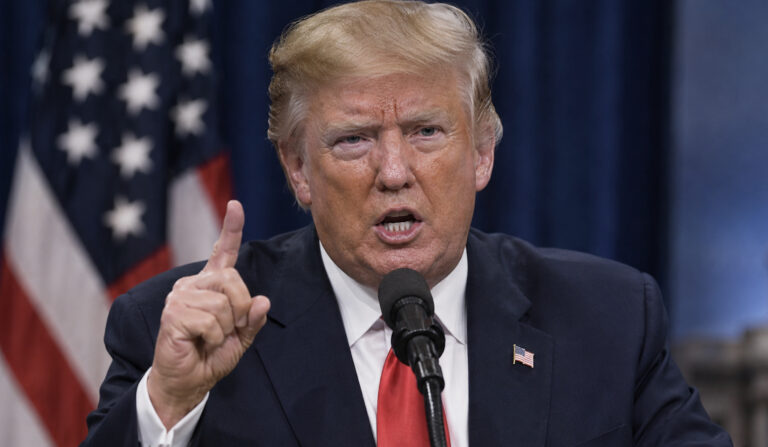
President Trump Sounds Alarm on Election Scandal
Nearly 10,000 Dead People Found on Active Registered Voter Rolls

New Poll Stuns Democrats: Paxton Holds Narrow Edge Over Talarico

Top Democrat Turns on Own Party Just Before Midterm Elections
Anti-Trump Plant Allegedly Threatens Mass Violence

Democrat Arrested 12 Days Before Midterms


Share your perspective and reply to other readers.
Free account required. You will stay on this page.