Trump Reveals His Plan for 2028 — Signals He May Stay Out of GOP Presidential Primary
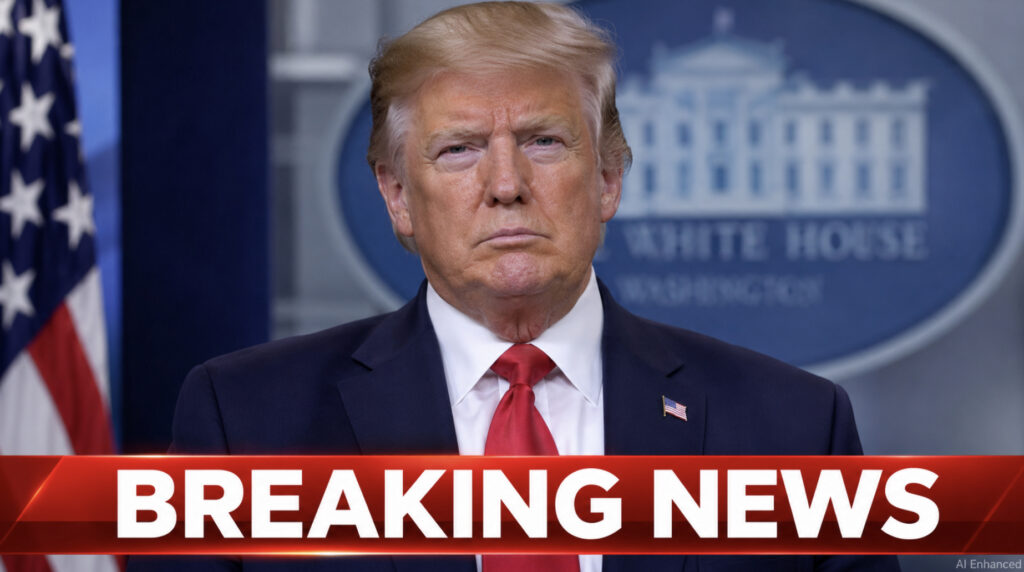
President Donald Trump has delivered a surprising message about the 2028 presidential election, suggesting he may stay out of the Republican primary rather than endorse a candidate to succeed him in the White House.
- 🚨 Top Story: Top Dem Faces Calls to Resign
- Most Viewed: Nancy Pelosi’s Husband Banned From Driving
- Most Commented: Trump Offers UFC Boss Major White House Job
- 🔥 New Photos: Sexy Conservative of the Day
The revelation comes as Republicans begin preparing for what could become a fierce battle over the future of the party, with several prominent conservatives positioning themselves as potential presidential contenders.
During an interview with CBS News’ “60 Minutes,” Trump was asked whether he intended to endorse a candidate in the 2028 Republican presidential primary. His response left the door open to an unexpected decision.
“Probably, not necessarily,” Trump responded, before explaining that he might ultimately decide against getting involved in the nomination contest.
“So I may or may not get involved,” Trump continued. “Maybe I’m better off not getting involved.”
The remarks represent a potentially significant development for Republicans hoping to secure Trump’s endorsement, which has remained one of the most influential political assets within the GOP.
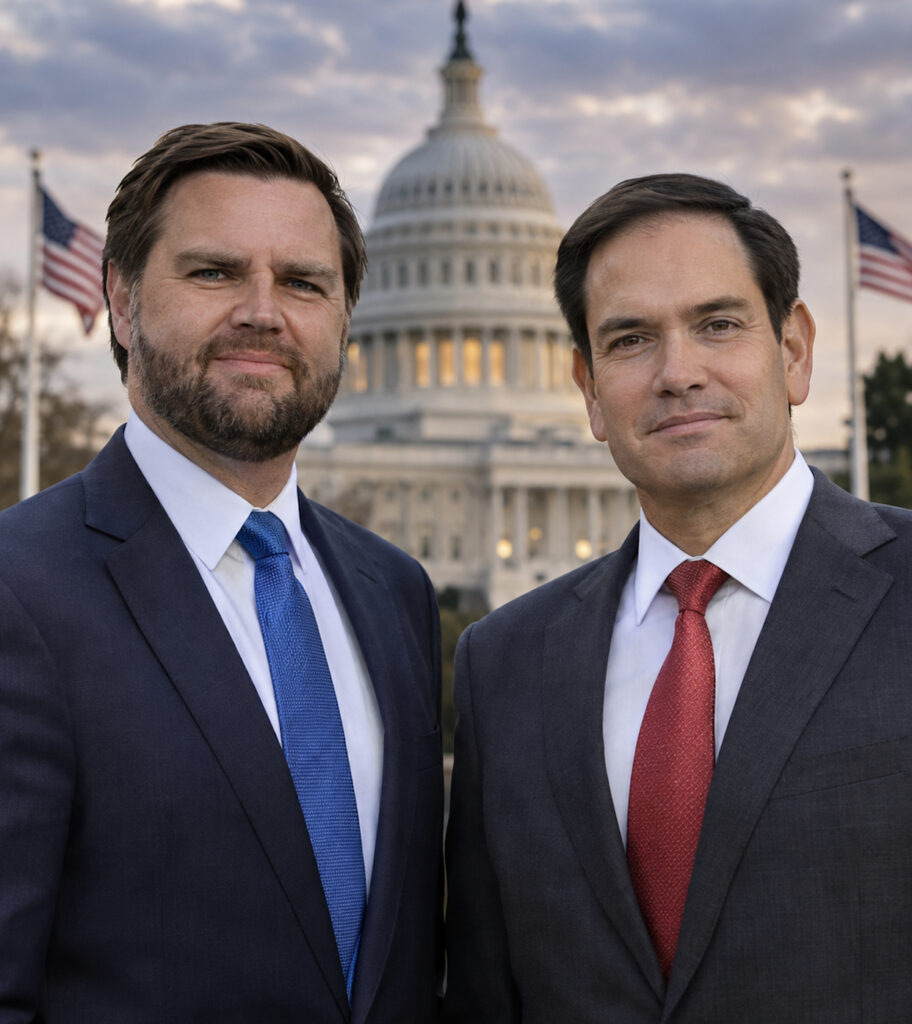
Vice President JD Vance has widely been considered a leading candidate to succeed Trump. However, the president’s latest comments suggest that Vance and other potential contenders may have to compete for the nomination without an early presidential endorsement.
Trump emphasized that Republicans have numerous qualified candidates capable of leading the party into the next presidential election.
“I think we have an unbelievable bench of talent,” Trump told Fox News during an election-night interview. “We have a great group of talented people that I think would do a very good job.”
Among the Republicans attracting attention are Vance, Secretary of State Marco Rubio, Florida Gov. Ron DeSantis, Texas Sen. Ted Cruz, and former Virginia Gov. Glenn Youngkin.
Vance enters the early conversation with several advantages, including his position as vice president, strong relationships within Trump’s political movement, and an established fundraising network. He also leads many early surveys of Republican presidential preferences.
Nevertheless, the political landscape has shifted following the 2026 midterm elections, when Republicans lost control of both the House of Representatives and the Senate. The defeats have raised questions about the party’s strategy and who should lead it into 2028.

Vance addressed the election results in a lengthy social media post, identifying the war with Iran as a factor in the Republican Party’s setbacks. His remarks fueled additional discussion about the direction of the conservative movement.
Rubio has also emerged as a prominent name in conversations about the Republican nomination. The former Florida senator previously sought the presidency in 2016 and has gained attention for his work in the Trump administration.
Despite growing speculation, Rubio has publicly attempted to distance himself from discussions about 2028. During a recent appearance in France, he told reporters that he would no longer entertain questions about the next presidential election.
“I’m not going to talk about 2028 any longer,” Rubio said. “I’m just not going to talk about 2028 anymore.”
Meanwhile, DeSantis and Cruz remain potential contenders, and Youngkin has continued promoting education policy through his national advocacy organization. Their presence underscores the possibility of a crowded Republican primary.
Trump has previously expressed admiration for both Vance and Rubio, but he has declined to publicly settle the question of who should inherit leadership of his political movement. His latest statements indicate that he may prefer to allow Republican voters to make that decision themselves.
With the 2028 presidential election approaching, Trump’s decision could dramatically influence the Republican nomination process. Whether he eventually endorses a successor or remains on the sidelines, the contest to determine the future of the GOP is already beginning to take shape.
Join the Conversation
Keep Reading
Trump Cabinet Official Faces IMPEACHMENT Vote

SNL Writer’s Sister Murdered
GOP Leadership Faces REVOLT
Hegseth Explodes Over Impeachment Threat
Trump Torches ‘Loser’ CNN Reporter
Trump Faces 3rd Impeachment Threat
Dave Chappelle Sparks OUTRAGE with Charlie Kirk Joke
Share your perspective and reply to other readers.
Free account required. You will stay on this page.