GOP Leadership Faces REVOLT
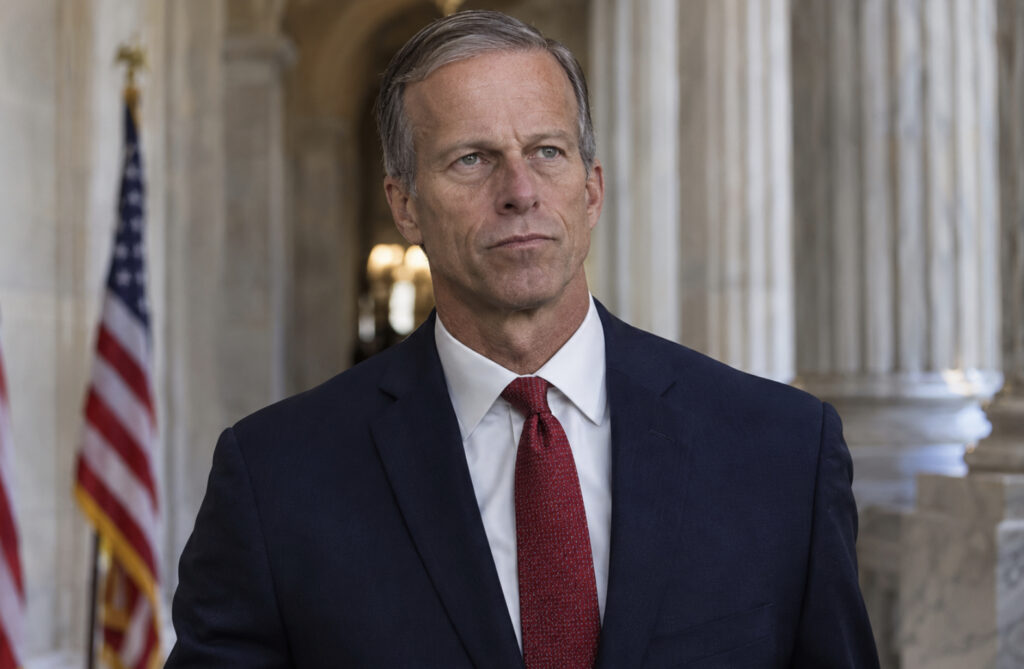
Sen. Rick Scott, R-Fla., is withholding support for Sen. John Thune’s reelection as Senate Republican leader and wants candidates to present specific plans for passing remaining agenda items before Democrats take the majority in January. Scott and several other Republicans have called for delaying Tuesday’s leadership elections so the conference can debrief after the midterm losses.
“I don’t want to put the cart before the horse,” Scott told Fox News. “I mean, I think the first step is what do we want to accomplish? And then anybody, including John Thune, if they want to be that, the first thing I have to say is, ‘Do they want to do that?’” He listed priorities including a balanced budget, a stock-trading ban for lawmakers, permitting reform, the National Defense Authorization Act, and the SAVE America Act.
Thune has said he is running and expects a “very engaged conversation.” Democrats flipped the Senate and will hold at least 54 seats, leaving Republicans limited time with unified government. Scott, Ron Johnson, Ted Budd, John Kennedy, Mike Lee, and others signed a letter requesting a meeting and delay; Jim Banks and Dave McCormick also supported delaying the vote.
Scott has no interest in running for leader himself after previous unsuccessful bids. He said any candidate should explain why they are best positioned to deliver the listed priorities. “Back home, they don’t care about anything other than do we make their lives better,” he added.
The push for a delay reflects frustration over the scale of the midterm losses and a desire to align on an agenda before selecting leadership. Thune remains the only announced candidate. The outcome will determine whether the conference proceeds with the scheduled vote or first holds the broader discussion Scott and others have requested.
Republicans face a short lame-duck window to advance legislation before the new Democratic majority organizes. Scott’s conditions center on concrete plans for that window rather than general statements of intent. The letter from multiple senators formalizes the request for a pre-election meeting.
Thune’s public comments indicate he intends to proceed with the leadership process while remaining open to discussion. The tension is between those who want an immediate vote and those who want a debrief first. No alternative candidate has entered the race.
Scott’s prior challenges to leadership give his current stance additional weight inside the conference. He is framing the decision around results and specific deliverables rather than personal loyalty. The midterm outcome has amplified calls for that kind of accountability.
The listed legislative items—budget, stock-trading ban, permitting, NDAA, and SAVE America Act—represent unfinished business from the current Congress. Passing any of them in the lame-duck period would require rapid coordination. Scott is asking prospective leaders to demonstrate how they would achieve that coordination.
The size of the Democratic Senate majority reduces Republican leverage after January. That reality is driving the urgency among members who want action now. The leadership election is the first formal test of how the conference responds to the losses.
Join the Conversation
Keep Reading
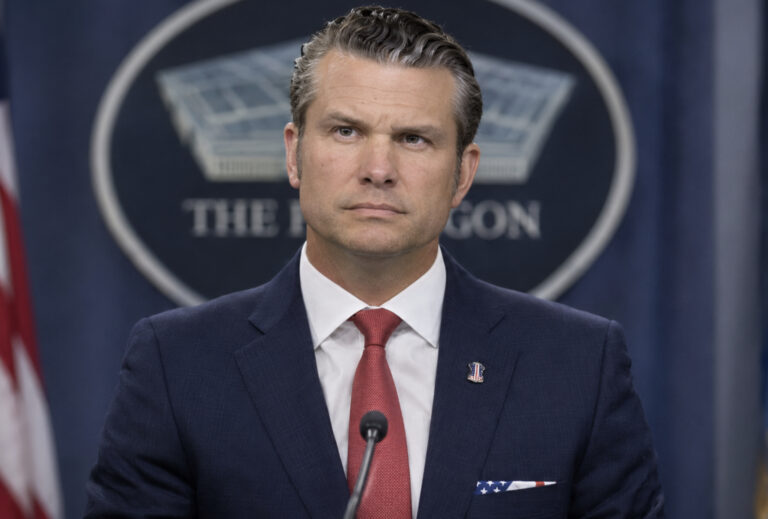
Trump Cabinet Official Faces IMPEACHMENT Vote

SNL Writer’s Sister Murdered
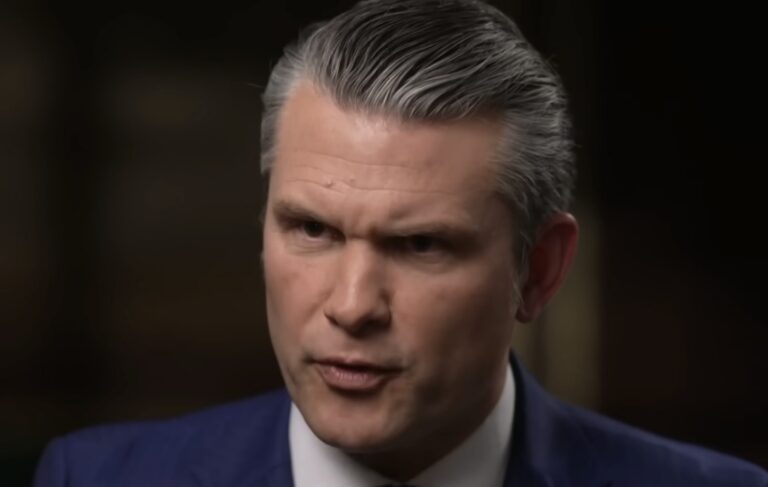
Hegseth Explodes Over Impeachment Threat
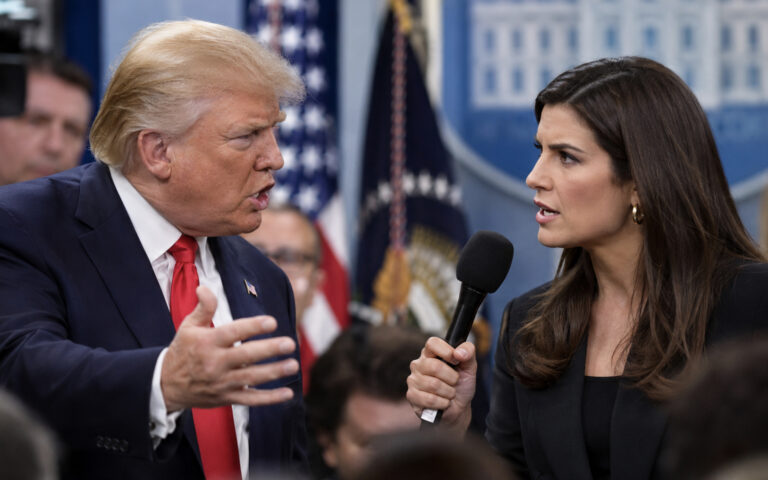
Trump Torches ‘Loser’ CNN Reporter
Trump Faces 3rd Impeachment Threat
Dave Chappelle Sparks OUTRAGE with Charlie Kirk Joke
Top Democrat Breaks Ranks on ICE
Share your perspective and reply to other readers.
Free account required. You will stay on this page.