
Michelle Obama Makes Major Move After Midterms
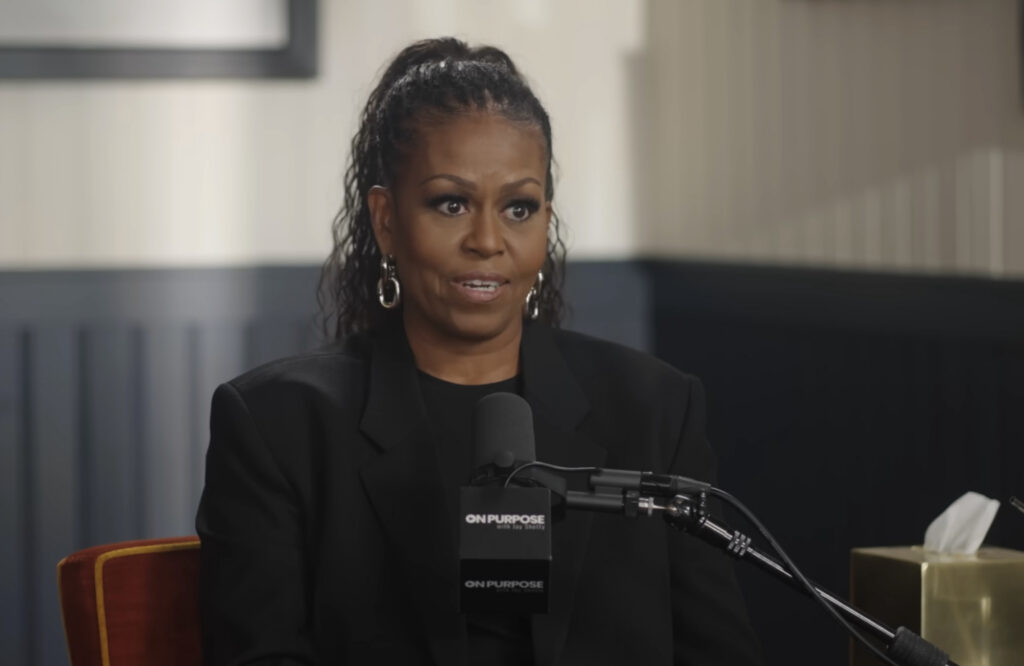
Former First Lady Michelle Obama is speaking out after the recent midterms and criticizing the Trump administration. She specifically discusses White House renovations under Trump. In a recent essay, Obama praised former First Lady Jacqueline Kennedy for her efforts to preserve the White House’s historic character, emphasizing the importance of respecting the building’s legacy.
- 🔥 Top Story: Joe Biden’s Health Reaches Breaking Point
- Most Viewed: Hegseth Explodes Over Impeachment Threat
- Most Commented: GOP Leadership Faces REVOLT
- Photos: Conservative Babe of the Day
There has been some public support for Michelle Obama potentially running for president, particularly among Democrats who see her as a popular, nationally recognized figure capable of uniting the party. Supporters have encouraged her to run, but Michelle Obama has consistently rejected the idea.
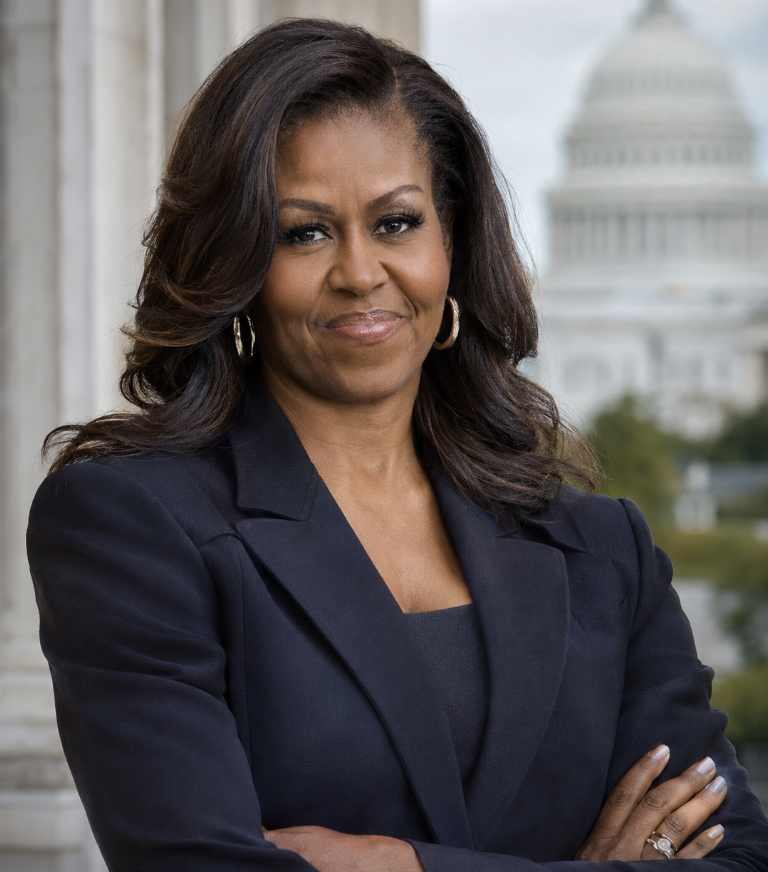
A July 2024 Reuters/Ipsos poll found that Michelle Obama would defeat Trump in a hypothetical presidential matchup at 50% to 39%. A November 2025 YouGov survey found that 40% of Americans thought Michelle Obama could have been or could be a good president.
Although Obama never directly mentioned President Trump or First Lady Melania Trump, her comments drew attention because of the extensive renovations underway at the White House during Trump’s second term. Critics viewed her remarks as a thinly veiled criticism of the Trump administration’s approach to updating the historic presidential residence.
The essay focuses on Kennedy’s restoration efforts, her creation of the White House Fine Arts Committee and Historical Association, and her insistence that items have a historical reason for being present. Obama also credited later first ladies including Nancy Reagan, Pat Nixon, Hillary Clinton, Laura Bush, and Jill Biden for preservation work. She recalled her own renovation of the Old Family Dining Room as following established processes with historians and designers.
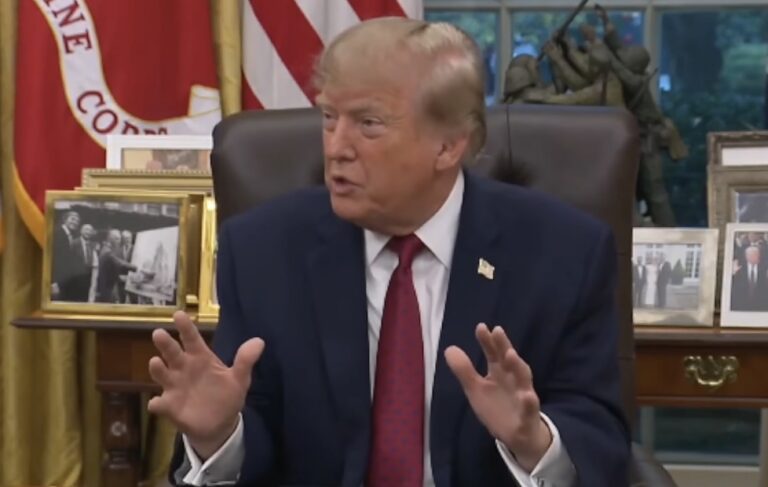
The piece has been widely read as an implicit critique of changes made during the current administration, including extensive gold detailing in the Oval Office, alterations to the Rose Garden, and construction of a large new ballroom that involved demolition of the East Wing. Obama did not name Trump or Melania Trump. The ballroom project was announced as privately financed at roughly $200 million and designed to host large state events without temporary tents.
Kennedy is quoted in the essay as saying, “Everything in the White House must have a reason for being there. It would be sacrilege merely to ‘redecorate’ it — a word I hate. It must be restored.” Obama echoed the view that the building’s enduring character outlasts any single administration. The essay places her comments in the context of a longer tradition of first-family stewardship rather than a direct political attack.
Trump has described the ballroom as fulfilling a long-standing need and noted that it is being funded without taxpayer money. White House officials have said the design is intended to complement the existing architecture. The contrast drawn in Obama’s essay centers on process and historical sensitivity versus more visible contemporary alterations.
The “In Pursuit” project frames the essay as a contribution to the 250th-anniversary reflection. Obama’s choice to focus on Kennedy’s restoration rather than her own tenure keeps the emphasis on institutional continuity. The absence of any direct reference to current renovations has not prevented readers from drawing the comparison.

Previous first ladies’ efforts are presented as collaborative with preservation experts. Obama’s account of the Old Family Dining Room renovation follows that model. The essay treats those steps as the norm across party lines.
The East Wing demolition and ballroom construction represent a larger-scale change than most prior updates. That scale is what has made the project a point of public discussion. Obama’s language about not receiving “the deed” to the property speaks to the temporary nature of occupancy.
The essay does not propose specific reversals or new policies. It offers a historical perspective on how first families have approached the building. The timing, months after major construction began, places it in the ongoing conversation about the renovations.
Kennedy’s quoted distaste for the word “redecorate” is used to underscore a restoration mindset. Obama applies that standard to the broader tradition she describes. The piece functions as both historical appreciation and a statement of principle about stewardship.
Public reaction has treated the essay as commentary on the current changes even without explicit names. That interpretation rests on the contrast between the described historical approach and the visible projects underway. Obama has not issued additional statements clarifying or expanding on the essay.
The 250th-anniversary context gives the piece a ceremonial framing. Within that framing, the emphasis remains on continuity and restraint. The practical effect is a public reminder of earlier standards for altering the White House.
Join the Conversation
Keep Reading
Trump Cabinet Official Faces IMPEACHMENT Vote

SNL Writer’s Sister Murdered
GOP Leadership Faces REVOLT
Hegseth Explodes Over Impeachment Threat
Trump Torches ‘Loser’ CNN Reporter
Trump Faces 3rd Impeachment Threat
Dave Chappelle Sparks OUTRAGE with Charlie Kirk Joke
Top Democrat Breaks Ranks on ICE
Share your perspective and reply to other readers.
Free account required. You will stay on this page.