Fox News Personality Infuriates Fans with Attacks on Trump
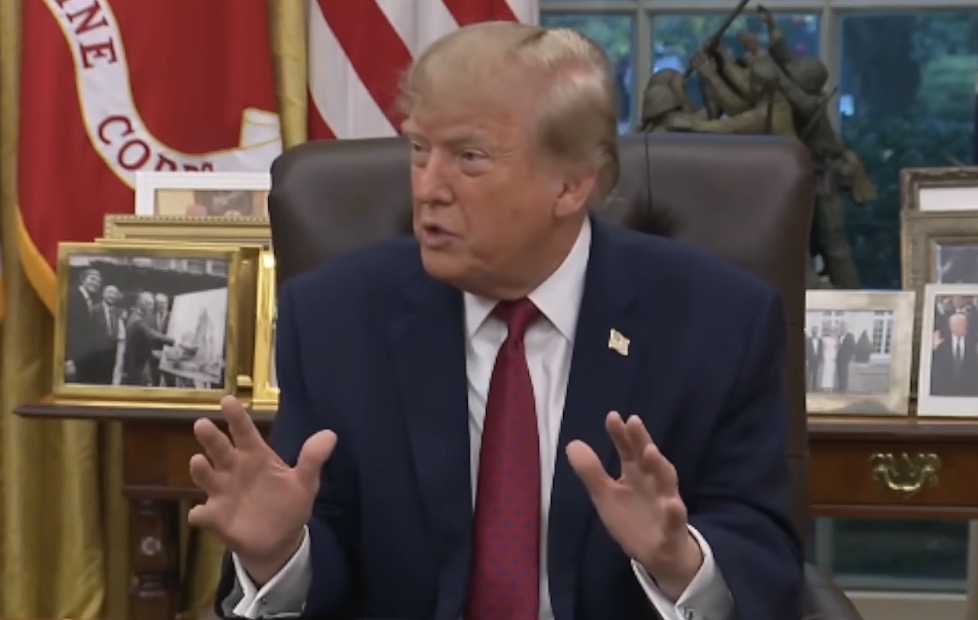
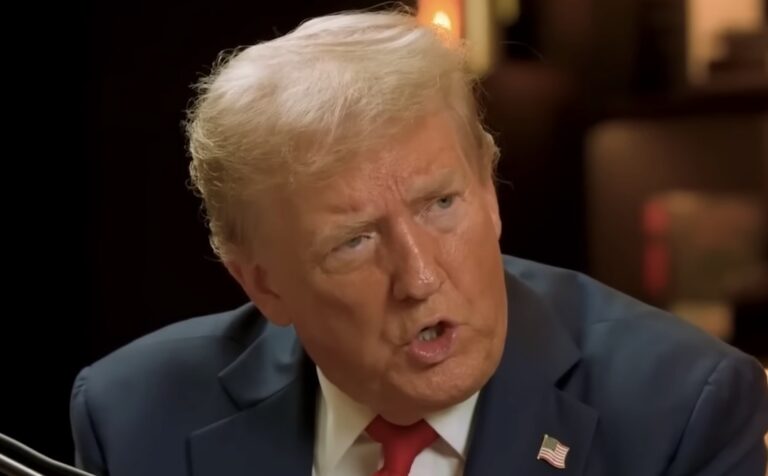
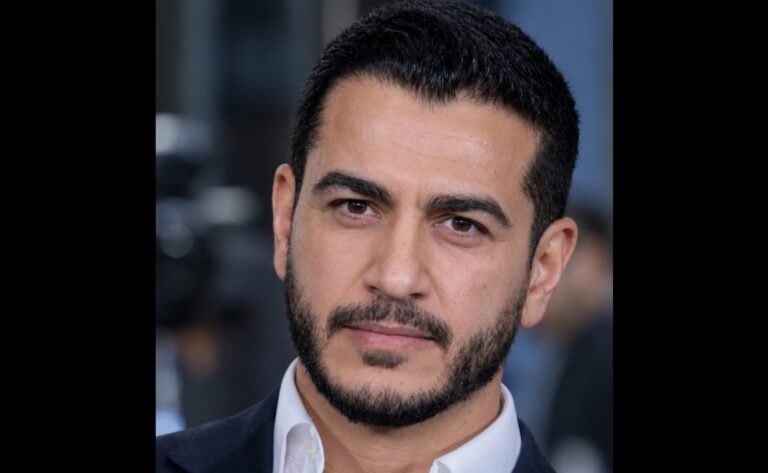
Longtime Fox News contributor Marc Thiessen has drawn criticism from conservatives after President Trump acknowledged that the Iran war and rising gasoline prices contributed to Republican midterm losses. Trump made the remarks in his “60 Minutes” interview. Vice President JD Vance had earlier blamed the conflict for the results, arguing that voters wanted an end to overseas fighting and relief from costs. Trump agreed that the war and higher gas prices hurt candidates while defending the decision to prevent Iran from obtaining nuclear weapons.
Thiessen had previously predicted that the conflict would become a political asset for Republicans. In a May 2026 appearance he said Trump should campaign on the war, point out Democratic opposition, and that it would be “a winner for Donald Trump in the midterm elections.” That clip was resurfaced after the losses. Sean Davis of The Federalist tagged Thiessen and Mark Levin, writing that he looked forward to their reaction now that Trump had stated the obvious about the election.
Donald Trump Jr. and Mollie Hemingway pushed back against claims that Trump had criticized Vance. They argued that the full interview showed Trump agreeing with the vice president’s assessment of the war’s impact while distinguishing it from his own view that the military action was still correct. Hemingway said Trump explained that some people were unhappy with Vance’s comments but that he was not among them.
The exchange has highlighted a divide among conservative commentators. Some who supported the war as a campaign strength now face the reality that Trump and Vance both described it as a liability. Thiessen’s earlier optimism is the specific point of criticism. The resurfaced May comments show him urging Trump to center the conflict in the midterms.
Trump has maintained that he would make the same decision again. The political cost is acknowledged separately from the national-security judgment. That distinction is what critics say Thiessen and others understated. The midterm results have made the distinction harder to ignore.
Gasoline prices rose during the conflict and became a frequent voter complaint. Exit polls showed mixed views on the war itself, with some Republican voters supportive and others focused on costs. Vance’s post-election analysis placed the war at the center of the losses. Trump’s interview confirmed the electoral damage without retracting the underlying decision.
The criticism of Thiessen is part of a larger post-election reckoning inside conservative media. Figures who predicted a political benefit from the Iran operations are now being asked to reconcile those predictions with the outcome. The May clip provides a clear before-and-after contrast.
No direct response from Thiessen to the latest wave of criticism has been widely reported. His earlier comments on Vance’s statement described the vice president’s remarks as missing a full-throated defense of the decision. That framing has itself become part of the dispute.
The midterms produced Democratic majorities in both chambers. Multiple factors contributed, but the war and gas prices have been singled out by both Trump and Vance. The focus on those issues has intensified scrutiny of commentators who treated the conflict as an electoral advantage.
Conservative radio host Mark Levin was also tagged in some of the critical posts. The pairing of Thiessen and Levin reflects their shared support for a hard line on Iran. The election results have tested that position against voter reaction at home.
The full “60 Minutes” interview contains Trump’s most extended public comments on the midterms. Edited clips circulated quickly and produced competing interpretations. Calls for the complete exchange have come from Trump’s son and from Hemingway. Those calls aim to show agreement rather than criticism of Vance.
Thiessen’s role as a longtime Fox contributor has made the backlash particularly visible. The network has hosted extensive debate over the war’s political effects. The current round of criticism treats earlier optimistic predictions as the problem.
Republicans are examining multiple causes for the losses. The Iran war is one element that both the president and vice president have highlighted. Commentators who downplayed the domestic political risk are now facing that record.
The episode shows how quickly pre-election analysis can be revisited once results are known. Thiessen’s May comments were standard for supporters of the operation at the time. The post-election environment has changed the reception of those same words.
As the party assesses its next steps, the divide over foreign-policy costs versus security benefits remains active. Thiessen’s public record on the issue is now part of that assessment. The criticism centers on the gap between the prediction and the outcome.
Join the Conversation
Keep Reading
Trump Faces 3rd Impeachment Threat
Dave Chappelle Sparks OUTRAGE with Charlie Kirk Joke
Top Democrat Breaks Ranks on ICE
Russell Brand Learns His Prison Sentence
GOP Wins Crucial Swing District
Hegseth Responds to Calls to Resign
Top Trump Official Resigns
Share your perspective and reply to other readers.
Free account required. You will stay on this page.