
SpaceX Makes History
SpaceX put Starship into Earth orbit for the first time on September 28, then brought the ship home early. Flight 14 lifted off from Starbase, Texas, at 7:48 a.m. Central. About 26 minutes later, Mission Control said the words the program had been chasing through 13 earlier tests: “Starship is orbital.”
The plan had been a roughly 10-hour flight and six trips around the planet, ending with a splashdown in the South Pacific. Controllers cut that to about three hours after an engine problem on the way up. The ship still did two things no previous Starship had done: it stayed in orbit, and it deployed a real payload.
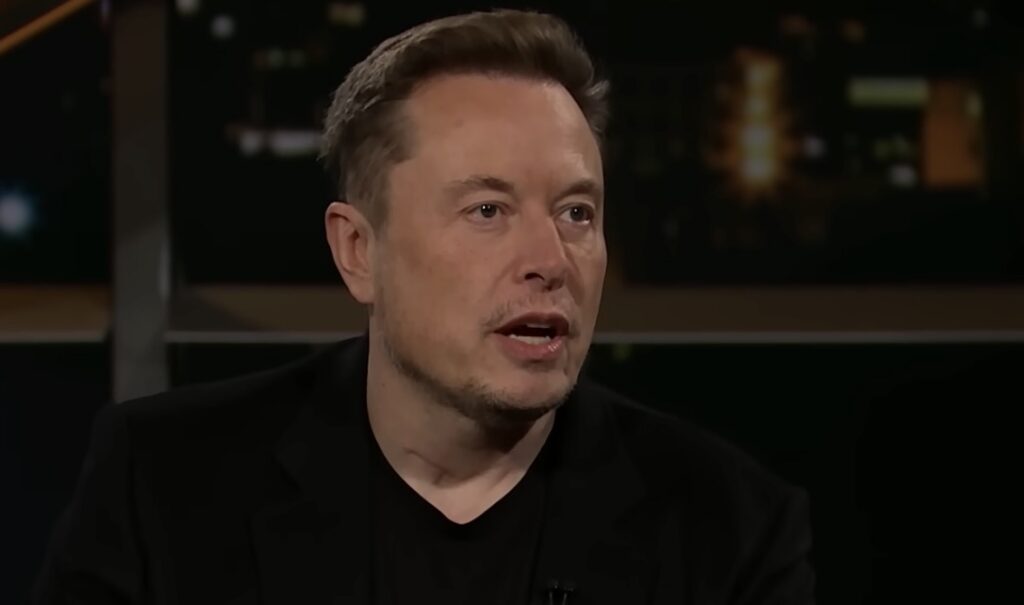
That payload was 26 Starlink V3 satellites. SpaceX later said the birds were healthy. Elon Musk wrote that the Starlink V3s were “operational and operating.” Three of the satellites carried cameras aimed at the heat shield, a flying inspection system for a vehicle NASA eventually wants to land on the Moon.
The ascent was not clean. One Super Heavy engine shut down early. One of Ship 41’s vacuum engines also dropped out. After a pause to look at the remaining sea-level Raptors, the team gave a “go” for an insertion burn on a single engine and took the orbit anyway.
Once the satellites were away, caution won. SpaceX deorbited over a pre-cleared patch of the northern Pacific near Hawaii rather than press on through six revolutions with a wounded propulsion system. The ship lit a Raptor for its first deorbit burn, survived reentry, then fired three engines for a landing flip and a tail-first splashdown.
Video after water impact showed the usual end for an unrecovered prototype: the vehicle tipped, residual propellant flashed, and the ship was gone. The Super Heavy booster had already finished a controlled splashdown in the Gulf of Mexico after a simulated landing burn.
Every Starship flight so far has been uncrewed. NASA is still counting on a later version as a human lunar lander. Musk’s longer map is a fleet that can send people to Mars. None of that works if the vehicle cannot first make orbit, deploy mass, and come back through the atmosphere in one piece.
Flight 14 did not complete the full timeline. It did close the largest open box on the test card. A suborbital hopper became an orbital launcher that put working satellites on orbit and then aimed itself at a splashdown zone on purpose.
SpaceX called it the first orbital flight and the first “meaningful payload” run. The FAA had licensed the launch and reentry only days earlier. The next vehicles will be judged against this one: not whether they leave the pad, but whether they can stay up, do work, and come home without improvising the ending.
History here is specific. Starship has orbited Earth. The 10-hour, six-lap dress rehearsal is still in the future. The milestone that mattered on Monday already happened when Mission Control said the ship was orbital and the Starlinks came off the rack.
Join the Conversation
Keep Reading


Nicki Minaj Takes Aim at Democrats


Trump Signs Executive Order on AI




Kristi Noem Breaks Silence on Marriage Drama


Then vs. Now: ‘Saved by the Bell’ Stars
‘Saved by the Bell’ Star Dead at 75

Share your perspective and reply to other readers.
Free account required. You will stay on this page.