
Prince Harry Reveals Mental Health Battle with Depression
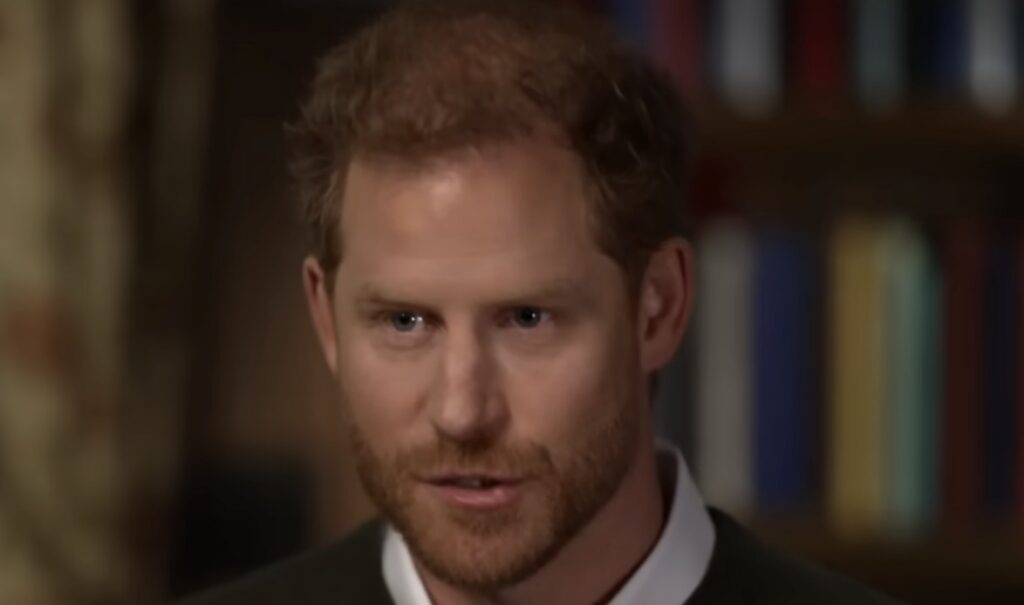
Prince Harry, the Duke of Sussex, has detailed a period of depression that followed his departure from royal duties and his relocation to Canada with Meghan Markle and their son Archie in 2019.
He discussed the experience in a MasterClass session focused on grief, resilience, and the lasting effects of losing his mother, Princess Diana, who died in a car crash in Paris in 1997 when Harry was 12.
Harry attributed the struggles to years of royal obligations, unresolved grief, and chronic stress that left him operating on adrenaline. He said, “You would think I had the best help in the world. I’m a prince, for God’s sake, but I was still grieving and didn’t have any place to put those feelings,” explaining that he carried the emotions for “15 or 20 years.”
After moving to Canada for space and time to reflect, he experienced a sudden adrenaline crash within two or three days, describing it as “unlike anything I’d ever felt before.” He added, “It was as though I needed stress for my brain to function. I became useless around the house. I slipped into depression for about two weeks and felt like I couldn’t function without adrenaline.”
Reflecting on Diana’s death, Harry said he barely cried for years, noting, “I didn’t cry when I was told my mum died, only at her burial, and then not again for nearly two decades.” He described the numbness as feeling disloyal and guilty about the possibility of happiness without her.
He explained, “I was convinced that was strength, but it wasn’t. It was a 12-year-old boy with no permission to fall apart and no roadmap for how to heal. I’d spent so long emotionally numb because I felt disloyal and guilty at the possibility of being happy without her. I felt I had to stay sad and emotionally shut down to prove I missed her.”
For much of his life, when asked if he was okay, his response was “I’m fine,” which he now recognizes as numbness and emotional shutdown.
Harry credited therapy with helping him confront buried emotions. One therapist suggested using Diana’s perfume to trigger memories, which he called transformative: “It was like being transported to another time. It unlocked everything that had been locked away. Spraying my mother’s scent was almost like knocking certain bricks through so that I could see through and certain memories and experiences could start seeping back.”
Therapy shifted his perspective on happiness. He realized, “The reality is that what I discovered was that she just wanted me to be happy. That was a huge mental shift for me. It freed me and gave me a completely different outlook on life.”
His military service at age 20 provided an outlet for adrenaline and avoidance, which he called “the perfect distraction.” Deployment to Afghanistan surfaced additional traumas: “The things I saw and experienced appeared to trigger other traumas that had been stored within me.”
Harry said his current stability comes from his family, particularly his children and work: “The biggest factor for me is the energy, joy and happiness I get from being with my family, especially our children, and from being on the ground doing my work. The key to maintaining that balance is spending no more than ten days away from my wife and kids.”
He advocates for mental health treatment, including psychedelic-assisted therapy, stating, “To combine conventional therapy with modern day medicines breaks down those walls and those barriers to be able to open yourself up and go deeper than you would ever dare to go. Psychedelic assisted therapy is no longer a fringe idea or thought. It’s really becoming, I think, mainstream.”
Join the Conversation
Keep Reading

Federal Agents Raid Ilhan Omar’s DC Home
Trump Snubbed for Nobel Peace Prize — Winner Revealed

Mamdani Erupts on ICE for Shooting Illegal Gangbanger
Share your perspective and reply to other readers.
Free account required. You will stay on this page.