President Trump Announces New Plan To Fight Fraud
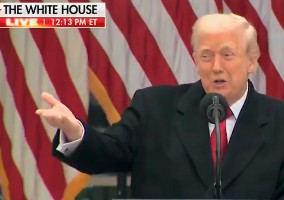
This sounds absolutely amazing. WATCH:
Background Info: President Donald Trump has announced a new $25 million federal initiative designed to combat fraud involving taxpayer-funded programs, offering financial rewards to Americans who help expose criminal activity. The announcement, made alongside Vice President JD Vance on October 20, introduces a new approach to identifying suspected fraud and encouraging ordinary citizens to assist federal investigators.
The initiative, called the Fraud Whistleblower Incentive Program (WHIP), will be administered by the Department of Justice and its National Fraud Enforcement Division. Under the program, individuals who provide credible information leading to qualifying federal criminal charges may receive rewards ranging from $10,000 to $30,000. Trump also discussed potentially larger percentage-based payments tied to the amount of fraud uncovered.
Speaking from the Oval Office, Trump described the program as an important expansion of his administration’s campaign against corruption, government waste, and the misuse of public assistance programs.
“This is so big and so important, and there’s never been anything like it,” Trump said while introducing the initiative.
The president explained that Americans will be encouraged to report suspected fraud through Fraud.gov, a government website intended to connect citizens with federal anti-fraud efforts. The administration hopes financial incentives will encourage individuals with firsthand knowledge of misconduct to come forward.
Trump also proposed offering whistleblowers a commission equal to 1% of certain amounts of fraud uncovered. However, the Justice Department’s published rules for the newly announced pilot program currently establish payments of $10,000 to $30,000, and the president’s broader commission proposal is not part of those published award terms.
Vice President Vance, who oversees the administration’s anti-fraud task force, said the initiative grew out of discussions with Trump about how to involve the American public in protecting federal resources.
Vance argued that individuals who help uncover fraud deserve recognition and compensation, particularly when their information assists investigators in protecting programs intended for vulnerable Americans.
Attorney General Todd Blanche also endorsed the initiative, emphasizing that public participation could help investigators identify misconduct that might otherwise go undetected. “Protecting the American people from fraud remains a top priority for the Department of Justice,” Blanche said.
Unlike many existing federal whistleblower programs, the new initiative is designed to provide eligible rewards earlier in the criminal justice process. Payments can be authorized after qualifying criminal charges are made public, rather than requiring whistleblowers to wait for a final conviction, settlement, or recovery of government funds.
Federal officials explained that the program will focus on credible information involving designated categories of fraud. Submitting a complaint does not automatically qualify someone for compensation, and the Justice Department will evaluate tips under established eligibility requirements.
The announcement follows months of heightened federal scrutiny involving public assistance programs, including Medicare, Medicaid, food assistance, and other taxpayer-supported services. Administration officials have identified preventing improper payments and prosecuting organized fraud schemes as major priorities.
Trump also highlighted the work of independent journalist Nick Shirley, whose investigations into suspected misuse of public funds in Minnesota attracted national attention. The administration praised Shirley’s reporting, although allegations involving individual facilities and organizations must be evaluated separately based on verified evidence.
The president suggested that professional journalists could also participate in the reward initiative if their reporting provides qualifying information to investigators. He acknowledged that participation could depend on applicable laws, program rules, and the policies of individual news organizations.
During the announcement, Trump raised the possibility of personally resolving disputes when multiple individuals claim responsibility for uncovering the same alleged fraud. He said he wanted rewards distributed fairly and without unnecessary delays, although the Justice Department’s formal rules govern eligibility and payment decisions.
The broader anti-fraud campaign also includes proposals for stronger penalties against individuals convicted of benefits fraud. Administration officials have discussed mandatory minimum sentences and potential civil liability for state officials who knowingly fail to address certain fraudulent activities. Those proposals would require congressional action before becoming law.
Supporters of the initiative argue that financial rewards could encourage more whistleblowers to share valuable information and help protect funding for Americans who legitimately depend on government assistance. The program’s effectiveness, however, will depend on the quality of incoming tips, the government’s ability to investigate them, and safeguards against unsupported accusations.
The Justice Department has established an initial three-year term for its criminal tip rewards pilot program. As the administration begins implementing the initiative, federal officials will be tasked with evaluating reports, pursuing qualifying cases, and determining which whistleblowers meet the requirements for compensation. Trump and Vance have presented the effort as another step toward reducing fraud and ensuring taxpayer dollars reach their intended recipients.
Join the Conversation
Keep Reading
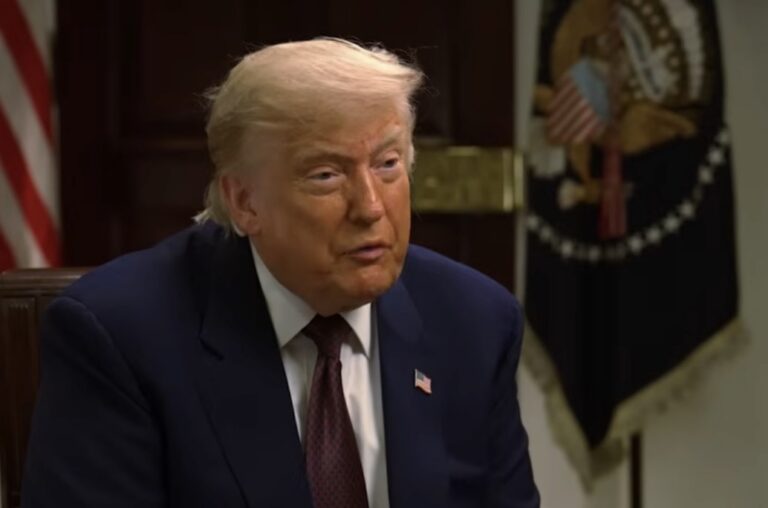
Trump Secures Release of American Imprisoned in Russia
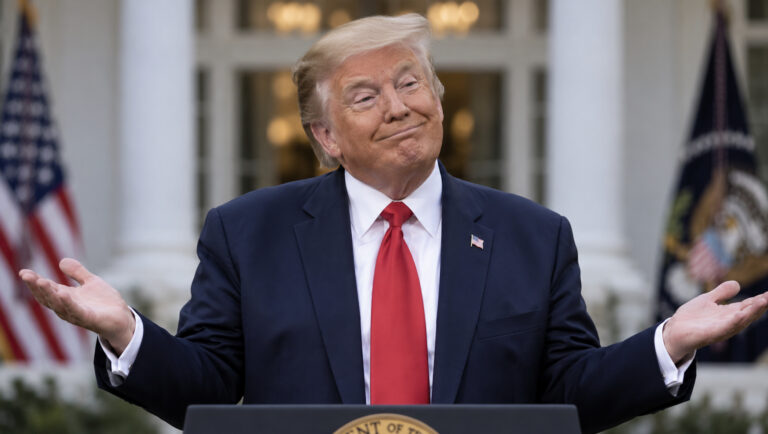
Americans Who Fled Trump Now Regret Moving to Europe
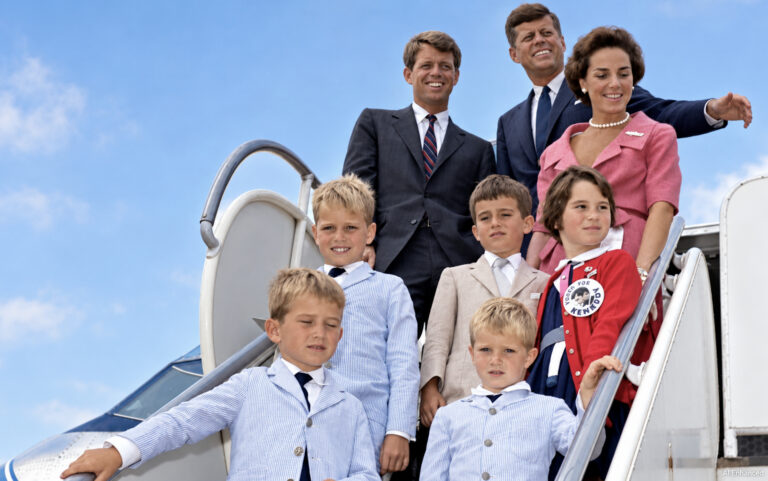
Kennedy Family Member Dies at 42
Prominent Democrat DA Faces Federal Grand Jury Investigation
Prominent Democrat DA Faces Federal Grand Jury Investigation
Trump Renews Push to Rename New Mexico ‘New America’
Trump Renews Push to Rename New Mexico ‘New America’
Bush Daughter Donates to Texas Democrat James Talarico
Share your perspective and reply to other readers.
Free account required. You will stay on this page.