
Americans Who Fled Trump Now Regret Moving to Europe
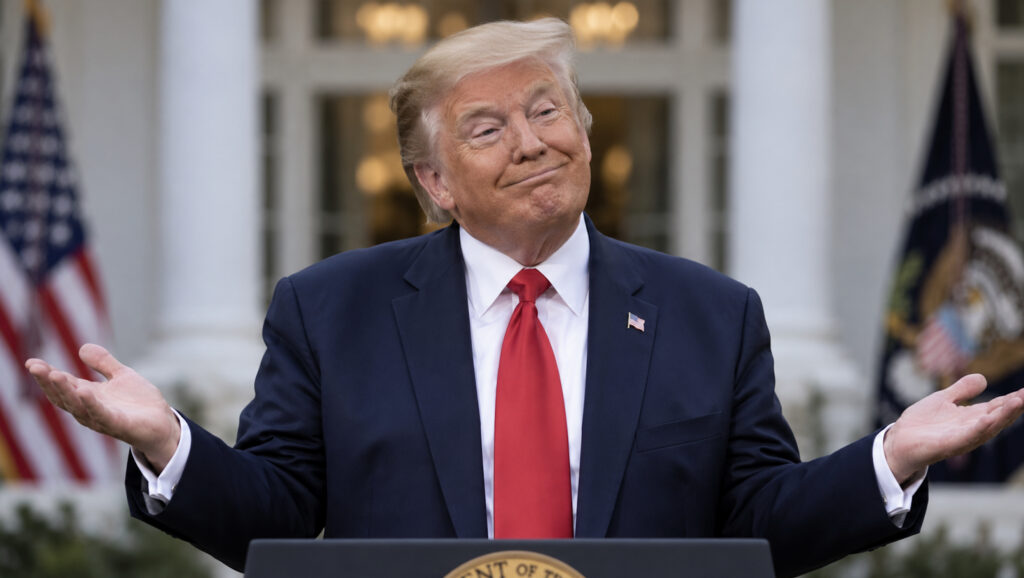
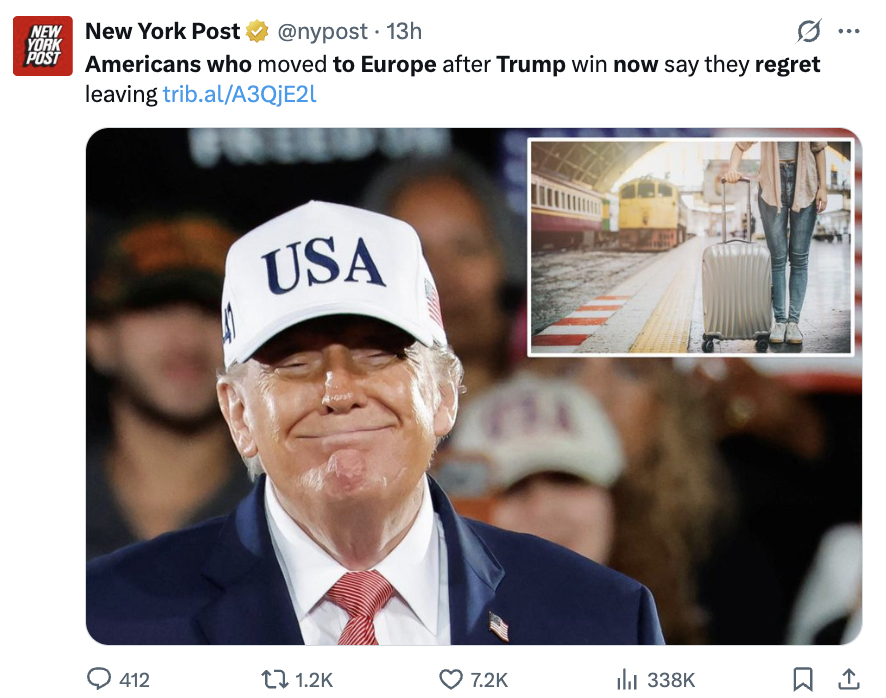
Americans who moved overseas following President Donald Trump’s reelection are now expressing regret, saying life in Europe has proven far more difficult than they anticipated. Complaints about high taxes, healthcare expenses, limited job opportunities, and cultural differences have prompted some expatriates to reconsider their decision to leave the United States.
A recent report from Wired examined the experiences of Americans who relocated to Europe, including individuals motivated by opposition to Trump’s return to the White House. Several described discovering that European countries did not necessarily offer the affordable, comfortable lifestyles they had envisioned.
The findings challenge popular assumptions about European living standards, particularly regarding government-funded healthcare, employment opportunities, and household expenses. Some Americans also reported developing a greater appreciation for freedoms, conveniences, and cultural values they previously took for granted.
One American woman identified as Annie described moving to the United Kingdom after developing an idealized impression of British life through social media. However, her experience quickly exposed differences between her expectations and everyday reality.
“There are huge misconceptions about access to quality healthcare, standard of living… the quality of life is significantly lower than in the U.S.,” Annie told Wired.
She explained that ordinary American household conveniences, including dishwashers and dryers, can be considered luxury items in certain British living situations.
Healthcare expenses were another major disappointment. Although Annie initially expected Britain’s National Health Service to provide care without significant personal expense, she discovered that taxes and immigration-related charges created substantial financial obligations.
“So no, the health care is not free here,” she said.
Annie also described encountering unexpected hostility toward Americans, including criticism of her accent and cultural background in professional settings.
“I found it particularly surprising how people feel so comfortable mocking my accent and culture, even in a workplace environment,” she explained.
Another American expatriate, journalist and consultant Sarah Wood González, said living abroad helped her recognize positive aspects of American professional culture, including its emphasis on collaboration, initiative, and faster decision-making.
Josh, an American who relocated to Germany, similarly struggled with employment opportunities, government bureaucracy, and social integration. He eventually returned to the United States after determining that his new environment did not meet his expectations.
“Finding work was so hard, and the endless bureaucracy had grown worse since I’d left,” Josh told Wired.
He also recalled missing the “friendlier people, freedom of speech, and ease of daily life” he associated with America. After returning home, Josh acknowledged that his original decision to leave may have been an overreaction.
The report also highlighted negative reactions some expatriates received online after discussing plans to return to America. Certain commenters criticized those expressing disappointment with European life, particularly when their original moves had been politically motivated.
Economist Daniel Di Martino, a Manhattan Institute fellow originally from Venezuela, told Fox News Digital that living standards differ considerably across Europe. Although he acknowledged advantages in certain countries, including lower crime and food quality, he emphasized that American workers generally enjoy higher earnings.

Di Martino also pointed to European taxation and labor regulations as potential challenges, arguing that higher employment costs and stronger job protections can make finding work more difficult.
Former Trump administration official Theo Wold offered a more explicitly political interpretation, arguing that Americans who romanticize European economic policies often overlook their practical consequences. His remarks reflected a broader debate over whether European-style government programs would benefit the United States.
The experiences described in the report do not represent every American living abroad. Nevertheless, they illustrate how political frustration can influence major personal decisions and how relocating to another country may reveal unexpected appreciation for life in the United States.
Join the Conversation
Keep Reading


Kennedy Family Member Dies at 42

Prominent Democrat DA Faces Federal Grand Jury Investigation
Prominent Democrat DA Faces Federal Grand Jury Investigation
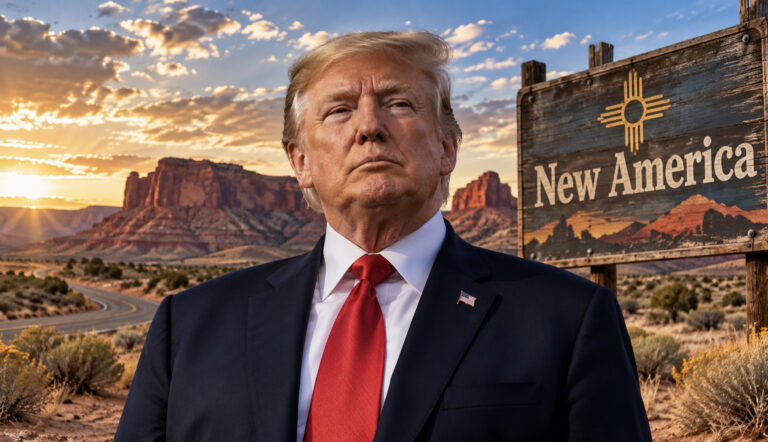
Trump Renews Push to Rename New Mexico ‘New America’
Trump Renews Push to Rename New Mexico ‘New America’
Bush Daughter Donates to Texas Democrat James Talarico

U.S. National Guard member shot in Washington, DC




Share your perspective and reply to other readers.
Free account required. You will stay on this page.