
Democrats Plan on Day 1 Should Terrify Everyone
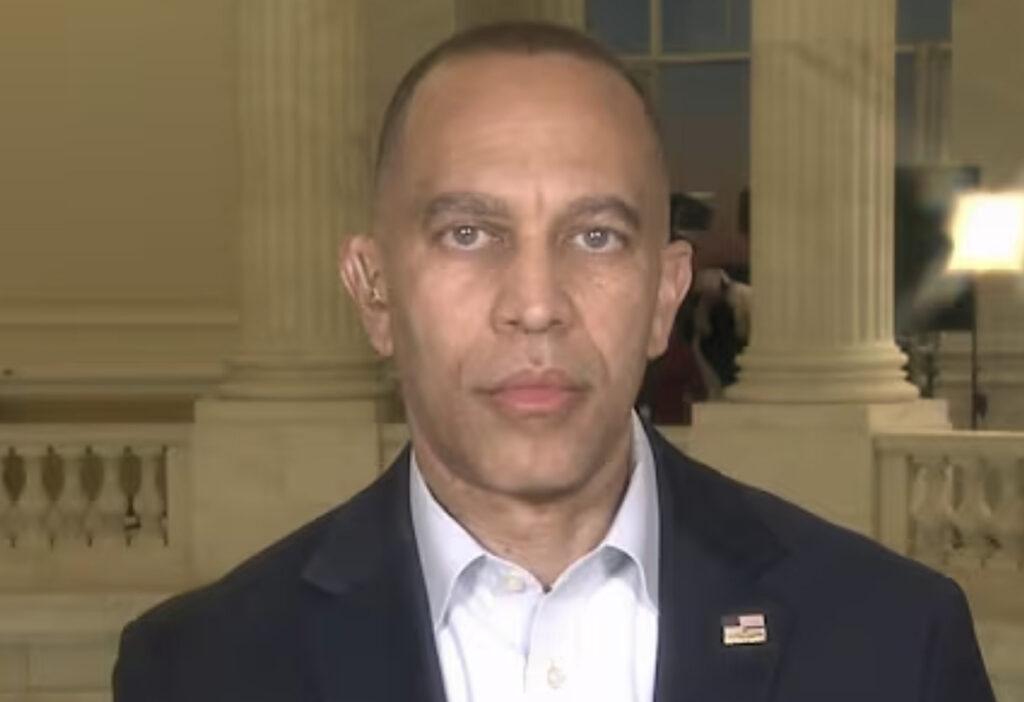
Incoming House Democrats have signaled plans for aggressive investigations into corporate donations, potential pay-to-play arrangements, and several Trump administration figures once they organize in January. Robert Garcia, the top Democrat on the House Oversight Committee, said there is “real investigative work” to be done into Elon Musk’s actions involving federal employees, donations by businesses to the White House ballroom project, and Big Oil’s access to resources in Venezuela.
- 🚨 Top Story: Trump Impeachment Bombshell Unfolds in House
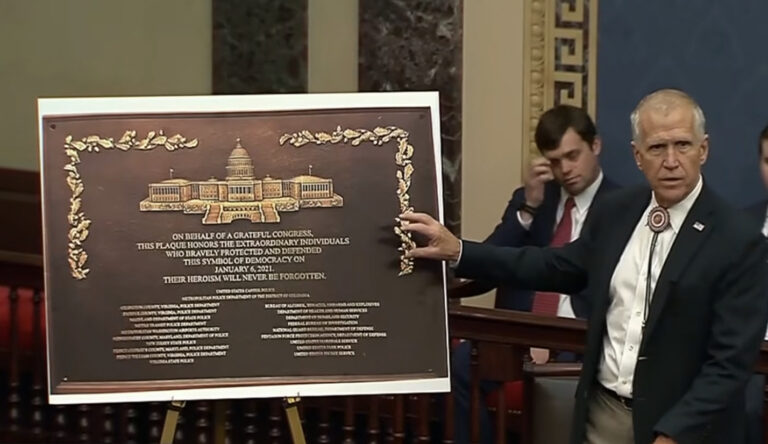
- Most Viewed: Democrats Target Jan. 6 Memorial Plaque
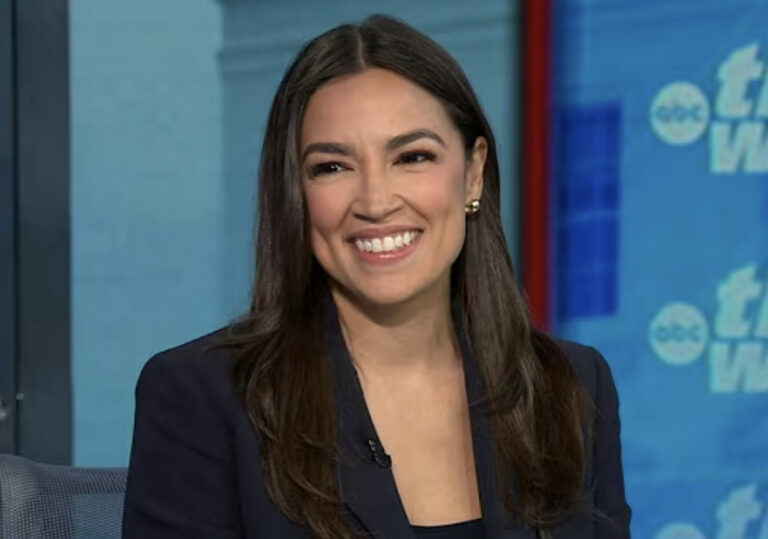
- Most Commented: AOC’s Insane Plan for Impeaching Trump
Garcia has described allegations of “pay to play” involving pardons and corporate contributions. “There are so many allegations and reports of real pay to play, whether it’s the pardons that have gone out to billionaires and donors, whether it’s been companies that have been giving to the ballroom — in exchange for what? We need to find out,” he said. Democrats are also weighing impeachment proceedings against some administration officials.
The comments offer an early indication of how Democrats intend to use their newly acquired congressional authority. Rather than limiting their attention to legislative priorities, party leaders are preparing to scrutinize decisions made throughout the Trump administration, including relationships between government officials, wealthy donors, and major corporations.
Garcia’s remarks suggest that the investigations could extend well beyond individual Cabinet members. Democrats are interested in examining whether private businesses or influential political contributors received favorable treatment from federal officials, although determining whether any improper arrangements occurred would require additional evidence.
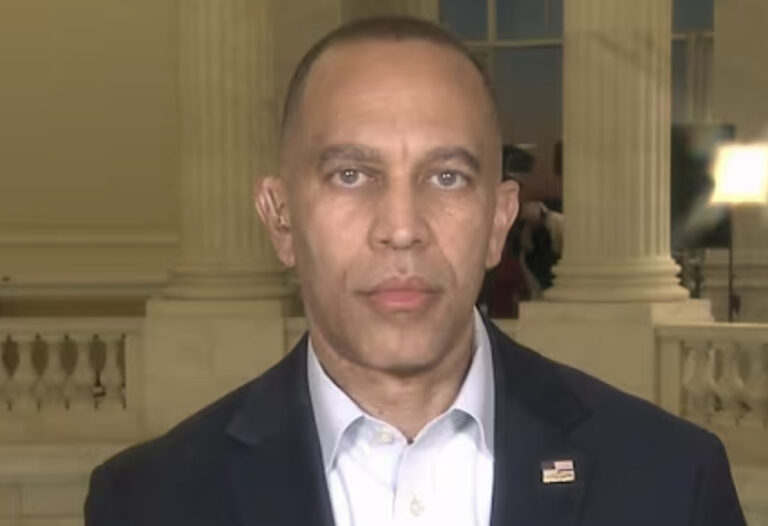
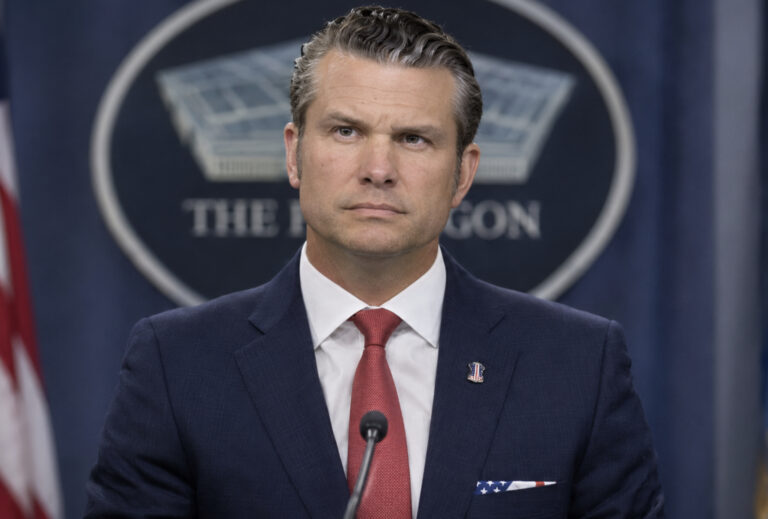
Hakeem Jeffries has indicated strong support for impeaching Defense Secretary Pete Hegseth, stating “Pete Hegseth has got to go.” Bernie Sanders has said he is “absolutely open” to considering impeachment of Health Secretary Robert F. Kennedy Jr. The focus extends to corporate graft and administration decisions rather than an immediate third impeachment of the president himself.
These statements have raised questions about whether congressional investigations could eventually lead to formal impeachment proceedings. While individual Democrats have expressed support for removing certain administration officials, the party has not established a unified timetable for pursuing such actions.
Any impeachment effort would require lawmakers to establish specific grounds for their accusations and secure sufficient support in the House. Even if articles of impeachment passed, removing an official would require a two-thirds vote in the Senate, creating a significantly higher political and constitutional hurdle.
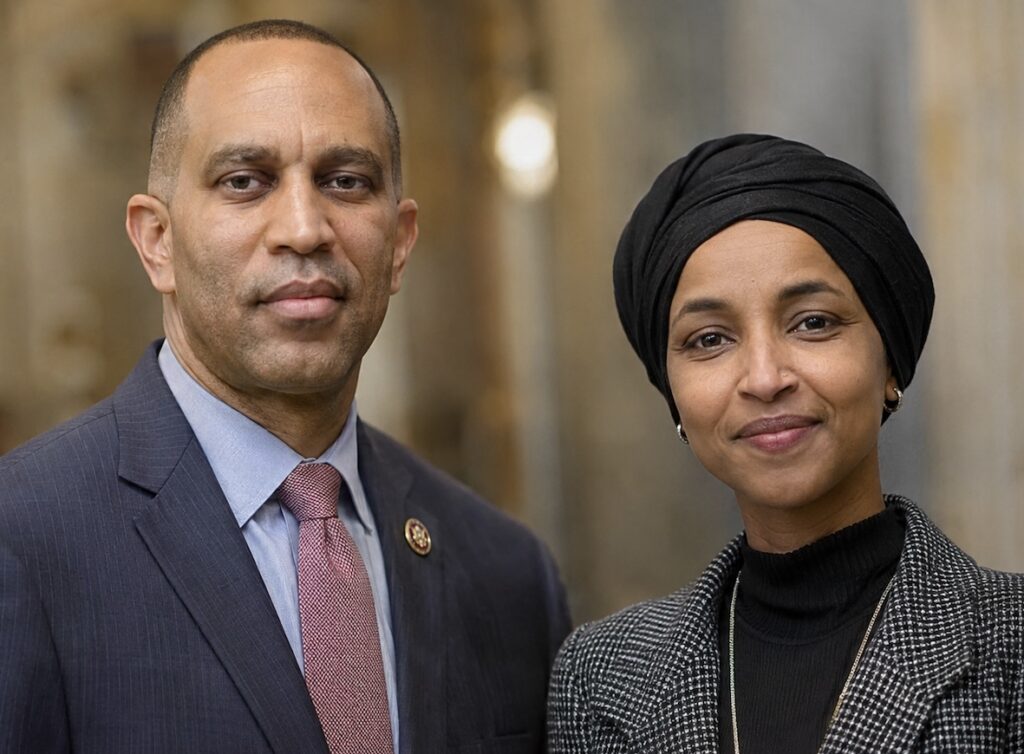
Democrats campaigned on affordability and economic issues. Their post-election statements emphasize oversight of the Trump administration’s actions and potential conflicts involving donors. Garcia has previously outlined priorities that include the Trump family’s business dealings, ICE operations, and related corporate matters.
The shift toward investigations presents a political balancing act for Democratic leaders. They must decide how much attention to devote to investigating the administration while maintaining their campaign emphasis on household expenses, economic concerns, and other issues that influenced voters during the midterm elections.
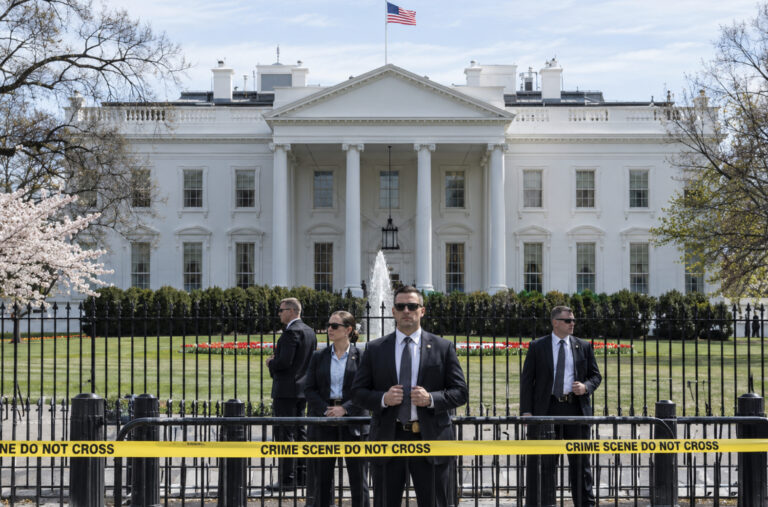
The ballroom project has drawn particular attention because of private financing and associated donations. Investigators plan to examine whether contributions correlated with policy outcomes. Venezuelan oil access and related corporate involvement are also flagged as areas of interest.
Questions surrounding the ballroom project could prompt requests for donor records, communications, and information about how contributions were solicited. Investigators may seek to establish whether companies that provided financial support subsequently pursued government contracts, regulatory decisions, or other benefits. Such inquiries would not, by themselves, establish wrongdoing.
Musk’s role in federal workforce reductions is another listed target. Democrats intend to use subpoena power and expanded staff once in the majority. The approach is described as building a record of evidence rather than starting with an impeachment vote on day one.
An investigation into Musk could examine the decision-making process behind federal staffing changes and the extent of his involvement in government operations. Lawmakers may also seek testimony from officials familiar with those decisions, particularly if questions arise about conflicts of interest or the authority exercised during the restructuring efforts.
Jeffries has not ruled out tools including impeachment but has stressed that the party’s immediate focus includes economic priorities. The Hegseth matter has already generated statements of support for removal from multiple Democrats. Sanders’ comments on Kennedy keep that possibility open as well.
The distinction between investigating an administration official and launching impeachment proceedings remains important. Congressional committees can conduct oversight hearings, request documents, and question witnesses without initiating an impeachment process. Formal impeachment would require a separate decision by House lawmakers.
The incoming majority will control the House Oversight and Judiciary Committees. That control determines the agenda for investigations and any potential articles of impeachment. The scale of planned probes has been described by Democrats as addressing alleged self-enrichment and related issues.
Committee leadership would also provide Democrats with greater control over hearing schedules, investigative priorities, and the issuance of subpoenas. These powers could enable lawmakers to pursue documents and testimony that were previously difficult to obtain, although disputes over executive privilege and congressional authority could still produce lengthy legal battles.
Corporate donors to administration projects and potential conflicts involving oil companies are expected to receive early attention. Garcia’s statements frame the work as necessary oversight rather than partisan retribution. The midterm results gave Democrats the institutional power to pursue these lines of inquiry starting in January.
The coming months will determine whether these proposed investigations uncover evidence of misconduct or become another prolonged confrontation between Congress and the White House. For now, Democratic leaders are signaling that oversight of the Trump administration will occupy a prominent place on their agenda when the new Congress convenes.
Join the Conversation
Keep Reading

Major Ballot Drop Shifts Alaska Senate Race

Country Music Star DEAD at 22

Democrats Target Jan. 6 Memorial Plaque
Trump Cabinet Official Faces IMPEACHMENT Vote
Share your perspective and reply to other readers.
Free account required. You will stay on this page.