‘Woke’ Jelly Roll Gets Brutal Reality Check at Grand Ole Opry
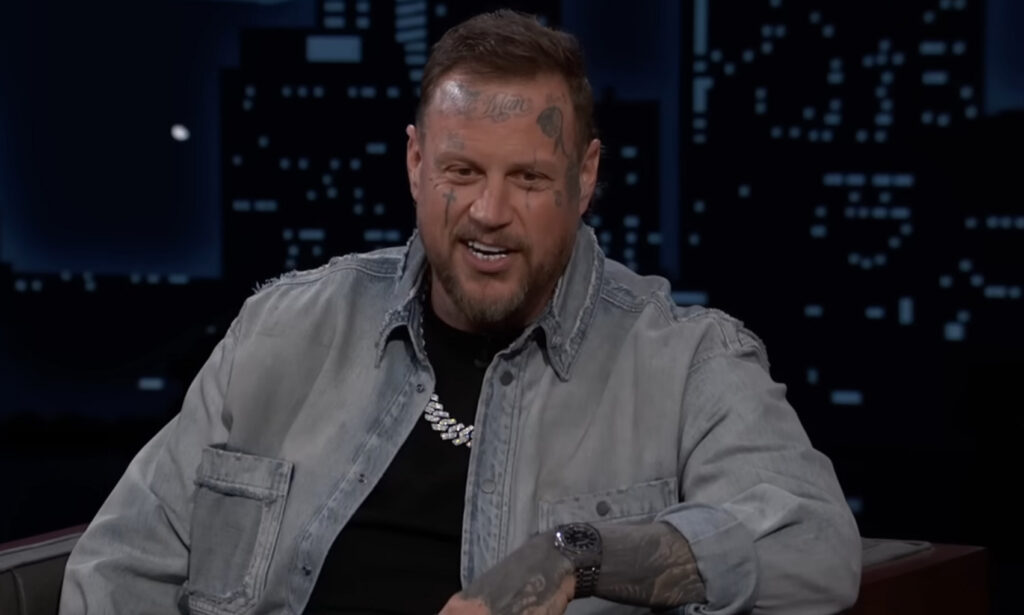
The Grand Ole Opry posted on social media to mark the fifth anniversary of Jelly Roll’s debut at the venue. The post quickly drew critical replies from fans. Comments included statements such as “Jelly woke can go to Jimmy Kimmel Hades and stay there,” “Sorry….he’s not country. Country needs to get back to its roots,” and “Read the room. Jelly boy burned the bridge down.”
The reaction follows Jelly Roll’s guest-hosting appearance on “Jimmy Kimmel Live,” during which he criticized President Trump. After the backlash, he told offended fans to boycott his music. When some did, he threatened to quit music. He has continued performing but has been less publicly vocal on the topic since.
The Opry post celebrated the anniversary of his first appearance. Fan responses on the platform and Facebook focused on his political comments rather than the musical milestone. One commenter noted they were “just here for the comments.” Others questioned his place in country music.
Willie Nelson has held left-leaning positions for decades without generating the same sustained backlash at the Opry. Nelson last performed there in 2002. Commenters on older clips of Nelson’s performances have remained largely positive. The difference highlighted in coverage is that Nelson does not appear to adjust his views to match entertainment-industry consensus.
Jelly Roll’s Kimmel monologue included criticism of Trump as a racist and narcissist. Those remarks circulated widely among country fans. The subsequent calls for a boycott and his response amplified the divide. The Opry’s anniversary post reopened the discussion among its audience.
Country music listeners have historically skewed more conservative than the broader entertainment industry. Political statements from artists can produce rapid audience pushback on social platforms. The Opry’s decision to mark the anniversary prompted an immediate volume of critical replies.
Jelly Roll has said he would stop making music if fans continued to reject him over the comments. He has not followed through on that statement. His public profile has remained active, but the Kimmel appearance remains a reference point for critics.
The Opry has inducted and featured a range of artists over its history. The anniversary post was a standard celebratory message. The replies treated it as an opportunity to restate objections to Jelly Roll’s political statements.
Facebook comments on the same post followed a similar pattern. Positive replies were limited. The volume of critical responses indicated that the earlier controversy had not fully subsided among core Opry followers.
Nelson’s long career has included unpopular positions without equivalent sustained rejection at the venue. Coverage of the Jelly Roll post used that contrast to illustrate different approaches to political speech by country artists. The Opry’s post did not address the prior controversy.
The social media reaction shows that the Kimmel appearance continues to shape some fans’ view of Jelly Roll. The anniversary message did not override those views for a noticeable portion of the replies. The episode illustrates how political comments can affect reception at traditional country institutions.
Join the Conversation
Keep Reading

Major Ballot Drop Shifts Alaska Senate Race
Country Music Star DEAD at 22
Democrats Target Jan. 6 Memorial Plaque
Trump Cabinet Official Faces IMPEACHMENT Vote
Share your perspective and reply to other readers.
Free account required. You will stay on this page.