
Democrat-Led Town Reveals $26 Million Theft After Election
Cranbury Township, New Jersey, disclosed that approximately $26 million had been stolen through a fraudulent wire transfer. The funds had been set aside for the purchase of property related to the municipality’s affordable-housing obligations. The transfer occurred on September 28.
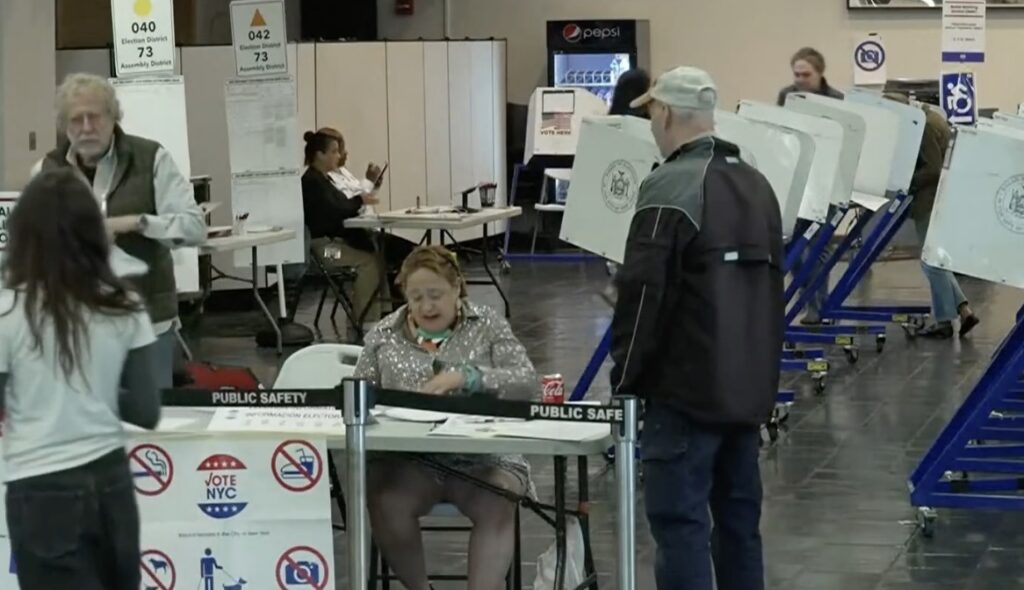
Mayor Lisa Knierim, a Democrat, announced the theft on November 6, more than five weeks after the incident and three days after local Election Day. Democrats retained control of all five seats on the Township Committee in that election. Thomas Szczur Jr. defeated Republican Carol Haring with roughly 64 percent of the vote.
A multi-agency task force led by the township police department and the Middlesex County Prosecutor’s Office is investigating. Local, county, state, and federal authorities are participating. Investigators have frozen nearly $17.3 million in assets, leaving approximately $8.7 million still unaccounted for in the freeze.
Residents questioned the timing of the public disclosure on the township’s Facebook page. One commenter wrote, “I’m interested in knowing why this information was kept under wraps until after Election Day.” Another asked why the September 28 transfer was only now being shared.
Knierim acknowledged the concerns. She wrote that “news of this magnitude will understandably raise questions and concerns among our residents. Those concerns are legitimate, and we take them seriously.” She said the township is strengthening financial oversight and will continue normal municipal operations.
The Township Committee plans to introduce ordinances creating two new positions: assistant township administrator and assistant chief financial officer. Officials are also considering hiring a municipal accounting firm for additional consulting support and are working with insurance carriers on possible recovery options.
The reason for the five-week delay in public disclosure has not been explained. The township has stated that the investigation remains active and that additional details cannot be released at this time. Fox News Digital contacted the mayor’s office for further comment.
The stolen amount represents a substantial sum for a township the size of Cranbury. The money was specifically earmarked for affordable-housing land acquisition required under state rules. The loss does not immediately halt existing services, but it creates a gap in planned capital spending.
Cyber-enabled wire fraud of this type typically involves compromised email accounts or spoofed instructions directing banks to send funds to accounts controlled by the perpetrators. Once the money moves through multiple financial institutions, recovery becomes more difficult. The partial freeze indicates that some of the funds were still traceable.
Local officials have not identified any township employee as a suspect. The investigation is focused on identifying the external actors who received the transfer and on determining how the fraudulent instructions were accepted by the financial institution. No arrests have been announced.
The election result preserved an all-Democratic committee. Critics have suggested that earlier disclosure might have affected voter perceptions of fiscal management. Supporters of the administration note that active investigations often limit what can be said publicly before certain steps are completed.
The mayor’s statement emphasized that municipal operations will continue without interruption. Day-to-day services, payroll, and existing contracts are not reported to be affected. The impact is concentrated on the specific housing-related acquisition that the funds were intended to support.
State and federal involvement suggests the case may involve interstate or international money movement. Such investigations can take months or longer, especially when funds have been layered through multiple accounts. The $17.3 million already frozen provides a partial recovery path if ownership can be established.
Insurance coverage for employee dishonesty or cyber fraud may offer an additional avenue for reimbursement. The township has indicated it is exploring those options. The ultimate net loss to taxpayers will depend on the success of both the criminal recovery efforts and any insurance claims.
Cranbury’s experience is consistent with a broader rise in large-scale municipal wire fraud. Other jurisdictions have reported similar incidents involving spoofed vendor or real-estate instructions. Prevention typically requires multi-factor verification and dual-authorization procedures for large transfers.
The Township Committee’s planned addition of financial oversight positions is intended to reduce the risk of recurrence. Whether those structural changes would have prevented the September transfer cannot be determined from public information. The ordinances have not yet been adopted.
Residents continue to seek a clearer explanation for the disclosure timeline. No additional public statements addressing that specific question have been issued beyond the mayor’s general acknowledgment of concerns. Further updates are expected as the investigation progresses.
Join the Conversation
Keep Reading

Trump Faces 3rd Impeachment Threat

GOP Wins Crucial Swing District


Hegseth Responds to Calls to Resign

Top Trump Official Resigns


El-Sayed Supporters Yell Disturbing Islamic Chant for Palestine

Top Dem Faces Calls to Resign


Tupac Murder Trial Attorney Found DEAD at 55

Share your perspective and reply to other readers.
Free account required. You will stay on this page.