Tupac Murder Trial Attorney Found DEAD at 55
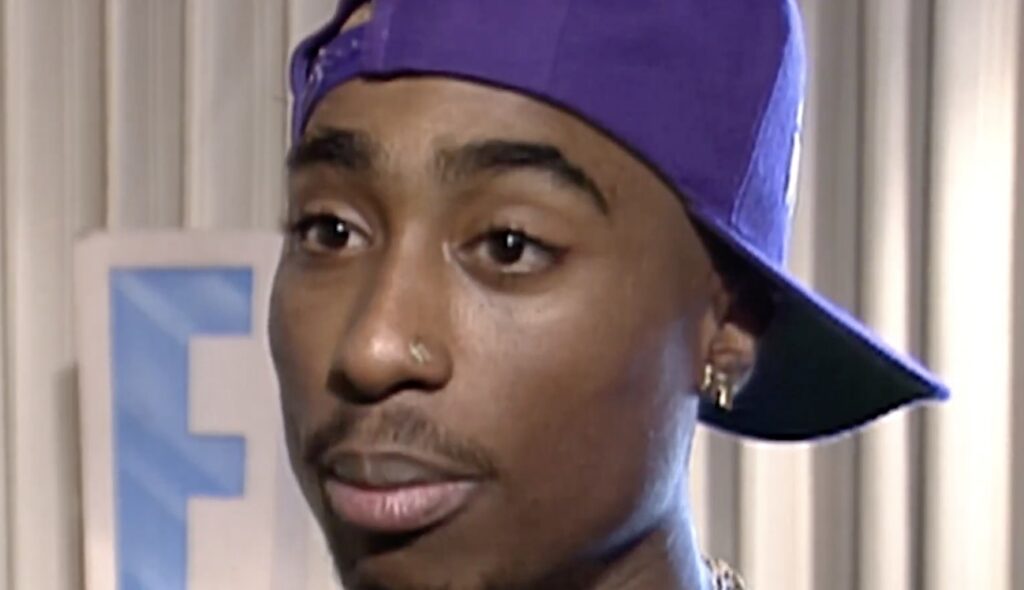
Michael Sanft, the Las Vegas attorney who represented Duane “Keffe D” Davis in the 1996 murder of Tupac Shakur, was found dead in his home on Friday morning. He was 55. Police said the death did not appear suspicious, and the cause and manner have not yet been determined.
Sanft’s death occurred days after he filed an appeal challenging Davis’s conviction. A friend, Michael Sloan, described him as “one of my best friends and one of the best human beings I knew.” Sloan and Sanft had ridden motorcycles together.
Davis, 63, was convicted in August of first-degree murder with the use of a deadly weapon. He was sentenced in October to 40 years to life. The verdict marked the first conviction in a case that had remained open for nearly three decades.
Shakur was shot on September 7, 1996, while riding in a BMW with Death Row Records co-founder Marion “Suge” Knight near the Las Vegas Strip. A gunman in a white Cadillac opened fire. Knight survived with minor injuries. Shakur died six days later at age 25.
Prosecutors argued that Davis orchestrated the shooting after his nephew was involved in a fight with Shakur and Knight earlier that evening. They said Davis obtained a gun and “went hunting” for the two men. They also relied on Davis’s own prior statements placing himself inside the Cadillac.
Sanft contended that no evidence beyond those statements placed Davis in Las Vegas or inside the vehicle. The jury deliberated for roughly three hours before returning the guilty verdict. The panel consisted of 12 jurors and four alternates and heard from 24 prosecution witnesses and three defense witnesses over nine days.
Shakur’s sister, Sekyiwa “Set” Shakur, cried when the verdict was read. Davis’s son covered his face. Davis was held without bail between the verdict and sentencing. Sanft’s appeal was pending at the time of his death.
The Clark County Coroner’s Office and the Las Vegas Metropolitan Police Department have not released additional public details. No further information about the circumstances inside the home has been made available. The investigation into the death remains open only to the extent necessary to establish cause and manner.
Davis’s conviction rested heavily on his earlier public comments and interviews in which he discussed the night of the shooting. Prosecutors treated those statements as admissions. The defense argued they were unreliable and uncorroborated by independent physical or eyewitness evidence linking Davis to the scene.
The trial drew international attention because of Shakur’s stature in hip-hop and the long period during which the case had gone unsolved. Multiple earlier investigations had examined the shooting without producing charges against any individual. The 2023 arrest of Davis and the subsequent trial represented a sharp break from that history.
Sanft’s role included cross-examining prosecution witnesses and presenting a limited defense case. The three defense witnesses did not place Davis elsewhere or contradict the core timeline advanced by the state. Closing arguments centered on the sufficiency of the evidence rather than an alternative suspect theory.
The appeal that Sanft filed is expected to continue under new counsel if the family or the court appoints one. Issues raised in such appeals typically include the admissibility of prior statements, jury instructions, and the weight of circumstantial evidence. No ruling on the appeal has been issued.
Friends and colleagues have described Sanft as dedicated to his clients and active outside the courtroom. The motorcycle riding mentioned by Sloan was one of several personal interests. No public indication of health problems or other contributing factors has been reported by authorities.
The Las Vegas Review-Journal first reported the death after speaking with Sloan. Other outlets subsequently confirmed the basic facts with police. No official statement has been issued by the Davis defense team regarding the impact on the appeal.
Shakur’s killing occurred during a period of heightened tensions between East Coast and West Coast rap figures. The specific trigger cited by prosecutors was a physical altercation earlier on the same night involving Davis’s nephew, Orlando Anderson. Anderson was later killed in a separate incident.
The white Cadillac used in the shooting was never recovered in a condition that yielded usable forensic evidence linking it to Davis. Prosecutors instead built the case around Davis’s statements, the timing of events, and the broader gang-related context. The jury accepted that body of evidence as sufficient for conviction.
Sanft’s death closes one chapter in the long legal aftermath of the 1996 shooting. The conviction of Davis remains the only one obtained in the case. Further appellate proceedings will determine whether that conviction stands.
Join the Conversation
Keep Reading
Trump Faces 3rd Impeachment Threat
GOP Wins Crucial Swing District
Hegseth Responds to Calls to Resign
Top Trump Official Resigns
El-Sayed Supporters Yell Disturbing Islamic Chant for Palestine
Top Dem Faces Calls to Resign
Democrat-Led Town Reveals $26 Million Theft After Election
Share your perspective and reply to other readers.
Free account required. You will stay on this page.