
Trump Slams Judge in Charlie Kirk Murder Case
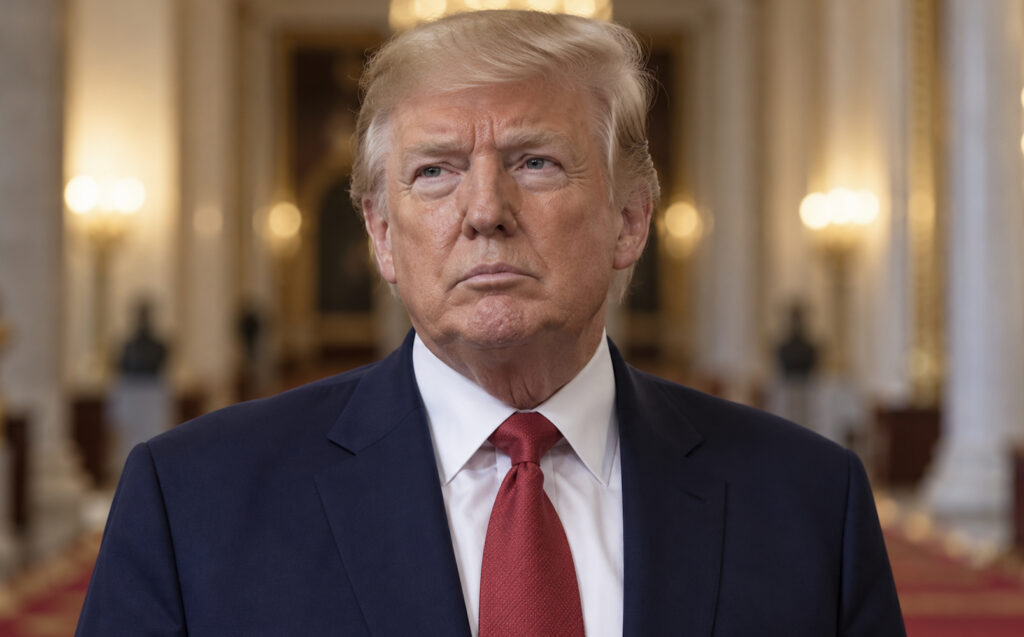
President Donald Trump sharply criticized the judge overseeing the murder case involving conservative activist Charlie Kirk on Friday, accusing the court of moving too slowly after defense attorneys proposed delaying the trial until 2029. The president demanded a much faster resolution, arguing that the prolonged proceedings were disrespectful to Kirk’s memory.
The dispute centers on Tyler Robinson, who faces multiple criminal charges, including aggravated murder, in connection with Kirk’s fatal shooting. Robinson’s attorneys recently proposed beginning the trial during the third quarter of 2029, citing extensive evidence, complicated legal proceedings and the additional requirements associated with a potential death penalty.

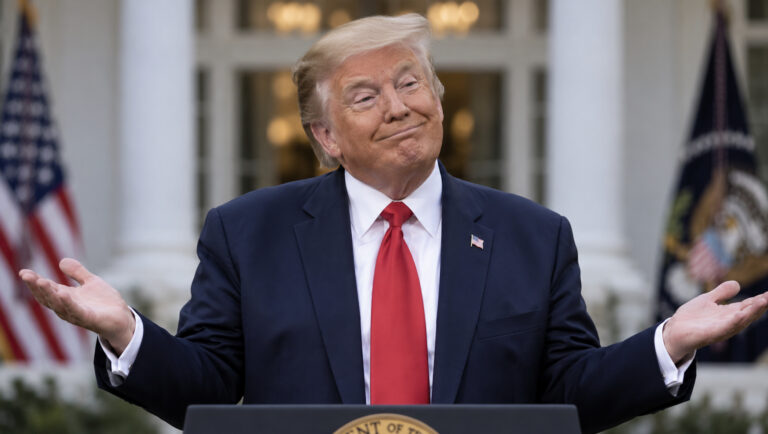
Trump expressed his frustration in a Truth Social post, accusing the court of unnecessarily prolonging the case. “The judge in the Charlie Kirk case is doing a terrible job! This case should be tried within a month, not three years — and it should be over with!” the president wrote.
Trump continued, “The judge is desecrating the memory of the Great Charlie Kirk, while taking forever to ask questions that people already know the answer to. The whole Country is mocking him and our ‘Legal’ System. JUSTICE FOR CHARLIE!”
The president’s remarks were directed at Judge Tony Graf, who is presiding over the proceedings in Utah. His criticism followed a defense filing outlining why Robinson’s attorneys believe additional preparation time is necessary.
Defense lawyers argued that the amount of evidence still requiring examination makes an earlier trial impractical. They also cited the challenges of selecting an impartial jury in a case that has received considerable national attention.
According to the defense, establishing a trial date before completing essential preparations could create “false precision” and put Robinson’s constitutional protections at risk.
The attorneys emphasized that capital punishment cases require particularly careful review because of the potential consequences. Their filing highlighted the principle that “death is different” when explaining the heightened legal obligations.
“From the point of view of defense counsel, appointment to a capital case brings with it a slew of responsibilities that apply in no other context,” the memorandum stated.
Robinson’s legal team maintained that attorneys must thoroughly evaluate evidence concerning both the charges and any potential punishment before the case proceeds to trial.
The defense also warned that rushing the proceedings could create unrealistic expectations and interfere with the court’s ability to properly consider complicated legal motions.
Federal and state prosecutors have presented a substantially shorter timeline, with the prosecution indicating that it expects to be prepared for trial by October 4, 2027.
Kirk’s widow, Erika Kirk, has also opposed the possibility of waiting until 2029. She requested that the proceedings begin as early as reasonably possible in 2027.
In a court filing, Erika described the defense’s proposed schedule as “grossly out of line” with comparable cases and emphasized the continuing emotional burden on her family.
“Every additional day of delay carries the weight of all that Charlie’s murder has taken from his family,” the filing stated, specifically mentioning the couple’s two young children.
The filing noted that the children were only three and one years old when their father was killed and could be seven and five by the time a verdict is reached under the defense’s proposed schedule.
Former federal prosecutor Fred Tecce criticized Robinson’s requested timeline during an interview with Fox News Digital, suggesting the proposal was intended primarily to postpone the proceedings. “There’s a legal term. It’s called kick the can down the road. It is just done for the purposes of delay and I think it’s wholly inappropriate,” Tecce said.
Robinson was scheduled to appear in court Friday afternoon as the debate continued over when his trial should begin. The disagreement leaves Judge Graf responsible for balancing the family’s demand for timely justice against the defendant’s constitutional right to a fair trial, with no final trial date established in the reporting.
Join the Conversation
Keep Reading


Legendary ‘Top Gun’ Actor Tom Skerritt Dead



Trump Secures Release of American Imprisoned in Russia
Americans Who Fled Trump Now Regret Moving to Europe


Kennedy Family Member Dies at 42

Prominent Democrat DA Faces Federal Grand Jury Investigation
Share your perspective and reply to other readers.
Free account required. You will stay on this page.