This Elon Musk Documentary Sounds Wild
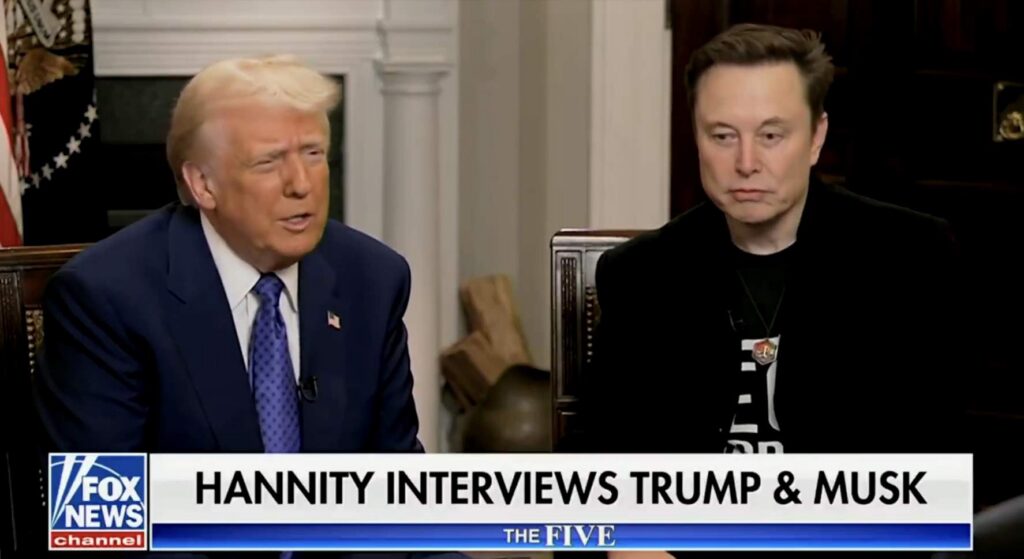
Four hours of Elon? This sounds WILD. Watch:
New Elon Musk Documentary Sparks Major Controversy: A new documentary examining the extraordinary career, personal life, and political influence of billionaire Elon Musk is generating controversy following its theatrical release. The nearly four-hour film, titled “Musk,” offers an extensive examination of the Tesla and SpaceX chief executive, including his relationship with President Donald Trump, his acquisition of Twitter, and his growing influence over American politics.
Directed by Academy Award-winning filmmaker Alex Gibney, the documentary premiered at the Venice International Film Festival in September before arriving in American theaters on October 9. The film has attracted attention not only for its critical portrayal of Musk but also for disputes involving its promotion, distribution, and the billionaire’s response to its allegations.
Gibney, whose previous documentaries have examined Scientology, corporate scandals, and controversial public figures, spent nearly four years developing the project. What began as a conventional feature-length documentary eventually expanded to approximately three hours and 55 minutes as Musk’s business interests and political activities became increasingly prominent.
The film follows Musk’s rise from technology entrepreneur to one of the world’s most influential business leaders. It examines his role in building SpaceX, expanding Tesla, transforming Twitter into X, and investing heavily in artificial intelligence and other emerging technologies.
However, the documentary also explores controversies surrounding Musk’s leadership decisions, public statements, relationships, and business practices. Gibney presents a strongly critical interpretation of the billionaire’s influence, raising questions about the responsibilities of individuals who control major technology platforms and companies.
Musk declined to participate in interviews for the documentary, according to the filmmakers. Instead, Gibney assembled interviews with former associates, family members, journalists, and individuals familiar with Musk’s businesses, including his former wife Justine Musk and Tesla co-founder Martin Eberhard.
One unusual feature involves the use of artificial intelligence to create a digital representation of Musk. The filmmakers used the technology to present statements attributed to the billionaire, drawing from his existing public remarks rather than recording new interviews with him.
The documentary also examines Musk’s increasingly visible involvement in Republican politics, particularly his support for Donald Trump during the 2024 presidential election and his subsequent participation in the administration’s government-efficiency efforts.
Musk’s work with the Department of Government Efficiency, commonly known as DOGE, receives substantial attention. The film considers the consequences of efforts to reduce federal spending, eliminate government positions, and restructure agencies, while examining questions about the relationship between private business interests and government authority.
Gibney also investigates controversies involving Tesla’s autonomous driving technology, including questions about vehicle safety and the company’s public representations of its technological capabilities. Tesla has consistently promoted its efforts to develop advanced driver-assistance systems and eventually achieve fully autonomous transportation.
The documentary’s treatment of Musk has drawn a sharp response from the billionaire, who has publicly rejected its portrayal of him. Musk characterized the production as a “hit piece” and suggested that its conclusions were politically motivated.
Musk has also reportedly threatened legal action concerning specific claims presented in the film. Gibney has defended his work and maintained that the documentary is based on extensive research, interviews, and publicly available information. The allegations and interpretations featured in the production remain those of the filmmakers and interview subjects.
The controversy intensified when several major social media platforms declined to approve paid advertisements promoting the documentary. Reports indicated that X, YouTube, Meta, and TikTok initially restricted promotional material, although YouTube and Meta subsequently reversed their decisions.
TikTok also suspended an account associated with the documentary’s promotional campaign, citing its policies concerning political content. The film’s distributor, Bleecker Street, disputed the restrictions and sought to restore promotional access.
Those developments prompted broader debate about freedom of expression and the ability of technology platforms to influence which political and cultural messages reach large audiences. However, advertising restrictions alone do not establish that the platforms coordinated their decisions or acted at Musk’s direction.
Despite the controversy, the documentary has received generally positive reviews from film critics. Some have praised its detailed examination of Musk’s influence and the extensive interviews included in the production, while others have questioned its length, critical perspective, and effectiveness in presenting a balanced account.
The film also arrives as Musk continues pursuing ambitious projects involving electric vehicles, rocket development, satellite communications, robotics, and artificial intelligence. His supporters frequently point to the technological achievements of Tesla and SpaceX as evidence of his unusual ability to advance industries that previously faced significant obstacles.
Following its theatrical release, “Musk” is expected to reach a broader audience through HBO in January 2027. Whether viewers agree with Gibney’s conclusions or Musk’s objections, the documentary adds another chapter to the public debate surrounding one of the most prominent and controversial figures in modern business and American politics.
Join the Conversation
Keep Reading
Trump Secures Release of American Imprisoned in Russia
Americans Who Fled Trump Now Regret Moving to Europe
Kennedy Family Member Dies at 42
Prominent Democrat DA Faces Federal Grand Jury Investigation
Prominent Democrat DA Faces Federal Grand Jury Investigation
Trump Renews Push to Rename New Mexico ‘New America’
Trump Renews Push to Rename New Mexico ‘New America’
Bush Daughter Donates to Texas Democrat James Talarico

Share your perspective and reply to other readers.
Free account required. You will stay on this page.