
Ultra-Woke Nike Facing Major Decline — Sales & Revenue in Free Fall
Nike is preparing additional job cuts and business changes as the athletic apparel giant continues working through weak sales in several important markets. Nike remains in the S&P 500 but was removed from the S&P 100 effective September 21, 2026. CEO Elliott Hill said the company still faces significant challenges despite ongoing efforts to revive growth.
Nike reported net income of $712 million for the first quarter of fiscal 2027, down from $727 million during the same period a year earlier. The company also projected softer full-year revenue, adding to concerns about how quickly its turnaround strategy can produce results. One of Nike’s biggest problems remains China.
Sales in Greater China fell 26 percent on a constant-currency basis during the quarter, making the region one of the company’s weakest major markets. The decline has increased pressure on management as Nike works to rebuild demand and strengthen its position against competing sportswear brands.
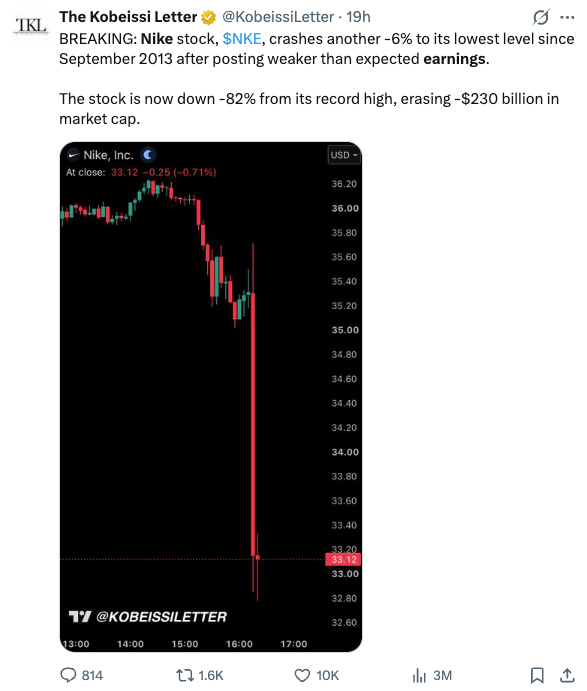
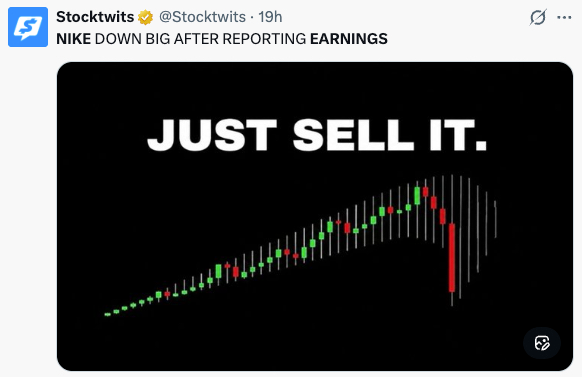
Nike shares also came under pressure following the earnings report as investors reacted to the company’s outlook. The company has recently lost some of its previous prominence in major stock indexes as well.
Nike was removed from the S&P 100 after nearly 18 years in the index, reflecting changes in the company’s relative market value compared with other large U.S. corporations.
Hill acknowledged that Nike’s strongest-performing areas are not yet large enough to compensate for weaker parts of the business.
“Our Nike performance business is not yet large enough to offset the pressure we’re seeing in Nike sportswear, Jordan brand, and Greater China,” Hill said during the company’s earnings call.
He added that improving those parts of the company “will take time.”
Nike has already begun reducing the number of certain Jordan retro releases as part of an effort to better manage supply and rebuild consumer interest.

The company is also expected to make further organizational changes, including additional job reductions and adjustments to its international business structure.
Nike’s recent struggles follow years of intense competition in footwear and apparel, with newer and established rivals gaining market share in several categories.
The company has also faced controversy over some of its marketing partnerships and advertising campaigns.
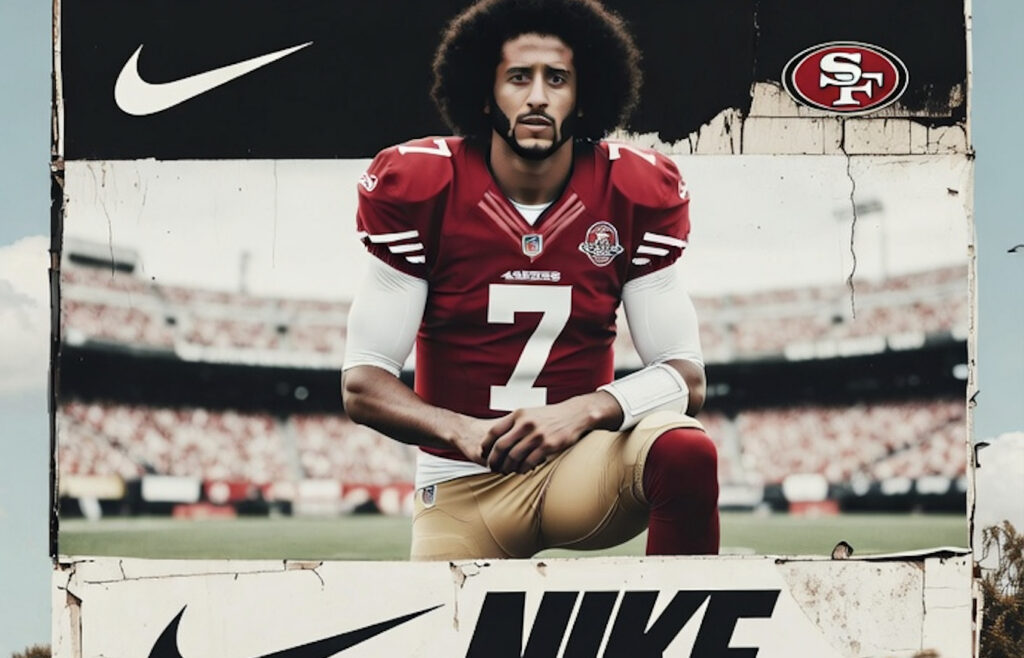
Nike previously drew criticism from some consumers over endorsement deals involving Colin Kaepernick and Dylan Mulvaney, while other campaigns have generated debate over the company’s branding choices.
Those controversies have contributed to broader discussions about whether Nike’s marketing strategy has affected its relationship with certain customers, although the company’s financial challenges also include competition, product demand, inventory decisions and weakness in China.
For now, Nike is attempting to restore momentum by focusing more heavily on performance products, reducing some product releases and restructuring parts of its operation.
Hill indicated that management does not expect the recovery to happen immediately.
The latest results suggest Nike’s turnaround remains a work in progress as the company tries to stabilize sales and regain stronger growth across its global markets.
Join the Conversation
Keep Reading

Rob Lowe’s Niece Dead at 13


Death Row Woman Survives Lethal Injection — Twice
Biden-Era Prosecutor Hit With Criminal Investigation Referral


Hero K-9 Makes Shocking $6M Discover at U.S. Border
Cornell Gang Rape Probe Reopened


Elon Musk Rejoins Trump Admin with Prominent Role

Share your perspective and reply to other readers.
Free account required. You will stay on this page.