Mamdani Just Made A HUGE Mistake
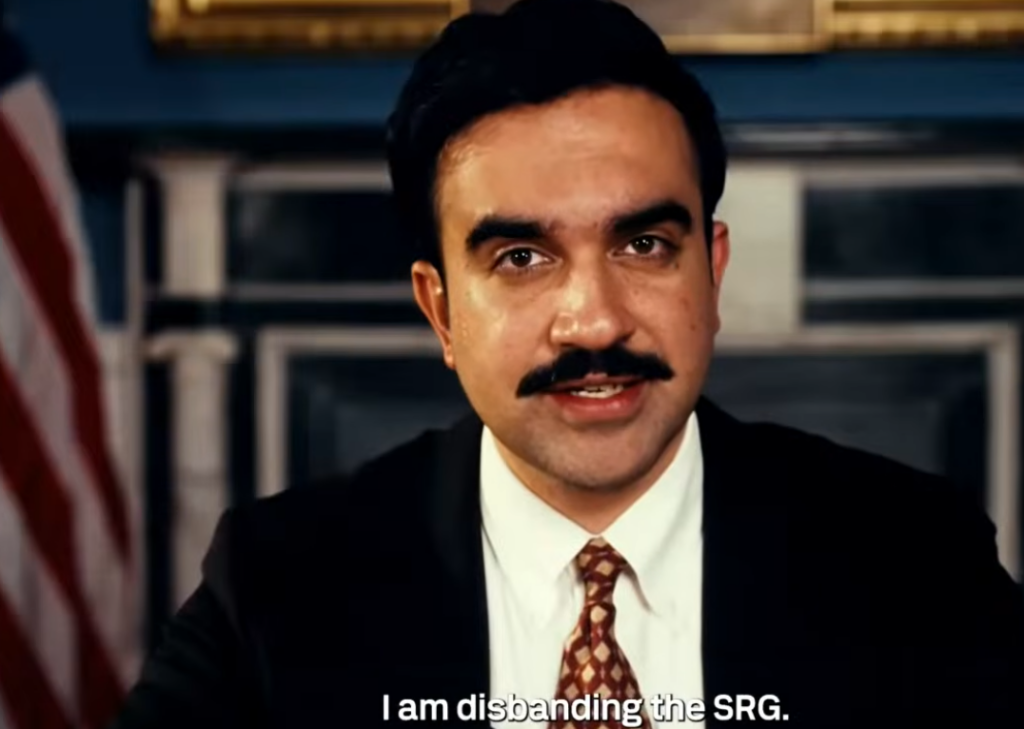
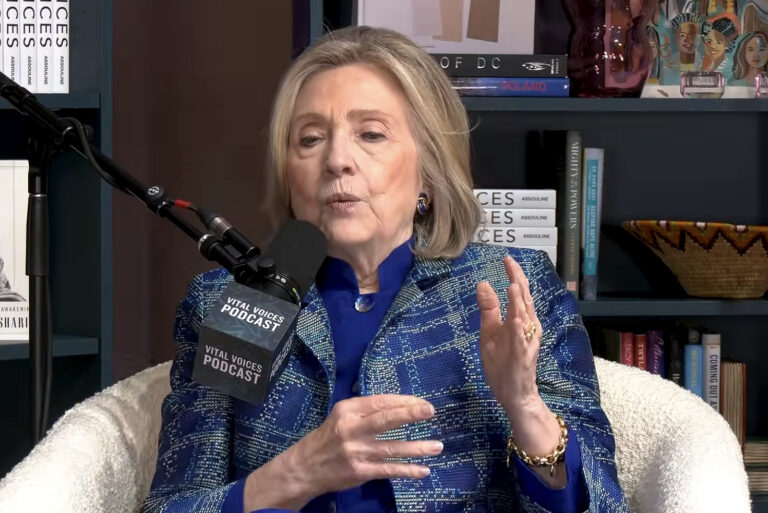
This would be funny if it wasn’t so dangerous! WATCH:
Background info: New York City Mayor Zohran Mamdani has announced a sweeping overhaul of the New York Police Department, moving to dismantle a specialized police unit responsible for responding to major emergencies, terrorism threats, and large demonstrations. The decision marks one of the most significant changes to the department since Mamdani took office and renews scrutiny of his contentious history with law enforcement.
On November 16, Mamdani announced that the NYPD’s Strategic Response Group (SRG) would be disbanded, fulfilling a campaign promise that had generated considerable opposition from police organizations. The specialized unit, established in 2015, has played a prominent role in responding to potentially dangerous situations throughout New York City.
The restructuring will affect approximately 500 officers, according to Police Commissioner Jessica Tisch, who said personnel would be reassigned to other divisions. Some officers will move into counterterrorism operations, while a newly established Patrol Support Division will assume certain responsibilities previously handled by the SRG. The administration says the changes will not reduce the NYPD’s overall staffing.
Mamdani also announced significant restrictions on police tactics during demonstrations, including prohibitions on kettling, tear gas, and long guns during First Amendment activities. Pepper spray will no longer be permitted as a general crowd-management tool, while the use of certain acoustic devices will face additional limitations. The restrictions represent a substantial change in how officers are authorized to respond to protests.
The mayor defended the overhaul by arguing that peaceful protesters should not be treated as potential terrorist threats. His administration plans to establish a civilian-led Community Dialogue and De-escalation Division, along with a specialized NYPD team of 30 uniformed officers trained to communicate with demonstrators and prevent confrontations from escalating.
However, the announcement immediately drew criticism from police unions, which warned that dismantling an established emergency-response unit could undermine public safety. Police Benevolent Association President Patrick Hendry accused Mamdani of siding with disruptive demonstrators over residents whose lives are affected by protests, while other police representatives questioned why a functioning unit needed to be eliminated.
The controversy reflects a longstanding and often contentious relationship between Mamdani and the NYPD. Before becoming mayor, the democratic socialist emerged as an outspoken critic of policing practices and supported proposals to significantly reduce the department’s funding. Those positions became a major issue during his campaign and continue to influence how police organizations view his administration.
During the nationwide protests following George Floyd’s death in 2020, Mamdani publicly supported the movement to defund police departments. In one widely criticized social media statement, he described the NYPD as “racist, anti-queer & a major threat to public safety” and called for the department’s funding to be reduced.
Those remarks resurfaced during the 2025 mayoral campaign, prompting questions about whether Mamdani could effectively lead a city dependent on one of the nation’s largest police forces. Facing criticism, he distanced himself from his earlier defunding position and publicly apologized to officers during an October 2025 appearance on Fox News.
Mamdani subsequently attempted to reassure law enforcement officials by retaining Police Commissioner Jessica Tisch, who had been appointed under former Mayor Eric Adams. Tisch was widely credited with helping oversee improvements in crime statistics, and her continued leadership was viewed as an important signal that Mamdani would not completely abandon the department’s existing public-safety strategy.
Nevertheless, significant ideological disagreements remained between the mayor and his police commissioner. Tisch defended several established NYPD practices, including the department’s controversial gang database, while Mamdani had previously advocated eliminating that system. Their differences over the Strategic Response Group became another major point of contention before the latest agreement.
The SRG itself has faced years of controversy stemming largely from its deployment during demonstrations following Floyd’s death. Civil rights organizations accused officers assigned to the unit of using excessive force, making improper arrests, and employing aggressive crowd-control tactics against protesters, journalists, and legal observers.
In 2023, New York City reached a major legal settlement involving the state attorney general, the New York Civil Liberties Union, and other plaintiffs over the department’s handling of the 2020 demonstrations. The settlement established new restrictions governing protest policing and the deployment of specialized officers, although the SRG continued operating afterward.
Mamdani’s latest announcement goes further by eliminating the unit’s existing organizational structure. Supporters argue that separating counterterrorism responsibilities from routine protest management will reduce unnecessary confrontations, while opponents question whether the replacement units will maintain the training, coordination, and rapid-response capabilities necessary during unpredictable emergencies.
The decision also follows another major confrontation over police accountability in October, when Mamdani ordered a comprehensive review of the NYPD’s use-of-force policies. His administration announced additional oversight measures after controversy surrounding the retirement of an officer facing disciplinary proceedings related to the fatal police shooting of 19-year-old Win Rozario during a mental health crisis in 2024.
At the same time, Mamdani has faced pressure from members of his own political movement who believe his administration has been insufficiently aggressive toward the NYPD. Some democratic socialist allies called for Tisch’s removal following disputes over police conduct, but the mayor publicly rejected those demands and reiterated his confidence in her leadership.
Despite their history of disagreements, the latest restructuring was announced jointly by Mamdani and Tisch, complicating suggestions that the mayor and commissioner are engaged in an openly hostile relationship. Tisch defended the new organizational structure, saying it would preserve the department’s ability to confront serious threats while improving its response to demonstrations. The disagreement appears more pronounced between Mamdani and police unions, as well as between competing factions within his political coalition.
The larger question is whether Mamdani can deliver the policing changes demanded by his progressive supporters without undermining confidence among officers and residents concerned about crime. With the Strategic Response Group scheduled to disappear and new restrictions taking effect, the administration faces a consequential test of its public-safety agenda in America’s largest city.
Join the Conversation
Keep Reading
Buckley Carlson Is NOT Funny!
Murder Suspect RELEASED by NYC
Anti-Trump Host is OUT
GOP 2028 Race Wide Open After Bombshell Report on JD Vance

Massive Cyberattack Hits Fox News
Iran’s Terrifying Plot Against Trump EXPOSED
Share your perspective and reply to other readers.
Free account required. You will stay on this page.