
Supreme Court Bombshell Will Change Trump Presidency
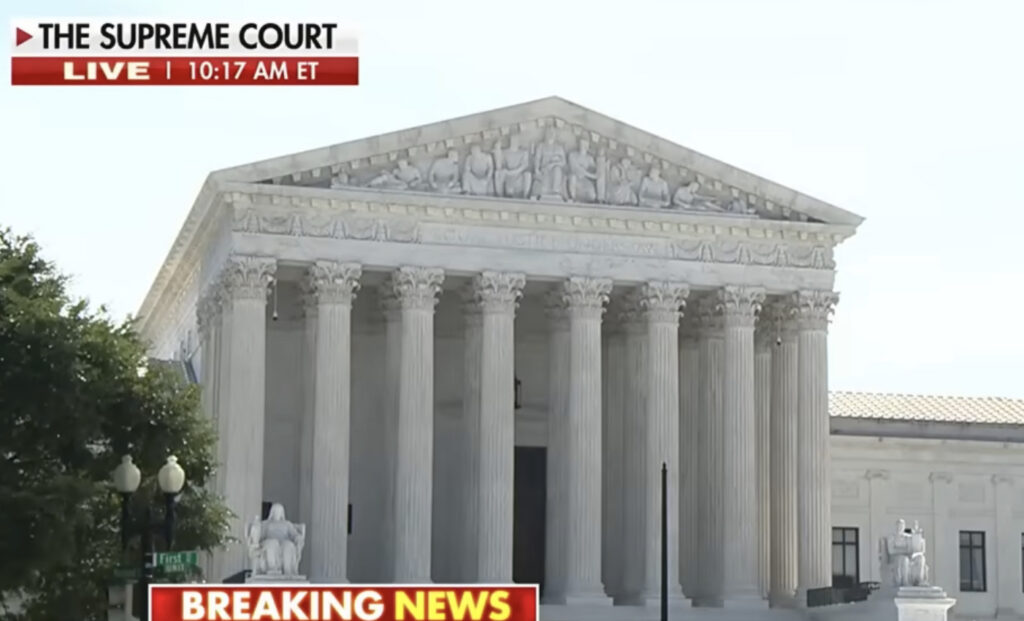
The Supreme Court agreed to hear the Trump administration’s defense of a presidential proclamation that suspended entry for certain migrants at the southern border and blocked them from seeking asylum.
President Trump issued the proclamation shortly after returning to office in January 2025 after declaring border conditions an “invasion.”
Lower courts blocked key parts of the policy, prompting the administration to appeal.
The justices granted review in Mullin v. Refugee and Immigrant Center for Education and Legal Services, a case that could shape the scope of presidential immigration authority during Trump’s second term.
Federal law generally permits migrants present in the United States or arriving at the border to apply for asylum regardless of entry method.
The administration argues other statutes give the president broad power to suspend entry when it would be detrimental to national interests and that once entry is denied, asylum processing is not required.
Immigrant-rights groups, including the ACLU, contend Congress specifically guaranteed the right to request asylum and that the president cannot override that protection through entry restrictions.
Challengers also note that border crossings had already started declining before the proclamation.
A district court and the D.C. Circuit largely sided against the administration on major elements of the policy.
The Supreme Court, which holds a 6-3 conservative majority including three Trump appointees, previously upheld broad travel restrictions from Trump’s first term.
This case differs because it directly engages asylum statutes enacted by Congress.
The administration points to a sharp drop in border encounters since Trump took office as evidence that the measures have restored control.
A ruling for the administration could expand the president’s ability to restrict asylum when border conditions are deemed a threat to national interests.
A decision against the administration would reaffirm limits when executive actions conflict with statutory asylum rights.
Arguments are expected in the spring, with a decision by the end of June.
The Court is already handling other major immigration cases this term involving detention and third-country removals.
The outcome will influence how far future administrations can go in using emergency or proclamation powers at the border.
Join the Conversation
Keep Reading


Murder Suspect RELEASED by NYC


Anti-Trump Host is OUT

GOP 2028 Race Wide Open After Bombshell Report on JD Vance

Massive Cyberattack Hits Fox News

Iran’s Terrifying Plot Against Trump EXPOSED



Share your perspective and reply to other readers.
Free account required. You will stay on this page.