
Forensics Expert Drops Bomb About Epstein’s Death After Looking At Photos
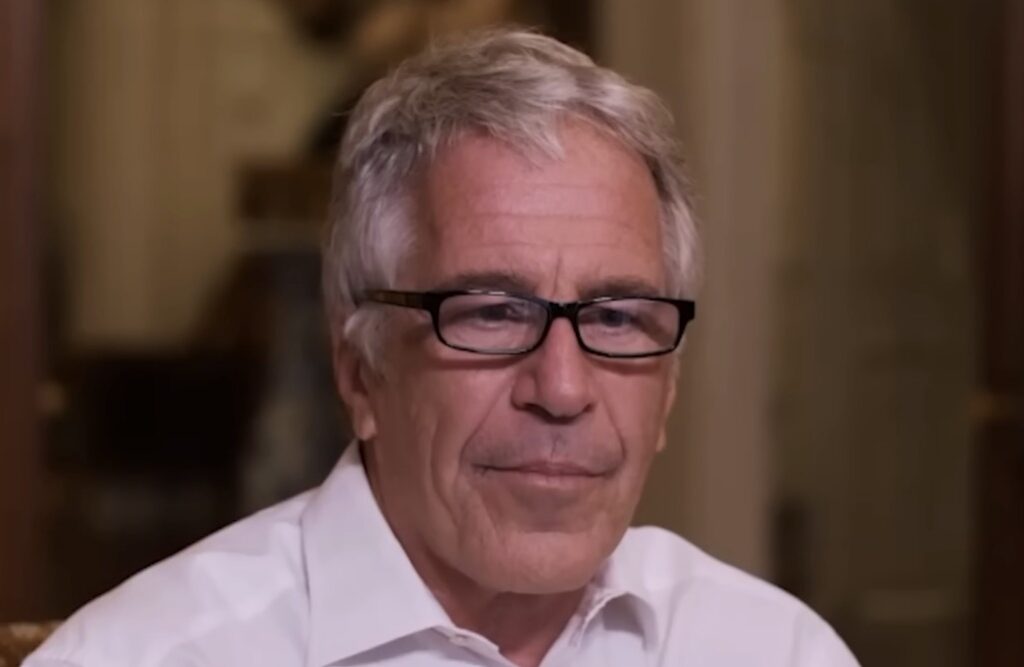
Professor Michael Freeman, a forensic medicine expert, has told BBC Newsnight that his review of Jeffrey Epstein’s autopsy file leads him to conclude the financier was killed rather than died by suicide. Freeman said the injuries documented in the New York City medical examiner’s records are most consistent with strangulation, most likely from behind, followed by suspension of the body.
Epstein was found dead in his cell at the Metropolitan Correctional Center in New York on 10 August 2019 while awaiting trial on sex-trafficking charges. The chief medical examiner at the time, Dr. Barbara Sampson, ruled the death a suicide by hanging and has stated that she stands firmly behind that determination.
Freeman, who was provided the file by Epstein’s brother Mark Epstein, pointed to a deep hemorrhage in the left shoulder, facial injuries consistent with being struck, and what he described as fingernail marks above the ligature mark on the neck. He said those marks “would be consistent with strangulation, particularly from behind. And the attempt by the victim to try to remove the ligature from the neck.”
He added that “the injuries and the way the body was found don’t match up. There’s only one remaining explanation then, and that is that the death was as a result of a homicide.” Freeman has stated as a certainty that Epstein did not sustain all of the documented injuries from a self-inflicted hanging.
The research has been reviewed by colleagues but has not undergone formal peer review. Freeman has invited others to examine the same materials and to identify any errors in his analysis.
Dr. Michael Baden, who observed the original autopsy, has previously expressed the view that the death was more consistent with strangulation pressure than with hanging. Security lapses at the jail, including missing camera footage and the loss of the ligature, have fueled longstanding questions about the official account.
Freeman noted that investigators did not collect DNA from beneath Epstein’s fingernails. He described the overall pattern of injuries as incompatible with a suicidal hanging.
The medical examiner’s office has maintained that the cause of death was hanging and the manner was suicide. No new official investigation has been opened on the basis of Freeman’s review.
Mark Epstein has consistently maintained that his brother was murdered. Freeman spent approximately a year examining the materials before presenting his findings.
The interview with BBC Newsnight included discussion of the distinction between homicide as the killing of one person by another and the official suicide determination. Freeman emphasized that his conclusion rests on the mismatch between the injuries and the circumstances in which the body was reportedly found.
Previous releases of FBI and medical-examiner documents have shown fractures in the thyroid cartilage and other neck injuries. Those findings have been interpreted differently by various experts over the years.
Freeman’s analysis adds to a series of challenges to the 2019 ruling. He has said he has the luxury of inviting independent scrutiny of the same photographs and records.
The original autopsy was performed under the authority of the New York City Office of Chief Medical Examiner. Sampson’s determination has not been formally overturned.
Join the Conversation
Keep Reading
Trump’s Unprecendented Moment on World Stage
Next House Speaker Revealed

Paris Hilton Teams Up With AOC
Fox Host Reveals Why His Family Is Stockpiling Supplies

Gas Prices Crash to Low Point

Trump Announces Historic Breakthrough

Ella Langley Dominates Taylor Swift at CMAs
Share your perspective and reply to other readers.
Free account required. You will stay on this page.