Dems Make Pathetic Move Against Trump
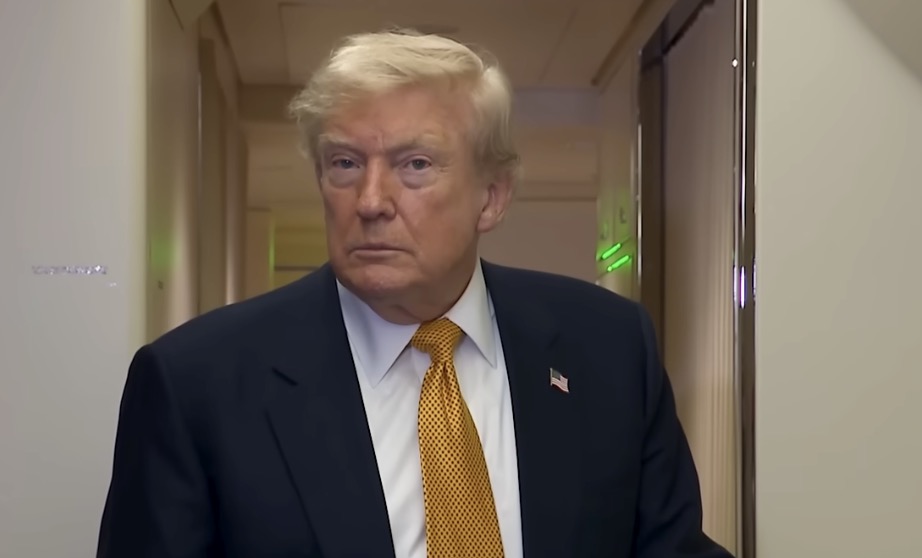
Sen. Adam Schiff criticized companies that received refunds after the Supreme Court struck down certain Trump-era tariffs, arguing they kept the money instead of reimbursing consumers who had paid higher prices. He wrote on X, “Companies got tariff refunds, consumers got screwed.”
Schiff added that executives “decided to line their own pockets” rather than return funds to shoppers. His comments referenced a ProPublica examination of how firms handled more than $100 billion in total refunds following the IEEPA tariff reversal.
The investigation found at least nine companies directed portions of refunds toward bonuses. Stanley Black & Decker received at least $298 million and TJX Companies $331 million, with some of those sums going to employee and executive payments.
Studies cited estimated consumers absorbed between 26 and 43 percent of the original tariff costs. Schiff said the pattern left shoppers without a clear path to recover the extra amounts they paid.
U.S. Trade Representative Jamieson Greer had encouraged businesses to share refund money with workers. Some firms did so through bonuses or retirement benefits, while others did not focus on consumer price reductions.
Burlington Stores, which received $55 million, planned to use its refund to lower prices rather than increase earnings. Tesla stated its refunds supported expansion of U.S. manufacturing capacity.
Tesla CFO Vaibhav Taneja linked the funds to improved third-quarter energy margins and future capital projects including Robotaxi, Optimus, solar and AI infrastructure. Elon Musk has targeted roughly 5 million vehicles annually by around 2030.
Schiff’s post framed the bonus decisions as evidence of systemic issues. “No wonder people feel the system is corrupt, and corporate greed is out of control,” he wrote.
The companies named did not immediately respond to requests for comment. The reporting distinguished between employee bonuses, which some viewed as consistent with Greer’s suggestion, and the absence of direct consumer reimbursements.
Consumers generally lacked a mechanism to claim individual refunds for the price increases they had experienced. The percentage estimates of cost pass-through informed Schiff’s call for companies to reimburse shoppers.
Tesla’s reinvestment approach differed from pure bonus distributions. Taneja noted the refunds also aided warranty-cost adjustments that supported reported margins.
The broader refund total exceeded $100 billion after the court decision. Individual company allocations varied, with only portions of the largest sums identified as bonus-related.
Schiff’s criticism centered on the gap between higher prices paid by customers and the subsequent use of refund dollars. He maintained that businesses had passed tariff costs forward and therefore owed reimbursement after receiving government money back.
Greer’s earlier appeal focused on worker sharing rather than consumer rebates. The distinction between those two priorities appeared in how different firms allocated their refunds.
Burlington’s plan to reduce prices stood out as an exception that would channel benefits through retail costs. Most other examined companies did not adopt that route.
The episode highlighted ongoing debate over who ultimately bore the tariff burden and who should receive the returned funds. Schiff used the ProPublica findings to argue that executive and employee payouts left ordinary shoppers uncompensated.
Details on exact bonus amounts and recipient levels remained limited in the public reporting. The absence of immediate company responses left the specific allocation decisions unaddressed by the firms themselves.
Join the Conversation
Keep Reading
Trump’s Unprecendented Moment on World Stage
Next House Speaker Revealed

Paris Hilton Teams Up With AOC
Fox Host Reveals Why His Family Is Stockpiling Supplies
Gas Prices Crash to Low Point

Trump Announces Historic Breakthrough


Share your perspective and reply to other readers.
Free account required. You will stay on this page.