
Trump Announces Historic Breakthrough
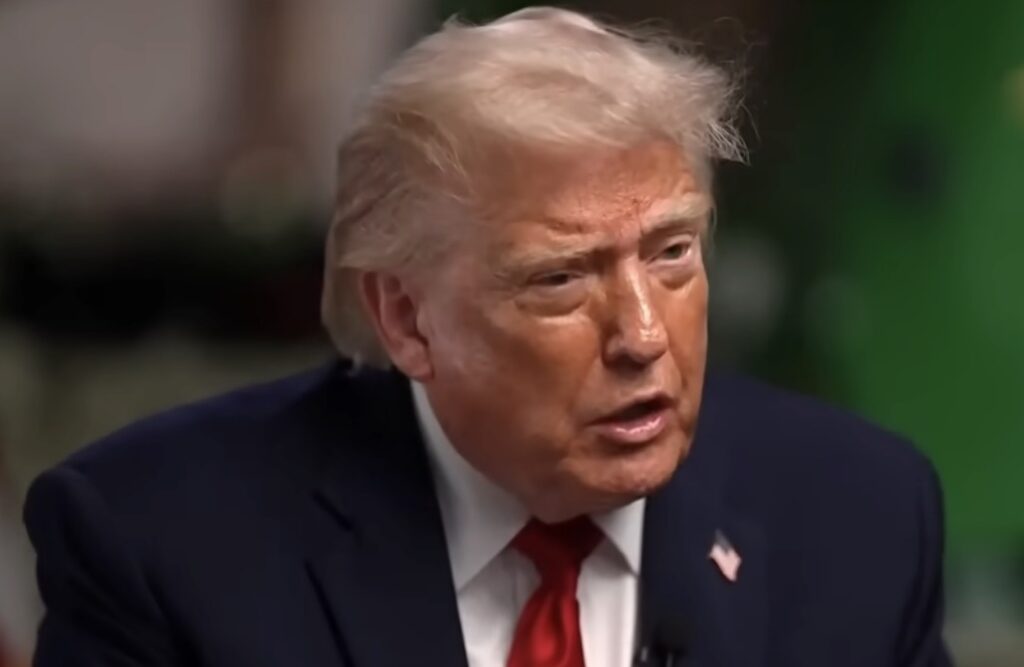
President Trump announced a trade agreement with Thailand that he described as eliminating all tariffs on U.S. exports and removing substantial non-tariff barriers. He met Prime Minister Anutin Charnvirakul for a signing the White House characterized as a trade deal.
Trump said Thailand would purchase an additional $2.6 billion in American agricultural products. He framed the outcome as expanding commerce and strengthening bilateral ties after a year of negotiations.
“I look forward to finalising the details of our formal agreement in the coming weeks,” Trump stated. Thailand’s foreign ministry had earlier described the document as a joint statement marking progress in negotiations.
The United States is Thailand’s largest export market, accounting for roughly 24 percent of Thai exports. The announcement focused on greater access for American goods and farm products in the Thai market.
Eliminating tariffs would remove taxes currently applied to U.S. imports. Non-tariff barriers, which can include regulatory or procedural hurdles, were also targeted for reduction, though specific measures were not listed.
The $2.6 billion agricultural commitment lacked an identified product list or delivery timeline in the initial announcement. Final terms will clarify how the purchase pledge translates into actual orders.
Trump presented the arrangement as bringing the countries closer and creating a foundation for a stronger trading relationship. Officials from both sides still face work to complete the formal agreement.
The White House emphasized the breakthrough and tariff elimination. Bangkok’s characterization stressed ongoing negotiation progress rather than a fully concluded pact.
Year-long talks preceded the announcement. Washington’s leverage includes Thailand’s heavy reliance on the American consumer market for its exports.
The practical effect on individual U.S. products will depend on current tariff rates and the agreement’s ultimate language. Removing those charges could improve competitiveness for American exporters.
Agriculture stood out with the concrete dollar figure. Other sectors were addressed more generally through the tariff and barrier commitments.
Implementation timing remains subject to the final text. The coming weeks will determine when tariff changes take effect and how purchase commitments are structured.
Trump’s meeting with the Thai prime minister advanced the process to the signing stage. Both governments described the step as significant, albeit with differing emphasis on completion versus progress.
The deal targets both tariff and non-tariff obstacles. Details on which non-tariff measures will be lifted will shape the scope of new market access.
Farmers were highlighted as intended beneficiaries of the additional purchase volume. The absence of a product breakdown leaves the distribution across commodities for later clarification.
Bilateral trade relations have involved extensive negotiation over the past year. The announcement positions the agreement as a step toward expanded two-way commerce.
Further technical work is required before the formal agreement is finalized. Officials indicated that remaining details would be resolved in the near term.
The overall framework aims to increase U.S. export opportunities while addressing longstanding barriers. Execution will depend on the precise terms still under discussion.
Join the Conversation
Keep Reading
Trump’s Unprecendented Moment on World Stage
Next House Speaker Revealed

Paris Hilton Teams Up With AOC
Fox Host Reveals Why His Family Is Stockpiling Supplies
Gas Prices Crash to Low Point



Epstein Autopsy Bombshell Emerges

Share your perspective and reply to other readers.
Free account required. You will stay on this page.