At the Supreme Court, Trump Aims to Cut the Power of Judges Again
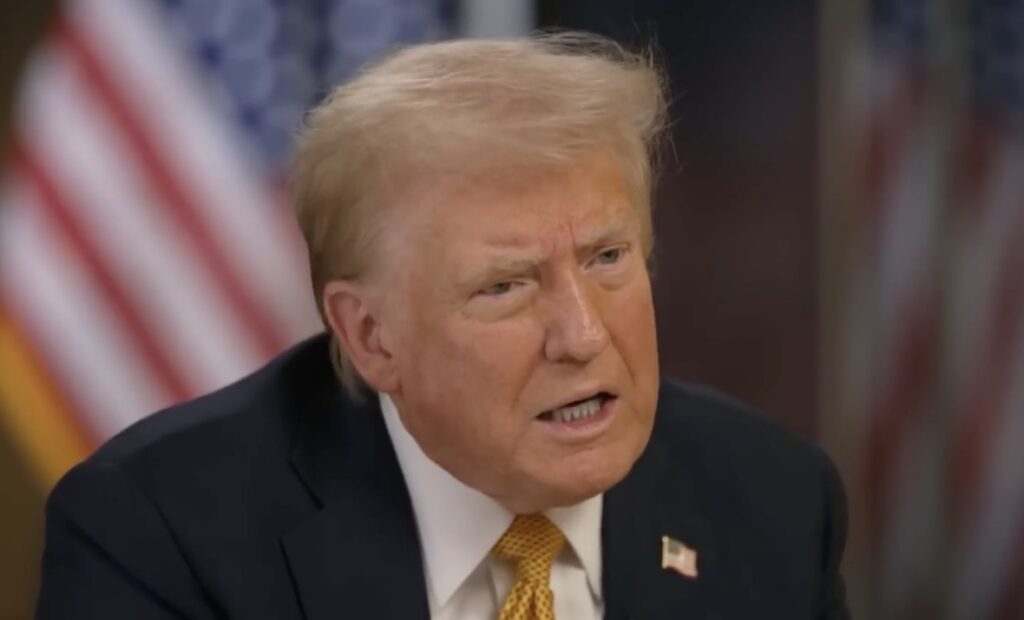
President Donald Trump’s administration is asking the Supreme Court to further limit the ability of federal judges to block actions by federal agencies, building on a 2025 ruling that already restricted nationwide injunctions. The new appeal seeks to curtail a longstanding judicial tool under the Administrative Procedure Act that some judges have used to pause agency rules while litigation proceeds.
The case arises from a challenge by Texas medical providers to federal rules implementing a statute Trump signed in his first term that limits unexpected medical bills. Trump’s Justice Department argues that lower-court judges should not be able to broadly halt agency actions that advance the president’s policy priorities.
In June 2025 the Supreme Court restricted “universal” or nationwide injunctions that had blocked Trump policies against everyone in the country, not merely the plaintiffs who sued. That earlier decision left intact other mechanisms judges have employed to impede executive actions, prompting the current appeal.
The administration has faced hundreds of lawsuits since Trump returned to office in January 2025, many of them seeking to enjoin policies on immigration, regulation, and other areas. Officials have repeatedly criticized judges they view as overreaching, while defenders of the judiciary argue that independent courts serve as a necessary check on executive power.
The pending appeal urges the justices to narrow the circumstances in which judges can freeze federal agency decisions under the 1946 Administrative Procedure Act. Sources familiar with the case indicate the Court is expected to consider whether to take up the matter early next year.
Texas providers contend the contested rules improperly implement the surprise-billing statute. The Justice Department maintains that allowing district judges to halt such rules nationwide effectively gives unelected officials the power to veto presidential priorities.
Previous Supreme Court decisions have already constrained the use of universal injunctions, a practice that expanded during Trump’s first term and continued after he left office. The current administration views the remaining judicial remedies as an ongoing obstacle to rapid implementation of its agenda.
Legal observers note that the case could affect the balance of power between the executive branch and the judiciary across a wide range of regulatory matters. The Administrative Procedure Act has long provided a vehicle for challenging agency actions that parties claim are arbitrary, capricious, or contrary to law.
Trump and his allies have argued that Democratic-appointed judges have disproportionately issued broad orders against his policies. Data on injunctions during his first term and the current administration show a pattern of challenges concentrated in certain circuits.
The White House has framed the appeal as part of a broader effort to restore what it considers the proper constitutional allocation of authority. Opponents warn that further limits on judicial review could reduce accountability for executive agencies that wield substantial rulemaking power.
The Supreme Court’s 2025 decision on nationwide injunctions was viewed as a significant victory for the administration. The new case tests whether the justices will extend that logic to other forms of preliminary relief against agency actions.
Briefing in the matter is ongoing, and the Court has not yet indicated whether it will grant review. A decision to hear the case would place the issue on the Court’s docket for the current term or the next.
The outcome could influence how quickly the executive branch can implement regulatory changes in areas ranging from healthcare to environmental rules. Both sides acknowledge that the litigation will continue at the lower-court level regardless of the Supreme Court’s action on the stay request.
The appeal underscores the administration’s sustained campaign to reduce judicial constraints on presidential initiatives. Final resolution of the underlying dispute over the medical-billing rules remains months or years away.
Join the Conversation
Keep Reading
Trump’s Unprecendented Moment on World Stage
Next House Speaker Revealed

Paris Hilton Teams Up With AOC
Fox Host Reveals Why His Family Is Stockpiling Supplies

Gas Prices Crash to Low Point


Trump Announces Historic Breakthrough

Ella Langley Dominates Taylor Swift at CMAs
Share your perspective and reply to other readers.
Free account required. You will stay on this page.