Top Democrat Turns on Own Party Just Before Midterm Elections
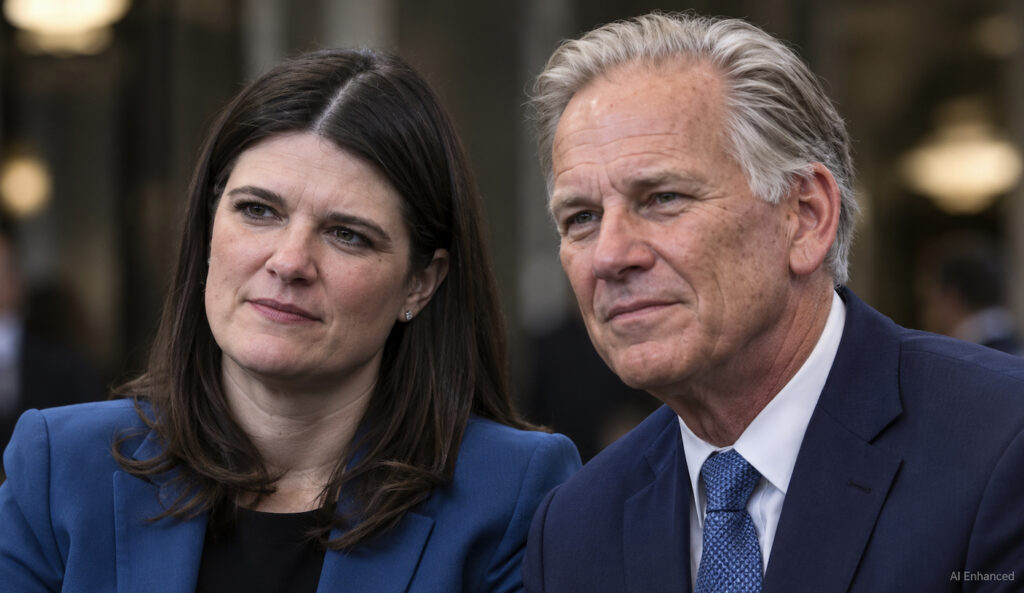
A major political shakeup has erupted in Michigan just days before the 2026 midterm elections after Democratic Rep. Haley Stevens unexpectedly endorsed Republican Senate candidate Mike Rogers, abandoning her own party’s nominee in one of the country’s most closely watched Senate races. The surprise announcement has intensified divisions among Michigan Democrats and raised new questions about whether the party can maintain control of a critical Senate seat.
The endorsement became even more controversial after Democratic Rep. Debbie Dingell revealed that Stevens had personally dismissed rumors of a possible Republican endorsement only hours before appearing alongside Rogers. According to Dingell, Stevens insisted late Saturday night that reports of her impending political reversal were inaccurate. By Sunday morning, however, Stevens had publicly aligned herself with the Republican nominee, delivering a significant political boost to Rogers just two days before Election Day.
Speaking to FOX 2 Detroit, Dingell expressed frustration over the sudden reversal, describing the earlier reports as having been dismissed as “not true.” Stevens reportedly appeared with Rogers at a Detroit church approximately five hours after her conversation with Dingell, stunning fellow Democrats who had expected her to support their party’s Senate candidate, Abdul El-Sayed.
The unexpected endorsement followed escalating tensions between Stevens and El-Sayed, who defeated her in Michigan’s Democratic Senate primary. Their relationship had deteriorated in recent days amid disagreements over campaign messaging, Israel-related political controversies and Stevens’ participation in upcoming campaign events.
According to reports, El-Sayed’s campaign had requested that Stevens refrain from attending campaign appearances through Election Day. The decision reportedly came after Stevens criticized an advertisement produced by an outside political organization that she believed unfairly connected Israel to rising grocery prices.
The dispute took on additional significance because Stevens had demonstrated substantial support among Black voters during the Democratic primary. Her participation in a Detroit church appearance had initially been viewed as an opportunity to help reunite Democrats following a contentious nomination contest.
Instead, Stevens appeared at the church alongside Rogers, transforming what might have been a Democratic unity event into a remarkable display of bipartisan political realignment.
Rogers suggested that the endorsement resulted from El-Sayed’s treatment of Stevens and his handling of disagreements within Michigan’s Democratic coalition. The Republican nominee argued that Stevens had been pushed away by her former primary opponent.
He also maintained that El-Sayed’s actions had alienated some African American voters and political figures, though those assertions reflected Rogers’ own assessment of the campaign dispute.
Rogers said he welcomed Stevens’ unexpected decision to join him at the church service, portraying her appearance as an encouraging sign for his campaign during the final stretch of the election.
Meanwhile, Stevens publicly distanced herself from the Democratic nominee. In a video posted to social media, she declared, “I don’t belong in Abdul’s campaign.”
The political fallout intensified after reports emerged that Stevens’ fiancé, Jason Turkish, a Jewish attorney and Democratic donor, had previously indicated that he intended to support Rogers rather than El-Sayed.
Stevens’ mother, Maria Marcotte, also spoke about the controversy, telling Reuters that her daughter had become concerned about political rhetoric she believed was frightening constituents.
Rogers accused Democrats of embracing increasingly hostile rhetoric, including what he characterized as “virulent hate” directed toward particular communities. His comments reflected the growing tensions surrounding Israel and antisemitism in the Michigan Senate contest.
Despite losing Stevens’ endorsement, El-Sayed’s campaign reported a substantial fundraising surge following the announcement. Campaign officials said supporters contributed approximately $1.2 million within four hours, making it their second-largest fundraising day since the August primary.
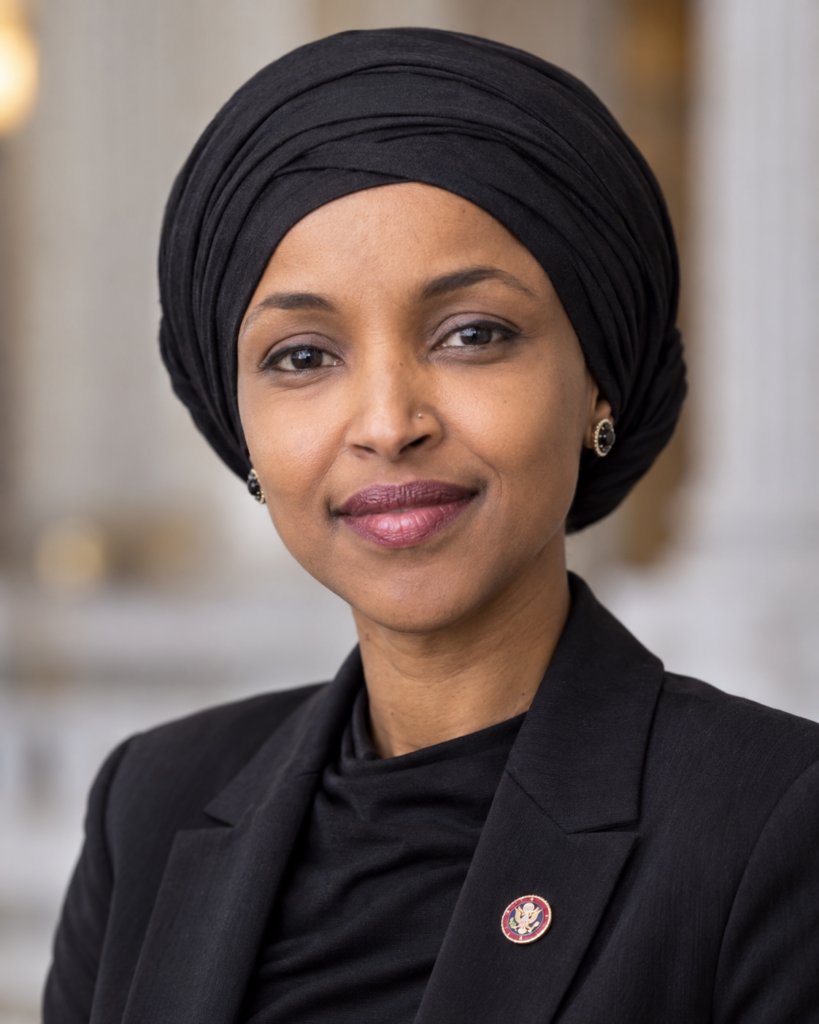
The financial response suggested that the controversy had also energized portions of El-Sayed’s Democratic base, potentially helping his campaign offset some of the political damage associated with Stevens’ decision.
The race remains particularly consequential because Republicans currently control the Senate by a 53–47 margin. Fox News Power Rankings classified the Michigan contest as a toss-up, underscoring its potential importance in determining which party controls the chamber.
With Election Day approaching, the extraordinary disagreement has left Michigan Democrats confronting an unusual situation: a prominent member of their own party openly campaigning for the Republican nominee. Whether Stevens’ endorsement ultimately influences undecided voters or strengthens Democratic support for El-Sayed remains uncertain, but the dispute has added another unpredictable element to an already competitive Senate race.
Join the Conversation
1 Comment
Keep Reading
Anti-Trump Plant Allegedly Threatens Mass Violence
Democrat Arrested 12 Days Before Midterms
Trump Obliterates ‘Fake News’ Reporter: ‘You Look Like Hell’

Share your perspective and reply to other readers.
Free account required. You will stay on this page.