
Fox Host Charles Payne Reveals Details of Personal Tragedy
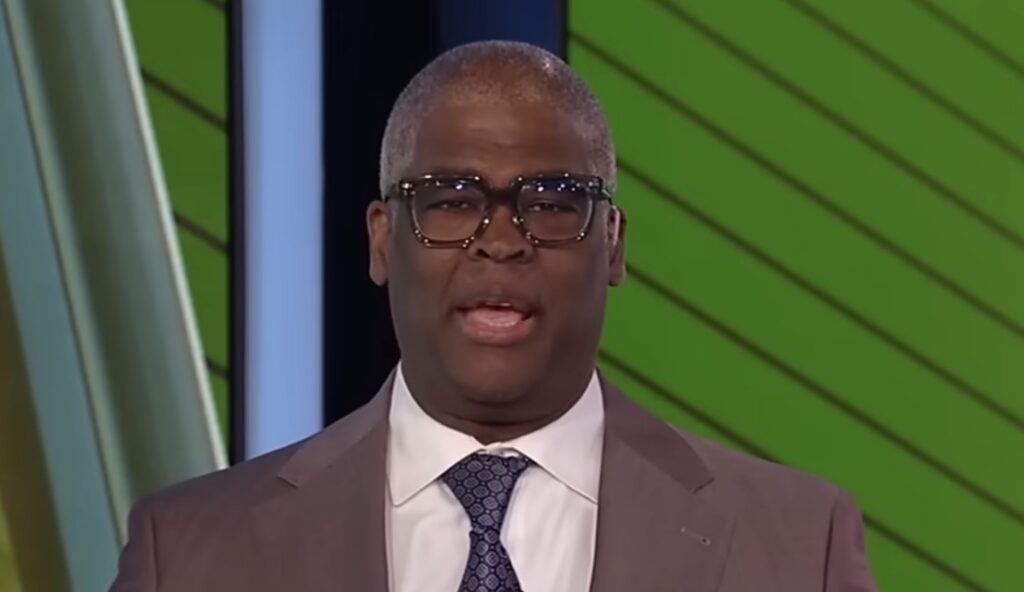
Fox Business anchor Charles Payne shared a deeply personal story on air this week, revealing that his niece had recently been shot on a Harlem street. The incident occurred on the same block where Payne himself grew up.
Payne told his co-hosts that his niece was in Harlem attending a memorial for the son of a longtime friend when she was caught in what appeared to be a targeted attack aimed at others. She required four hours of surgery and is now recovering.
“My niece was shot on the street that I grew up on,” Payne said. “She’s okay now.” He described the experience as a stark reminder of violence that continues to affect certain urban neighborhoods.
Payne linked the shooting to broader problems of gang activity. “Whether it’s in places where the opioid epidemic is out of control or places like my neighborhood was being gentrified, but this gang thing has really been amazing,” he said. “I had no idea it was getting this bad. It’s really bad.”
He added that illegal immigrants involved in gangs have become part of the problem in some areas. “These illegal immigrants are gangsters,” Payne stated. “They’re all intertwined in these gangs. No one will report on it, but it’s because it’s really bad.”
National crime statistics released around the same time painted a more encouraging picture overall. The FBI reported that the nationwide violent crime rate fell 9.3 percent from 2024 to 2025, the largest year-over-year decline since national estimates began in 1936.
Murders dropped 18.1 percent, robberies fell 18.5 percent, rape declined 7.6 percent, and aggravated assaults decreased 7.2 percent. The murder rate fell to roughly 4.1 killings per 100,000 people, levels last seen in the 1950s.
Property crime also declined sharply, dropping 12.4 percent nationwide. Burglary, auto theft, and larceny all recorded substantial decreases.
A mid-year analysis of 36 large cities by the Council on Criminal Justice found further declines in the first half of 2026. Homicides fell another 18 percent in the cities that reported data, while robberies dropped 17 percent and carjackings plunged 47 percent.
Gun assaults declined 6 percent and motor vehicle thefts fell 20 percent in the same sample. The trends suggest the possibility of another historically low homicide rate if the pattern holds through the rest of the year.
Researchers caution that the 2026 figures cover only a sample of cities and that no single policy or administration can claim sole credit for changes occurring across thousands of communities. Some categories, including domestic violence and sexual assault reports, moved in the opposite direction.
Payne’s personal account stood in contrast to the broader statistical improvement. His comments highlighted that pockets of severe gang violence persist even as national numbers improve.
The anchor’s willingness to discuss the shooting of a family member brought an emotional dimension to the ongoing public conversation about urban crime. Recovery for his niece remains the immediate focus for the family.
National data show clear progress on most major violent crime categories. Localized tragedies continue to underscore remaining challenges in specific neighborhoods.
Payne’s remarks connected a private family ordeal to larger debates about enforcement, gangs, and reporting. The conversation reflects ongoing tension between statistical gains and lived experience in certain cities.
Join the Conversation
Keep Reading

How Trump Spends Each Thanksgiving


Meghan Markle’s Father Indicted


Judge Issues Major Ruling on 2020 Election


Trump DOJ Launches Historic Criminal Crackdown



Trump Returns to Oval Office With Urgent Message for America
Share your perspective and reply to other readers.
Free account required. You will stay on this page.