American Soldier Caught Selling Military Secrets
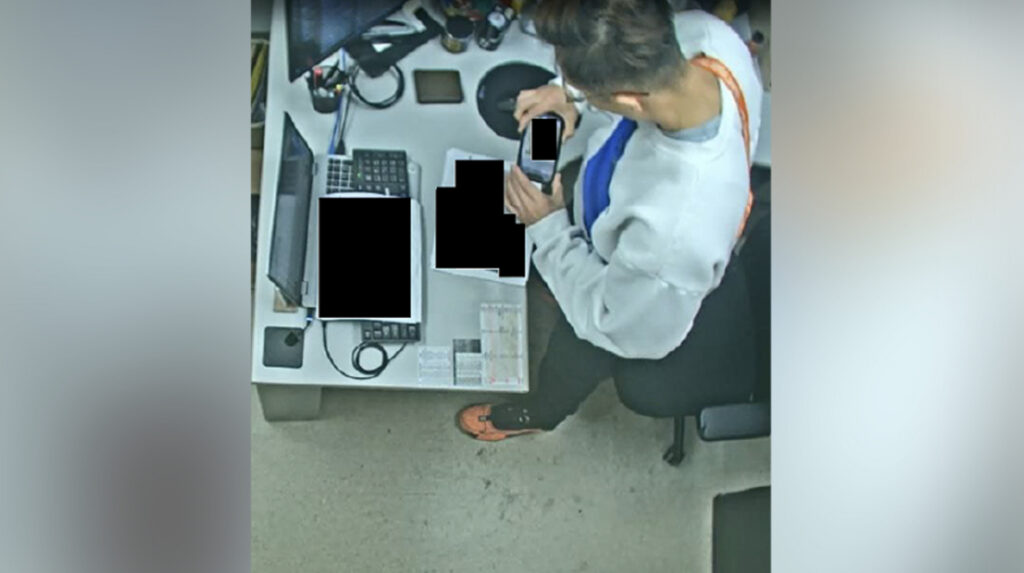
An active-duty U.S. Army sergeant pleaded guilty in a yearslong plot that turned his access to sensitive military information into a payday from buyers in China. Federal prosecutors said Jian Zhao, 37, exploited his military position to obtain and distribute materials involving American national defense.
Zhao used his personal cellphone to photograph restricted Army documents and also sold military computers and hard drives. Authorities said the operation continued for years before federal investigators ultimately intervened.
Protecting our national security depends on holding accountable those who compromise their oath and endanger the security of our armed forces.
Jian Zhao violated that trust by exploiting his access to military information and equipment for personal profit while knowingly providing materials to individuals linked to China.
Press Release: https://t.co/iSPMCtyP05
— US Attorney Scott Bradford (@USAttyBradford) November 23, 2026
“Protecting our national security depends on holding accountable those who compromise their oath and endanger the security of our armed forces,” U.S. Attorney Scott E. Bradford said.
Federal prosecutors said Zhao violated the trust placed in him by the United States military, exploiting his access to sensitive materials for personal financial gain while providing information to individuals linked to China.
Zhao pleaded guilty to conspiring to gather, transmit, and transfer national defense information. The charge carries significant criminal penalties and reflects the federal government’s efforts to prevent unauthorized disclosures of sensitive military intelligence.
Zhao enlisted in the U.S. Army in 2017 and served as a battery supply sergeant at Joint Base Lewis-McChord in Washington. His military responsibilities and security clearance provided him with access to sensitive equipment and information.
Rather than protecting those materials, prosecutors said Zhao used his position to obtain documents that could be sold to overseas buyers. His actions circumvented safeguards designed to prevent unauthorized individuals from accessing military information.
The documents he photographed covered Army operations, communications networks, military exercises, and rocket and missile systems. The materials also included excerpts from technical manuals for the High Mobility Artillery Rocket System, commonly known as HIMARS.
The advanced rocket system is an important component of American military capabilities. Unauthorized disclosures involving such equipment could potentially provide foreign entities with valuable insight into U.S. military technology and operations.
Prosecutors said Zhao collected thousands of dollars in exchange for materials he described as sensitive, secret, or top secret. The financial transactions were central to the conspiracy and demonstrated the personal profit motive behind his conduct.
Federal investigators traced the operation to late 2021. The conspiracy involved multiple individuals and extended beyond Zhao’s own activities within the Army.
Ruoyu Duan, a former U.S. Army soldier, recruited Zhao and other military personnel into the operation. Prosecutors said Duan helped facilitate payments from buyers located in China.
Duan previously pleaded guilty to related criminal charges. His involvement highlighted how individuals with military backgrounds can exploit professional relationships and knowledge of government security procedures.
Federal agents arrested Zhao at his residence in Lacey, Washington, on March 6, 2025. During their investigation, authorities recovered approximately $30,000 in cash, electronic devices, and multiple Army hard drives.
Under the terms of his plea agreement, Zhao agreed to forfeit $17,500 in proceeds connected to his criminal activities. The forfeiture is separate from any additional financial penalties imposed at sentencing.
Brig. Gen. Sean Stinchon of Army Counterintelligence Command emphasized that the conspiracy jeopardized the safety of American soldiers. The unauthorized transfer of military information can undermine operational security and expose vulnerabilities to foreign entities.
The case underscores the ongoing counterintelligence challenges facing the U.S. military, particularly efforts to prevent foreign actors from obtaining sensitive defense information through personnel entrusted with protecting it.
Zhao faces up to 10 years in federal prison, a maximum fine of $250,000, and up to three years of supervised release. His sentencing is scheduled for March 1, 2027.
Join the Conversation
Keep Reading

Ilhan Omar Investigation Takes Major Turn
Trump Unleashes on Gavin Newsom

Trump Announces Major Death Penalty Move
Arrest Made Over Alleged Trump Assassination Threat



Arrests Made After Royal Family Break-In
Democratic Party Leader Self-Deports

Share your perspective and reply to other readers.
Free account required. You will stay on this page.