Trump Announces Major New Tariff Plan
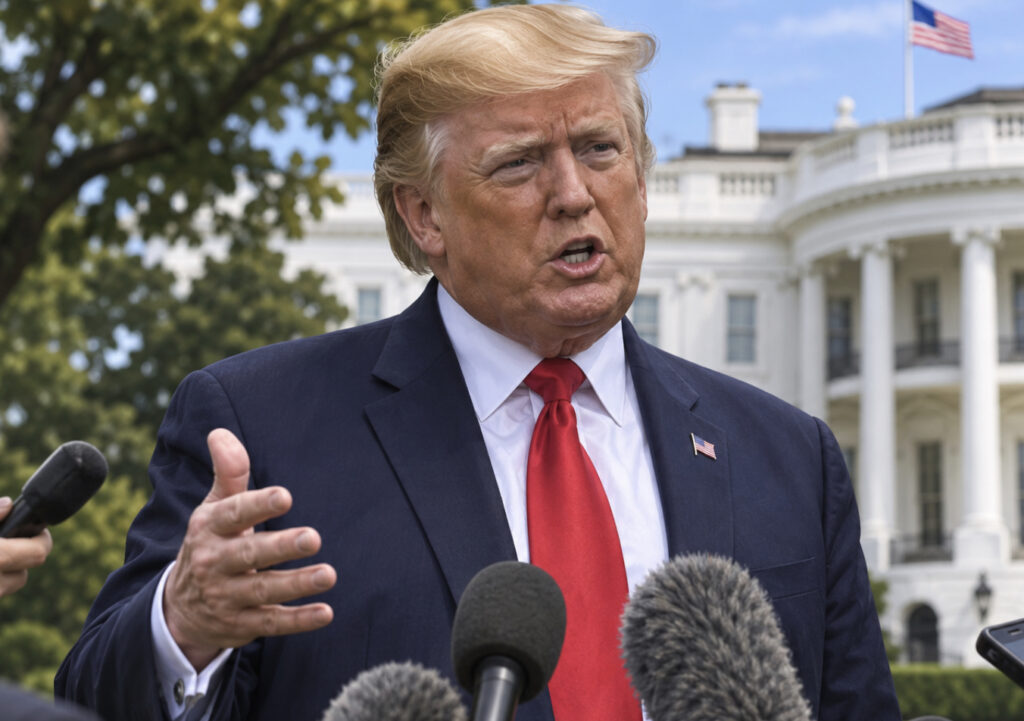
The Trump administration announced a new wave of tariffs targeting China and 13 other major trading partners, raising the total tariff rate on Chinese goods to 45 percent with an additional 20 percent increase. Duties will also rise on specific products from the European Union, Singapore, Switzerland, Indonesia, Malaysia, Cambodia, Thailand, Korea, Vietnam, Taiwan, Bangladesh, Japan, and India.
Brazil faces particularly steep increases on raw and refined sugar plus a new 10 percent levy on aircraft. The measures are intended to counter what the White House calls market-distorting industrial strategies that undercut American manufacturers.
U.S. Trade Representative Jamieson Greer said many partners have relied on manufacturing targeting, wage suppression, financial support, and non-market inputs that erode the U.S. industrial base. The tariffs are proposed under Section 301 of the Trade Act of 1974 following months-long investigations.
A senior administration official said the tariffs remain in the proposal phase with no immediate implementation timeline and will not be stacked on top of existing duties. Economist Stephen Brown of Capital Economics described the announcement as less alarming than it first appears because the new rates largely replace earlier Section 301 tariffs.
Tariffs have been central to the administration’s economic agenda, though legal challenges have complicated earlier efforts. The average statutory U.S. tariff rate currently stands at 11.2 percent.
A CBS News poll after the midterms found 66 percent of respondents said Trump’s tariffs have hurt the national economy. Small-business groups warned the new duties could raise prices during the holiday season.
“Three weeks ago, voters unambiguously rejected tariffs that have worsened the affordability crisis and devastated small businesses,” said Dan Anthony of the We Pay the Tariffs coalition. “Customers can’t afford more price increases, but small businesses can’t afford to absorb tariffs on top of tariffs either.”
The USTR is still investigating Mexico and Norway without imposing new tariffs on those countries. Officials emphasize the measures are product-specific rather than across-the-board.
Trade tensions continue to escalate as the administration seeks to protect domestic manufacturing. Businesses and consumers face potential cost increases if the proposed duties take effect.
The announcement follows completed investigations into the trade practices of the listed partners. Further details on timing and exact product lists are expected.
Join the Conversation
Keep Reading

Meghan Markle’s Father Indicted
Trump Returns to Oval Office With Urgent Message for America

Ilhan Omar Investigation Takes Major Turn
Trump Unleashes on Gavin Newsom
Trump Announces Major Death Penalty Move

Arrest Made Over Alleged Trump Assassination Threat



Share your perspective and reply to other readers.
Free account required. You will stay on this page.