
Trump Announces Full Pardon For MLB Legend
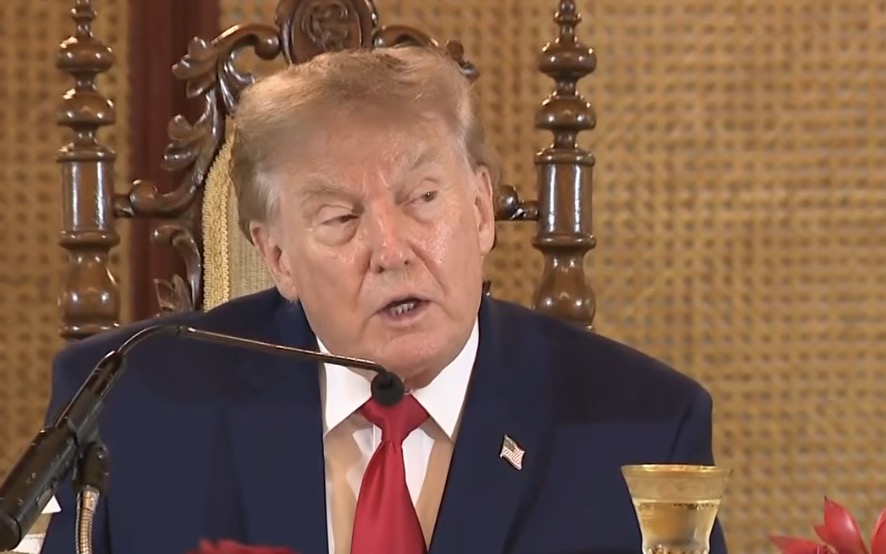
President Donald Trump announced a complete and total posthumous pardon for the late Pete Rose, Major League Baseball’s all-time hits leader. Rose, who died in 2024 at age 83, held the career record with 4,256 hits over 24 seasons and was banned from the sport for gambling on games, including those involving his own teams.
Trump made the announcement on Truth Social while returning from a trip to Asia, calling Rose “a true Baseball SUPERSTAR & LEGEND” and criticizing Major League Baseball for treating him “terribly” by keeping him out of the Hall of Fame, writing “Politics, I guess!” The pardon specifically addresses Rose’s 1990 federal tax convictions.
Rose pleaded guilty in 1990 to two counts of filing false tax returns after failing to report more than $350,000 in income from memorabilia sales, appearances, and gambling winnings. He served five months in a minimum-security prison, paid fines and back taxes, and received community service.
The gambling ban dated to 1989, when an MLB investigation found Rose had bet on baseball while playing for and managing the Cincinnati Reds. He agreed to a permanent ban that also blocked Hall of Fame eligibility under a 1991 rule.
In May 2025, MLB Commissioner Rob Manfred posthumously removed Rose and others from the permanently ineligible list, restoring eligibility for Hall consideration. Trump had long advocated for Rose’s inclusion and previously floated a pardon.
Trump’s post listed many of Rose’s achievements, including 3,562 games played (an MLB record), 17 All-Star selections, three World Series titles, and a .303 career batting average. He incorrectly described the 4,256 hits as a single-season total before the post was clarified.
The pardon does not automatically place Rose in the Hall of Fame. He could be considered by the Classic Era Committee as early as 2027 or 2028, needing votes from a majority of the panel.
Rose, nicknamed “Charlie Hustle,” remained polarizing among fans and officials for decades after the ban. Supporters argued the lifetime punishment was excessive, especially as sports betting became widely legalized.
Critics maintained that betting on one’s own team undermined the integrity of the game and that the tax conviction was a separate legal matter the pardon now resolves.
Trump has previously called for Rose’s Hall induction and compared his situation to that of other players denied entry, such as Roger Clemens. The announcement continues Trump’s pattern of using clemency in high-profile cases.
White House officials confirmed the pardon targets the tax charges. Rose was never criminally charged for the gambling itself.
The move drew mixed reactions. Some viewed it as overdue recognition of Rose’s on-field legacy; others saw it as unnecessary for a deceased individual already reinstated by MLB.
Rose’s family and supporters had long sought both MLB reinstatement and legal relief. The 2025 MLB decision opened the Hall path; the presidential pardon closes the federal criminal chapter.
Trump’s Asia trip context included meetings with world leaders. The Rose announcement came amid that travel and broader clemency discussions.
Hall of Fame eligibility remains a separate process controlled by the Hall’s own committees and voters, independent of presidential action or MLB status.
The pardon is consistent with Trump’s earlier public statements that Rose “went through 40 years of hell” and deserved consideration despite the gambling.
Rose’s record as the hits king stands, and the pardon removes one remaining legal stain from his post-career life.
Whether the gesture changes public or voter sentiment toward Hall induction will play out in future committee votes.
Join the Conversation
Keep Reading

Democrat’s Criminal Case Takes MAJOR Turn
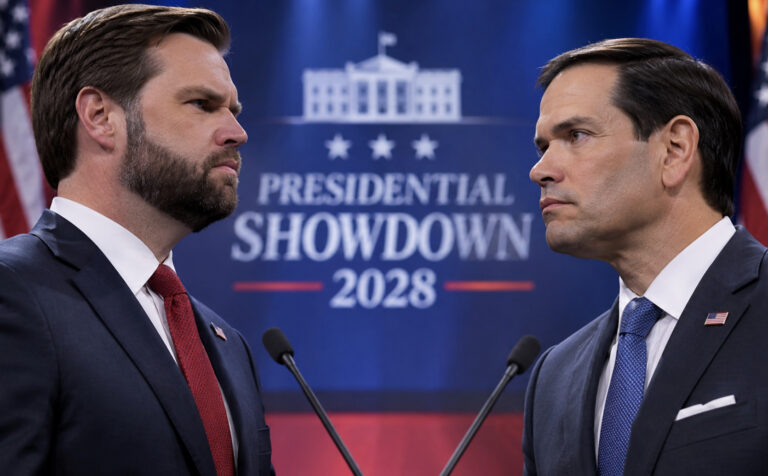
Shock 2028 Poll on Rubio And Vance

Netflix Actor Found Dead at 38
Trump’s Unprecedented Moment on World Stage
Next House Speaker Revealed

Paris Hilton Teams Up With AOC
Fox Host Reveals Why His Family Is Stockpiling Supplies

Gas Prices Crash to Low Point


Share your perspective and reply to other readers.
Free account required. You will stay on this page.