Why It Feels Like the Entire Internet Is Breaking Right Now — and What’s Really Going On
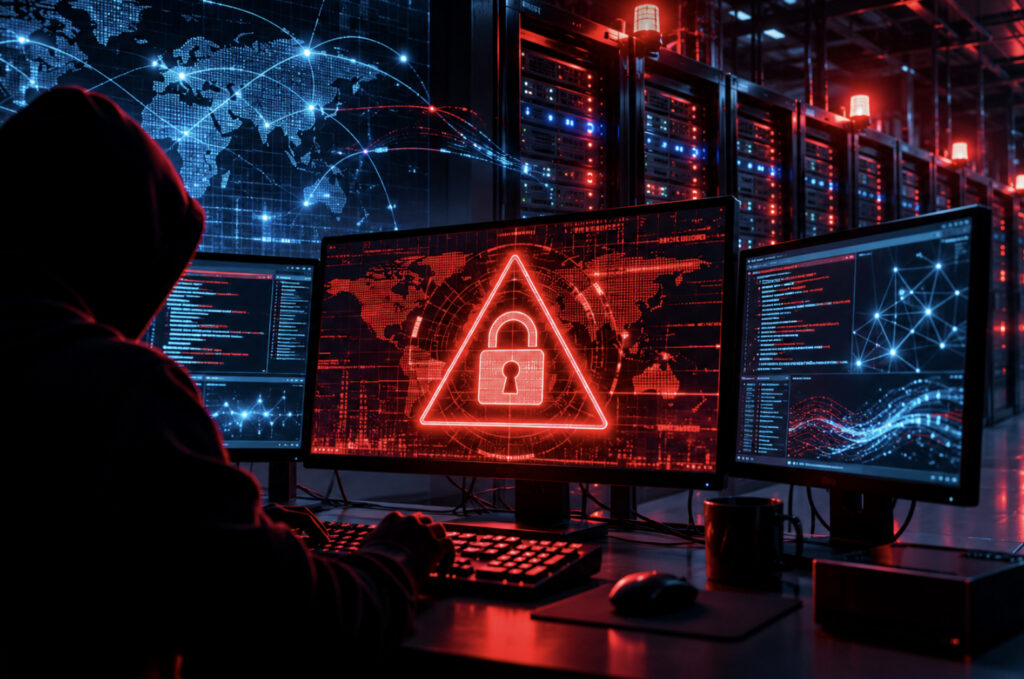
A series of major outages has struck Microsoft services, JPMorgan Chase, Apple Pay, United Airlines, and even an internal National Security Agency network in recent days, prompting widespread concern about the resilience of critical digital infrastructure. The disruptions have affected email, banking, payments, air travel, and classified government communications, exposing how dependent large portions of the economy have become on a relatively small number of underlying systems.
On Tuesday, Apple reported temporary outages affecting the App Store, iCloud, and Apple Pay; the company attributed the problems to an internal software update and said services were largely restored later in the day. Earlier in the week Microsoft Outlook, Teams, and related services experienced extended downtime, while United Airlines and Chase encountered significant operational interruptions.
The National Security Agency confirmed that a classified internal communications network experienced temporary degradation during scheduled maintenance; officials stated that mission-critical capabilities remained operational. The Federal Emergency Management Agency successfully conducted a test of the Emergency Alert System on the same day as several of the commercial outages.
Administration officials, including Secretary of State Marco Rubio, have stated there is zero evidence linking the incidents to a coordinated cyberattack. Rubio acknowledged that the succession of outages has left some Americans uneasy.
Separate reporting indicated that malicious code had been inserted into websites belonging to Zoom, HSBC, Equifax, CNN, Salesforce, and IKEA in an apparent effort to steal cryptocurrency and infect devices. Those compromises were described as distinct from the service outages caused by software updates and configuration issues.
Industry analysts have noted that many of the problems originated in “middleman” software or routine update processes rather than direct attacks on the largest platforms themselves. A single failure inside a widely used system can cascade to thousands of businesses and millions of users.
Costco and other retailers reported increased purchases of bottled water, generators, and batteries as social-media discussion of the outages intensified. The incidents have renewed debate about the concentration of digital infrastructure and the speed at which software updates are now deployed.
The FAA experienced a nationwide ground stop earlier in the period, later attributed to a router-related issue during an upgrade. That event canceled more than 20,000 flights and produced ripple effects across the transportation system.
Apple stated that it had ruled out a cyberattack as the cause of its outage. Microsoft similarly described its earlier problems as internal. The NSA characterized its network issue as a maintenance-related degradation rather than an external breach.
Experts have observed that the velocity of software patching and updating has increased dramatically, raising the probability of unintended failures even in the absence of malicious activity. The combination of commercial and government outages in a short window has nevertheless heightened public anxiety.
No single root cause has been identified that explains every incident. Officials continue to investigate each outage independently while emphasizing that the problems appear unrelated to one another.
The events have illustrated the practical consequences of heavy reliance on a limited set of technology providers for everyday functions ranging from payments to air-traffic control.
Join the Conversation
Keep Reading


Trump Assassination Plotter Learns His Fate
Democrats Reveal Their Next Move

Mamdani Just Made It Easier For Terrorists In NYC


Mamdani Just Made A HUGE Mistake

Buckley Carlson Is NOT Funny!



Murder Suspect RELEASED by NYC

Share your perspective and reply to other readers.
Free account required. You will stay on this page.