Mamdani Just Made It Easier For Terrorists In NYC
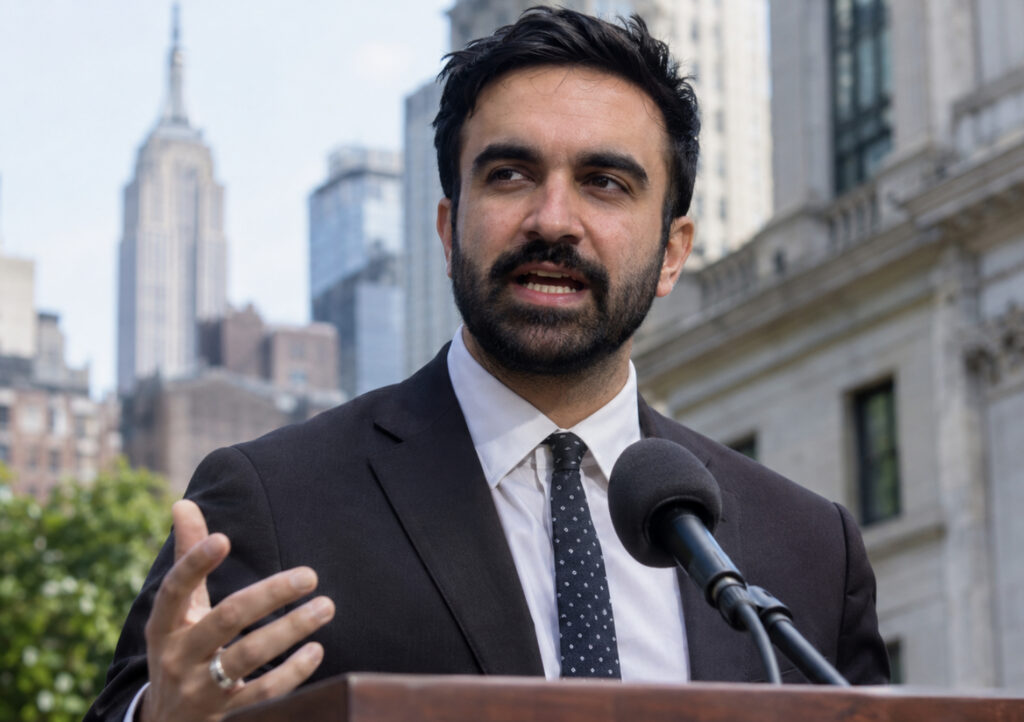
New York City Mayor Zohran Mamdani announced on Monday that he is disbanding the NYPD’s elite Strategic Response Group, the specialized unit long tasked with responding to terror threats, mass shootings, and large-scale public disorder including rioting crowds. The move fulfills a longstanding campaign pledge from the democratic socialist mayor, who has argued that counterterrorism duties and protest management should never have been housed under the same command structure.
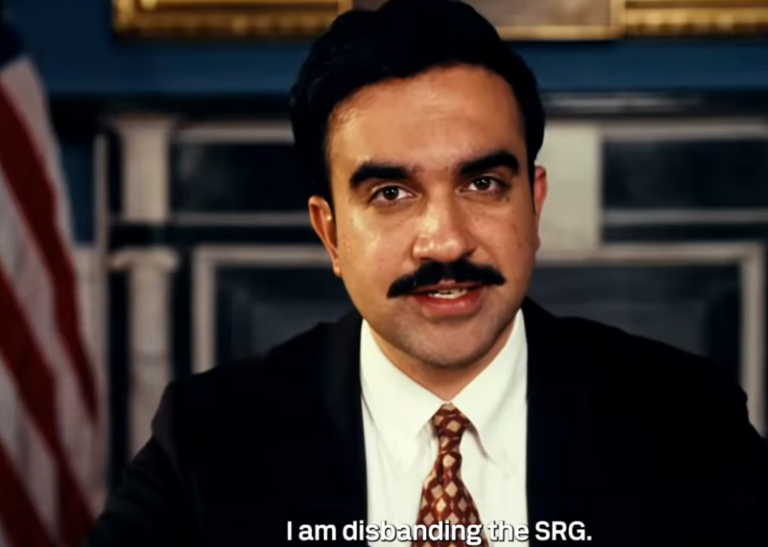
Mamdani made the announcement in a video posted on X alongside Brooklyn Councilman Chi Ossé, a vocal critic of the unit who has spent years pushing to curb its powers. “I am disbanding the SRG,” the mayor stated, describing the decision as a promise kept. “SRG was tasked with both counterterrorism enforcement and protest response. Those are not the same, and they should be separated.”
Under the restructuring, protest response shifts to a new Community Dialogue and De-escalation Division housed inside the mayor’s Office of Community Safety. That division will be staffed entirely by civilians who will not carry firearms and will lack any authority to place people in handcuffs or make arrests.
A smaller 30-officer First Amendment Support Team drawn from existing NYPD ranks will act as an intermediary between the civilian unit and uniformed police. Separately, a new Patrol Support Division will provide crowd-control training to regular patrol officers who can be called in if arrests become necessary.
Counterterrorism responsibilities previously handled by the Strategic Response Group will be absorbed into an existing NYPD command rather than eliminated. The overall plan also prohibits officers from carrying long guns at demonstrations and bars the use of kettling tactics or tear gas during crowd-control situations.
Pepper spray is removed as a tool for managing protests, and police sound cannons will be limited to a maximum of 90 decibels. Mamdani noted that officers could still be summoned to arrest individuals engaged in civil disobedience, then turned to Ossé and remarked, “We both know something about that.”
Critics of the Strategic Response Group have long contended that the unit applied overly aggressive tactics against demonstrators, chilling First Amendment activity. Supporters of the unit have argued that its specialized training and rapid-deployment capability are essential for protecting the city against both terrorism and large-scale disorder.
Police Commissioner Jessica Tisch has indicated she would not support changes that reduce the department’s ability to confront serious threats or leave officers without adequate resources. The civilian de-escalation division is not expected to become fully operational until at least 2028, creating a multi-year transition period.
In the interim, the First Amendment Support Team and Patrol Support Division will handle protest duties while the Strategic Response Group is phased out. The mayor’s office has framed the changes as requiring no additional funding and producing no net increase or decrease in overall NYPD headcount.
The announcement drew immediate praise from civil-rights organizations that have criticized the Strategic Response Group for years. Police unions have expressed concern that the shift toward civilian-led responses could leave the city less prepared for rapidly escalating situations.
Mamdani has consistently maintained that the city can protect public safety while reducing the militarized appearance of protest policing. The decision also advances related legislation, including the Curb Act sponsored by Ossé, which seeks to codify limits on certain crowd-control methods.
Implementation details continue to be refined between the mayor’s office and the NYPD leadership. The Strategic Response Group is expected to be dissolved by mid-February under the current timeline.
Observers note that the unit has historically been deployed only to a small fraction of the thousands of protests the city hosts each year, typically when criminal activity is anticipated. The long-term effectiveness of the civilian-led model will depend on how well it performs when demonstrations turn confrontational.
The restructuring represents one of the most significant changes to NYPD crowd-management policy in recent years.
Join the Conversation
Keep Reading
Trump Assassination Plotter Learns His Fate

Democrats Reveal Their Next Move
Mamdani Just Made A HUGE Mistake
Buckley Carlson Is NOT Funny!
Murder Suspect RELEASED by NYC
Share your perspective and reply to other readers.
Free account required. You will stay on this page.