Chuck Schumer Faces Major Revolt From Democrats
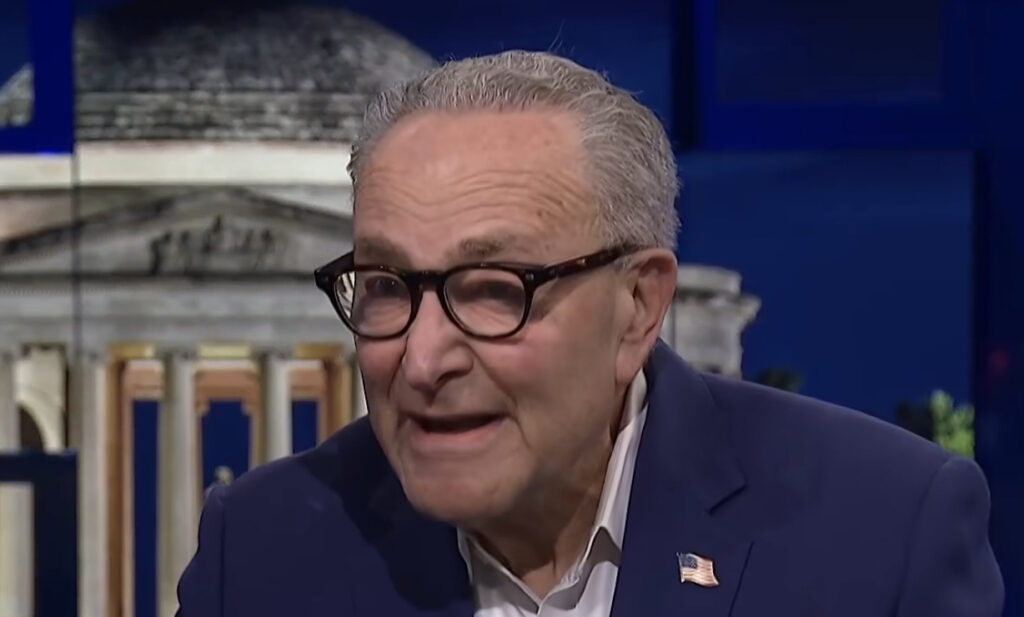
Maryland Sen. Chris Van Hollen announced that he will challenge New York Sen. Chuck Schumer for Senate majority leader. The closed-door secret-ballot vote is set for December 1. Van Hollen said the midterm results constituted “a huge outburst of democracy” and a call “to reject the status quo and to reject business as usual.” He added, “To do that, I think we need new leadership.”
Schumer has led Senate Democrats since 2017. Van Hollen described himself as the underdog and acknowledged that the incumbent holds the advantages of long tenure and the ability to deliver benefits to colleagues. He nonetheless claimed the support of more than ten senators and received early backing from incoming freshman Abdul El-Sayed of Michigan and from Sen. Bernie Sanders.
Van Hollen argued that voters sought not only a rejection of Trump’s policies but also “a change from the status quo that isn’t working for working people” and a response to “a broken economic system that’s rigged in favor of the very wealthy.” He has criticized Schumer and the Democratic Senatorial Campaign Committee for aligning with cryptocurrency interests and with AIPAC against progressive candidates.
Schumer responded that he welcomes discussion about the future of the caucus and that he has the votes to remain leader. Independent Sen. Angus King of Maine, who caucuses with Democrats, quickly endorsed Schumer. Several returning members and most incoming freshmen have declined to commit publicly to the incumbent.
The leadership election will be the first major test of Schumer’s standing after Democrats secured a Senate majority in the midterms. Van Hollen, who has also considered a presidential run, framed the contest as larger than any single personality. He has served in both House and Senate leadership positions during a career that includes 14 years in the House before his 2017 arrival in the Senate.
The progressive wing of the caucus has grown more vocal in its desire for a bolder economic agenda. Van Hollen’s candidacy channels that sentiment even if the numerical odds remain against him. Schumer’s long record of delivering majorities and legislative results supplies the counter-argument.
No public whip count has been released. Van Hollen’s claim of double-digit support indicates that the challenge is more than symbolic, yet still short of a majority in a caucus of roughly 55 Democrats and independents. The December 1 vote will settle the question.
Schumer’s allies emphasize continuity and the practical advantages of experienced leadership heading into a period of unified Democratic control of Congress. Van Hollen’s supporters counter that the midterm mandate requires a shift in both personnel and priorities. The debate is now internal and will be resolved by secret ballot.
Van Hollen’s statement stressed that the race is “not about any one individual” but about answering the electorate. That framing seeks to broaden the contest beyond a personal rivalry. Schumer has not engaged the substance of the critique in detail.
The timing follows immediately on the heels of the midterm results. Democrats gained control of both chambers, creating an opening for internal reassessment that would have been less feasible in the minority. Van Hollen moved quickly to occupy that opening.
Sanders’s endorsement signals that at least part of the party’s left flank sees value in a leadership change. El-Sayed’s support from the incoming class suggests the challenge may draw strength from newer members. Schumer retains the institutional edge.
The vote is scheduled for early December, giving both sides several weeks to consolidate support. Public declarations remain limited. Most senators have preferred to keep their preferences private until the ballot.
Van Hollen has positioned the contest as a response to economic conditions that predate the Trump presidency. His critique of the status quo therefore extends beyond opposition to the current administration. That broader argument is the core of his case.
Schumer’s response has been measured, focusing on the size of the new majority and his confidence in retaining the post. He has not attacked Van Hollen by name. The tone of the early exchange has been relatively restrained.
The outcome will shape the Democratic agenda for the next two years. A Van Hollen victory would mark a significant generational and ideological shift. A Schumer win would affirm continuity after a successful midterm cycle.
Further endorsements are expected in the coming days. The closed nature of the vote limits the value of public pressure. The final tally on December 1 will determine who leads the Senate majority.
Join the Conversation
Keep Reading



Legendary NBC Anchor DEAD at 64

Hollywood Stars’ Son ARRESTED in Disturbing Crime

Multiple DEAD in NYC Building Collapse

Beloved TV Star DEAD at 62


Trump Reveals Major Plan to Punish Mexico

Share your perspective and reply to other readers.
Free account required. You will stay on this page.