Trump Administration Issues CHILLING Warning to Democrats
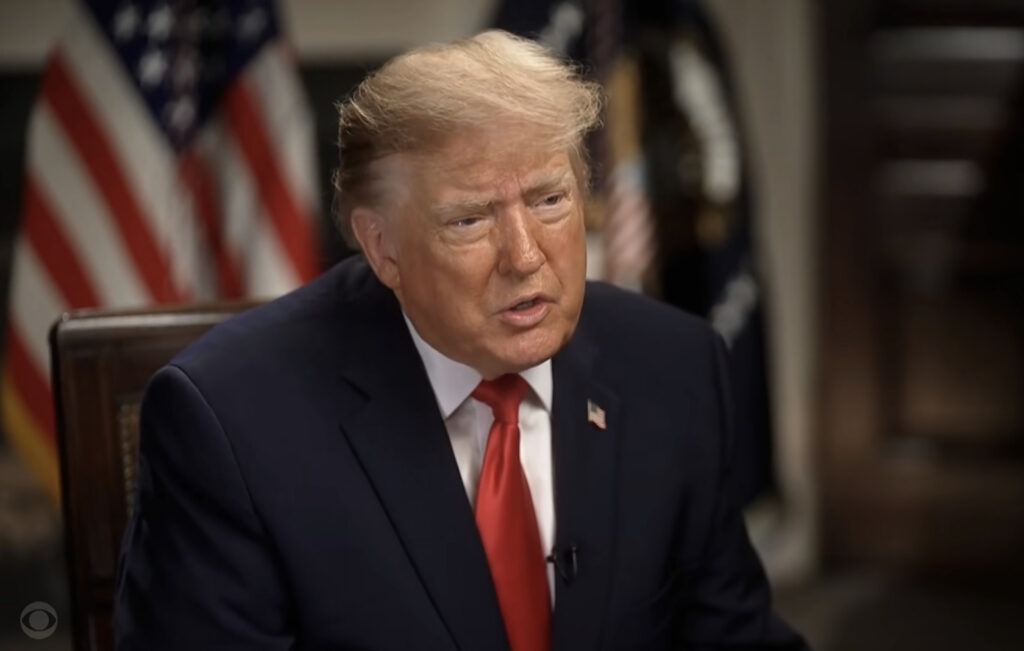
White House Counsel William Scharf sent a formal letter on November 9 to incoming House Oversight Committee leader Robert Garcia, cautioning Democrats against overreaching with subpoenas and investigations once they take the majority after the 2026 midterms.
The missive emphasized constitutional boundaries on congressional probes, arguing that actions motivated by harassment rather than legitimate legislative purpose could invite legal challenges or worse.
Garcia, a California Democrat poised to chair the panel, pushed back by asserting that Congress derives its authority from Article I, not White House approval, and accused the administration of seeking to shield potential wrongdoing.
Legal analysts across the spectrum noted that while the executive branch can contest specific subpoenas through privilege claims or court fights, pursuing criminal cases against lawmakers faces steep hurdles due to Speech or Debate Clause protections.
Ilya Shapiro of the Manhattan Institute observed that committees must stay within jurisdiction and connect demands to real legislative ends, or risk inviting challenges.
Hans von Spakovsky highlighted the Watkins v. United States precedent, which bars enforcement of investigations aimed solely at private exposure or spite, yet questioned whether any criminal statute clearly applies without physical threats.
Will Chamberlain suggested that separate conspiracies to intimidate officials via threats or press statements might theoretically trigger statutes like 18 U.S.C. 372, but official oversight itself remains protected.
Molly Nixon of the Cato Institute agreed the letter correctly stresses legitimate purpose requirements but called the leap to criminality unfounded.
Devon Ombres of the Center for American Progress dismissed any viable basis for prosecuting oversight and predicted the administration would instead flood subpoenas with lawsuits.
Scharf’s letter specifically flagged public statements promising indiscriminate subpoenas as evidence of intent to harass and deter service rather than legislate.
Garcia responded that voters demanded rooting out corruption and that Democrats would not be deterred by what he termed baseless threats from a weaponized Justice Department.
The exchange followed Democratic pledges for probes into Trump administration officials after midterm losses flipped House control.
Experts concurred that courts will likely scrutinize any subpoena’s legislative nexus closely.
Privileges can be asserted and negotiated, but outright criminal pursuit of lawmakers for oversight remains improbable.
The Speech or Debate Clause continues to shield core investigative acts within the legislative sphere.
Both sides appear braced for prolonged litigation over the scope of incoming probes.
Scharf warned that threats designed to instill fear or deprive rights might warrant further investigation. Garcia maintained Congress holds wide latitude inherent in its legislative power.
The standoff underscores tensions as Democrats prepare to exercise majority oversight authority.
Join the Conversation
Keep Reading


DC Shooter Identified — It’s Deeply Disturbing

Country Music Legend SNUBBED — Stars Erupt
Former Obama CIA Director’s Son ARRESTED
Country Music Legend Given Just 1% Chance to Survive
Mike Pence Drops 2028 Bombshell
Supreme Court Justice Issues Warning
Share your perspective and reply to other readers.
Free account required. You will stay on this page.