
New Details Emerge About JFK Jr.’s Death
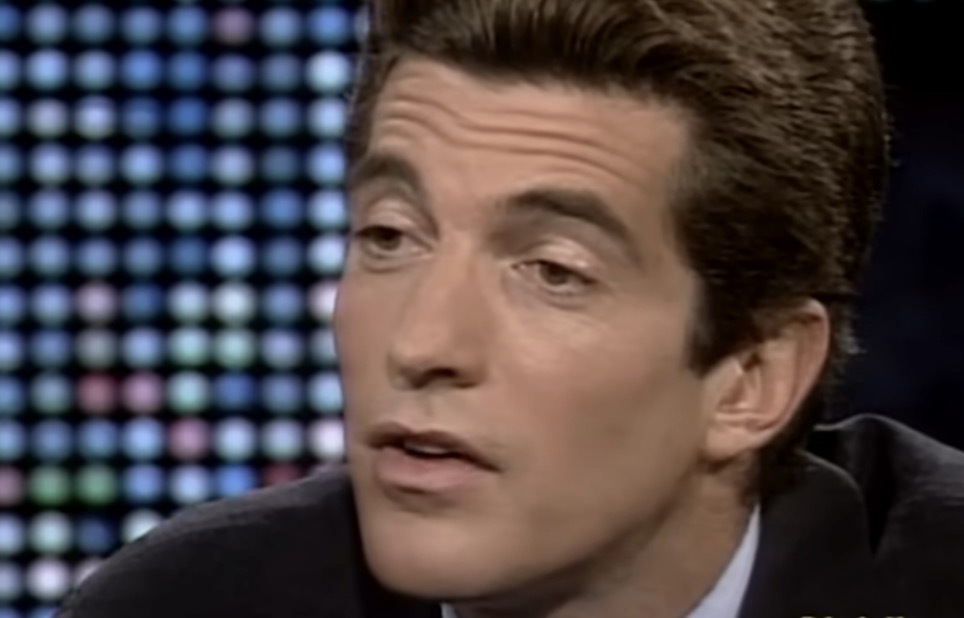
New details from the Coast Guard captain who led the search for John F. Kennedy Jr. reveal that Sen. Ted Kennedy issued a strict demand after divers located the bodies. He insisted that his nephew, Carolyn Bessette Kennedy, and her sister Lauren Bessette all be brought to the surface together.
Retired Capt. W. Russell Webster co-wrote the book “The Last Flight” with his wife, maritime historian Theresa Mitchell Webster. The volume recounts the five-day recovery mission after Kennedy’s single-engine plane crashed into the Atlantic off Martha’s Vineyard in July 1999.
Navy divers recovered the three bodies on July 21, five days after the crash. Webster said the senator’s request complicated standard procedures because bodies are normally recovered individually.
“It became more complicated to ensure that his family’s wishes were followed,” Webster told Fox News Digital. Ted Kennedy insisted his nephew not be recovered as a priority even though John F. Kennedy Jr.’s body was found outside the wreckage while the two women remained trapped inside.
The book states that the senator was adamant the three be raised at the exact same time in a single salvage basket. Staffers initially pushed for Kennedy to be recovered first, but the senator refused any appearance of preferential treatment.
Divers on the USS Grasp used a large metal basket designed to hold all three. They were raised together so no preferential treatment was shown.
The Bessette sisters were found still strapped into their seats inside the upside-down fuselage. Kennedy’s body lay on the ocean floor near the wreckage after the roof and windows of the Piper Saratoga were blown out on impact.
Ted Kennedy remained a constant presence throughout the recovery. Once the remains were transferred to a Coast Guard vessel, he and his sons boarded with them and invited the crew to join the family in prayer with a Navy chaplain present.
When the boat reached shore, Kennedy overruled an aide who wanted to wait for more relatives. He insisted the caskets be moved immediately to the waiting hearses and helped carry them.
After the operation, Kennedy and his wife visited Webster’s command at Woods Hole. They recognized the crew, took photographs, and distributed cookies and brownies.
Search teams also faced the risk of looters or fishermen finding the wreckage first. The area was active fishing grounds, and the possibility of personal items being taken for profit added urgency.
A fisherman casting for striped bass off Squibnocket Point heard a loud boom around 9:40 p.m. on the night of the crash. He saw nothing in the haze and continued fishing, unaware he had heard the plane’s final moments.
The National Transportation Safety Board later determined the crash resulted from spatial disorientation. Kennedy had recently passed his written instrument exam but was not yet certified to fly solely by instruments.
Webster described mixed emotions of exhaustion, grief, and relief when the bodies were finally recovered. The book provides the most detailed public account yet of the family’s specific recovery requests and the operational challenges they created.
The demand for simultaneous recovery shaped every step of the final phase of the mission. Crew members carried out the senator’s instructions with care and respect.
Join the Conversation
Keep Reading


Fox Host Charles Payne Reveals Details of Personal Tragedy

How Trump Spends Each Thanksgiving

Tim Walz Faces Growing Backlash
Judge Issues Major Ruling on ABC News
Judge Deals Major Blow to Democrats



Elon Musk Gets Historic Approval

Legendary ’80s Rock Star Dead
Share your perspective and reply to other readers.
Free account required. You will stay on this page.