
Tim Walz Faces Growing Backlash
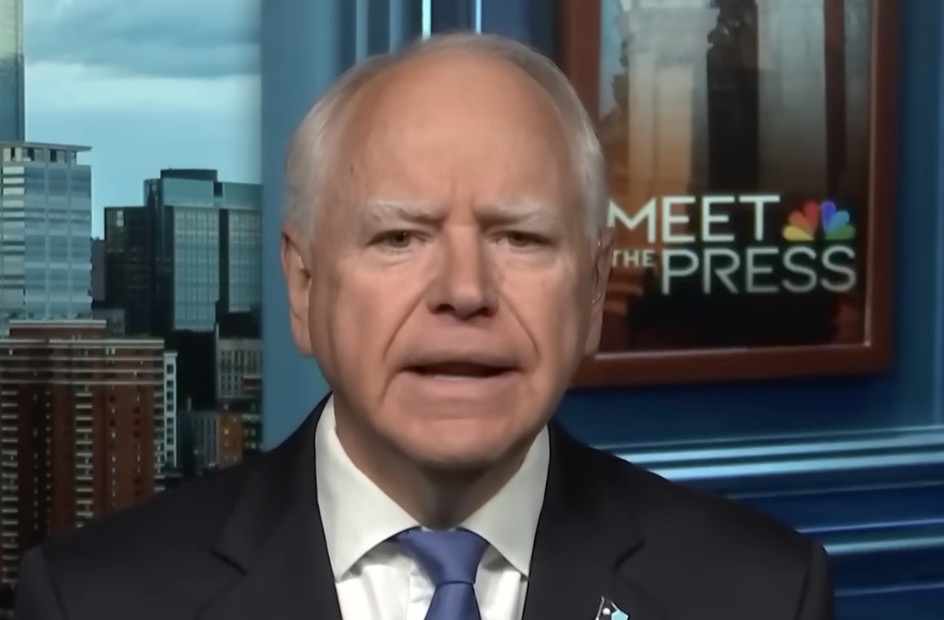
Minnesota’s paid family and medical leave law, signed by outgoing Democratic Gov. Tim Walz, is already creating significant strain on public services as large numbers of employees take advantage of the benefit. Nearly one in four Minneapolis city workers has used the program in the 11 months since it took effect.
The law allows workers up to 12 weeks of partial paid leave each year to care for a newborn or sick family member, plus another 12 weeks to recover from their own serious illness. Absences are putting particular pressure on the agency that handles emergency 911 calls in the city.
In an October budget presentation to the Minneapolis City Council, Emergency Communications Center Assistant Director Leticia Cardenas reported that 41 percent of her 911 staff were out on the new leave program. Remaining operators have been forced to work heavy overtime to keep the center staffed around the clock.
The staffing shortage is contributing to a proposed $1.5 million budget increase for the department. Councilmember Linea Palmisano asked whether new hires can take the paid leave immediately upon starting and then quit once it ends.
Cardenas confirmed both are allowed under the current rules. “Upon hire with the city, PFMLA can be utilized by any city employee. And then if they decided they wanted to quit working, they can choose to do that,” she said.
The exchange quickly circulated online and drew sharp criticism from Republican lawmakers. Rep. Tom Emmer called the situation “the definition of waste and abuse” and said Minnesota needs accountability rather than more freebies on taxpayers’ dime.
State Sen. Michael Holmstrom said the program is working exactly as designed. Policy analysts who opposed the law from the beginning say the high usage rates were predictable.
Bill Glahn of the Center of the American Experiment told Fox News Digital that people respond to incentives as written. He warned that the next step will be tax increases first to fund the benefit and then to hire replacement workers.
Business groups and Republican senators raised similar concerns months after the law took effect. Walz’s office and the state Department of Employment and Economic Development were asked for comment.
The program was one of the signature achievements of the Democratic-controlled legislature during Walz’s tenure. High usage among city employees is now fueling local outrage as the governor prepares to leave office.
911 center staffing has become the most visible example of the strain. Other departments are also reporting elevated absence rates under the new rules.
Critics argue the design allows for potential abuse that was not fully anticipated by supporters. Defenders maintain the leave provides necessary support for workers facing family and medical needs.
The budget impact is already being felt in overtime costs and proposed increases. Local officials continue to adjust staffing plans around the elevated leave rates.
Walz’s departure from the governor’s office comes as the practical effects of the law become clearer in Minneapolis. The debate over its long-term sustainability is intensifying.
Public safety agencies face the most immediate operational challenges. Broader state and local governments are watching the Minneapolis experience closely.
Join the Conversation
Keep Reading


Fox Host Charles Payne Reveals Details of Personal Tragedy

How Trump Spends Each Thanksgiving

Judge Issues Major Ruling on ABC News

Judge Deals Major Blow to Democrats



Elon Musk Gets Historic Approval

Legendary ’80s Rock Star Dead

Share your perspective and reply to other readers.
Free account required. You will stay on this page.